



What Exactly Are Sabja Seeds?
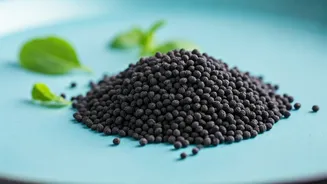
First, let's clear up the confusion: sabja seeds are not chia seeds. While they look similar in their dry, black, teardrop form and both create a gelatinous coating when soaked, they come from completely different plants. Sabja seeds, also known as sweet
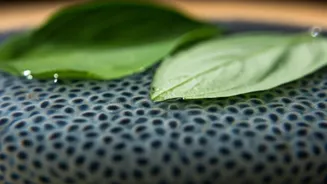
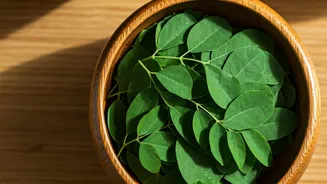
basil seeds or tukmaria, are harvested from the sweet basil plant, *Ocimum basilicum*—yes, the same herb family you use for pesto. Chia seeds come from the *Salvia hispanica* plant. When you add sabja seeds to liquid, they swell up almost instantly, much faster than chia seeds. They develop a translucent, gelatinous bubble around a crunchy black center, creating a texture reminiscent of tapioca pearls but much smaller. This unique texture makes them a popular ingredient in drinks and desserts across South and Southeast Asia, where they've been used for centuries.
The 'Cooling' Sensation Explained
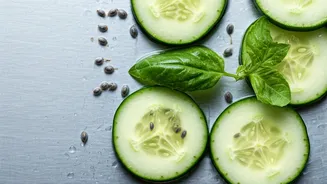
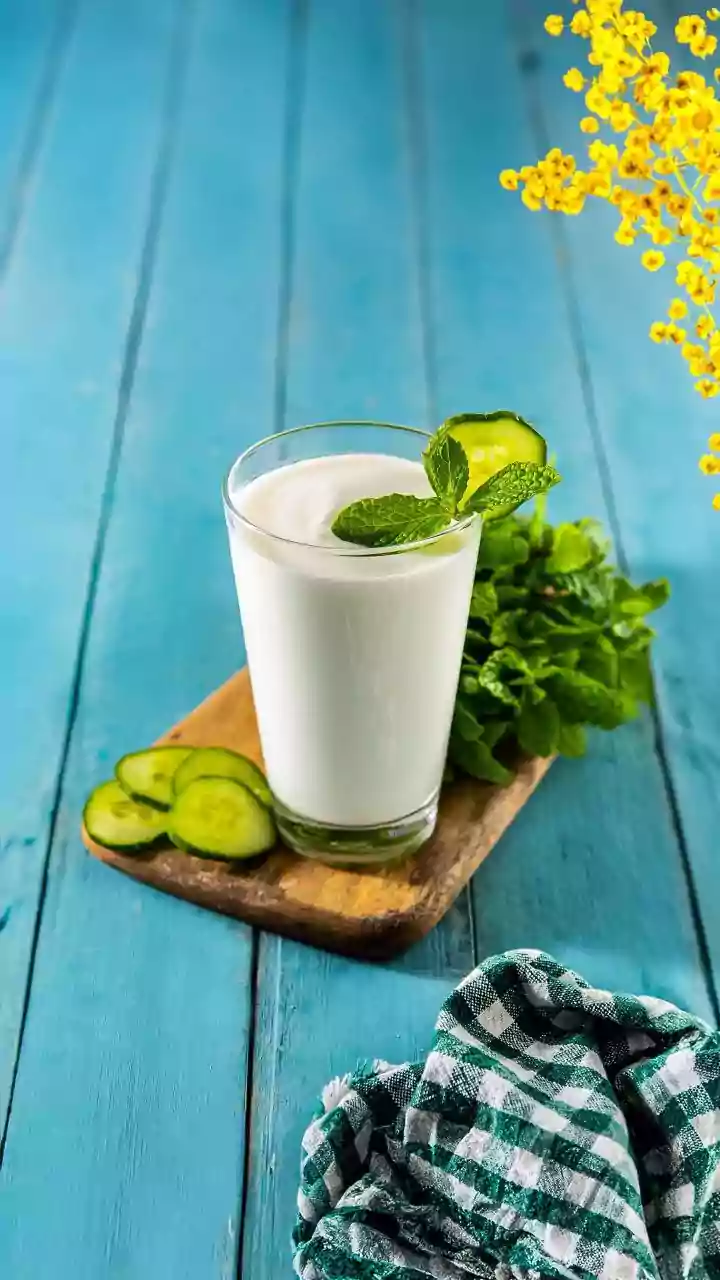
The headline's claim to fame for sabja seeds is their “cooling” property. This isn’t about a minty flavor or a literal drop in temperature. The concept comes from Ayurvedic medicine, an ancient system of wellness from India. In Ayurveda, foods are classified by their energetic effect on the body—some are “heating” (like ginger and peppers), and others are “cooling” (like cucumber and coconut). Sabja seeds are considered a potent cooling agent. For this reason, they are traditionally consumed in hot climates to help combat body heat and dehydration. You’ll find them stirred into refreshing drinks like lemonade, rose-flavored milk (falooda), or water with a bit of sugar and lemon. The idea is that they help soothe the system from the inside out, making them a go-to addition during sweltering summer months. As more Americans explore global wellness traditions, this ancient practice is finding a new and appreciative audience.
A Nutritional Powerhouse in a Tiny Package
Beyond their cooling reputation, sabja seeds pack a significant nutritional punch. Their most celebrated benefit is their high fiber content. When soaked, the gelatinous layer that forms is rich in soluble fiber, which can aid in digestion, promote a feeling of fullness, and support gut health. This high-fiber quality has made them popular among those looking to manage appetite or improve regularity. They are also a good plant-based source of minerals, including iron, calcium, and magnesium, which are crucial for energy production, bone health, and muscle function. Furthermore, sabja seeds contain plant compounds like flavonoids and polyphenols, which act as antioxidants. While not a magic bullet, incorporating them into a balanced diet is an easy way to boost your fiber and mineral intake without adding significant calories.
How to Use Them at Home
Getting started with sabja seeds is incredibly simple. Unlike some health ingredients that require complex preparation, sabja seeds just need water. To “bloom” them, simply stir one to two teaspoons of the seeds into a cup of warm water and let them sit for about 15 minutes. They will swell up into their signature gel-coated state, ready to use. Once bloomed, their mild flavor makes them a versatile addition to a wide range of foods and drinks. Try stirring them into: - **Beverages:** Add a spoonful to iced tea, lemonade, coconut water, or just plain water for a textural boost. - **Smoothies:** Blend them in for extra fiber and a thicker consistency. - **Yogurt and Oatmeal:** Mix them into your morning yogurt bowl or oatmeal for added substance. - **Desserts:** Use them to make a simple pudding, similar to chia pudding, by soaking them in milk or a plant-based alternative with a touch of sweetener and vanilla.