


The Allure of an Icy Shortcut
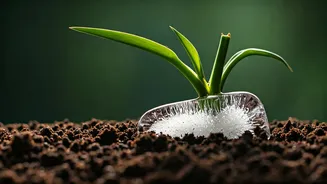
If you spend any time in online plant communities, you’ve seen it: a few ice cubes nestled neatly on the soil of a fiddle-leaf fig or pothos. The logic seems impeccable. As the ice melts, it releases water slowly, allowing the soil to absorb it gradually.
This prevents the dreaded 'oops' moment of dumping a whole cup of water and watching it flood out the bottom, taking soil with it. For people who travel or are chronic over-waterers, it feels like a foolproof system to keep their green friends hydrated without drowning them. The method gained massive popularity, even being promoted by some floral companies, particularly for orchids. It’s clean, it’s controlled, and it looks like a brilliant life hack. But what the plant feels is a different story.
The Cold, Hard Truth About Roots
The problem with the ice cube hack lies in a simple fact: most popular houseplants are tropical. Think about where your monstera, calathea, or philodendron comes from—the warm, humid understory of a rainforest. These plants are not genetically equipped to handle a sudden, intense blast of cold delivered directly to their root systems. When an ice cube melts, it releases water that is just above freezing temperature (32°F or 0°C). This can send the roots into a state of shock, constricting them and temporarily hindering their ability to absorb water and nutrients. It’s like being woken up by a bucket of ice water—startling, stressful, and not conducive to healthy functioning. Over time, this repeated cold shock can lead to root damage, yellowing leaves, and a general failure to thrive. It’s the botanical equivalent of putting your engine through extreme temperature swings every time you start it.
Uneven Hydration and Weakened Stems
Beyond the temperature shock, the ice cube method creates another problem: poor water distribution. The water melts and seeps into the soil in one concentrated spot. This means only a small portion of the root ball gets hydrated, while the rest of the soil remains bone dry. Healthy root systems need to be encouraged to grow throughout the entire pot. When water is only available in one area, roots may either rot in that oversaturated spot or die of thirst elsewhere. This uneven moisture creates a weak and inefficient root system, which in turn leads to a weaker plant. So where do the 'broken stems' come in? While an ice cube won't instantly snap a stem, a plant under constant stress from cold shock and inadequate watering is a weak plant. Its stems can become brittle, its leaves may droop or yellow, and it becomes more susceptible to pests and diseases. The 'free hydration' ultimately weakens the plant's entire structure, making it less resilient.
What About Orchids?
Orchid growers are often the most vocal proponents of the ice cube method. It's true that some studies, often funded by companies that sell orchids, have suggested it’s an effective method for the common Phalaenopsis (moth orchid). The logic is that it mimics a slow, gentle rain. However, many master gardeners and orchid societies disagree, pointing out that orchids, too, are tropical. They argue that while it may not kill the plant outright, it’s far from optimal. The cold can still shock the sensitive aerial roots packed into the potting medium. A better, expert-approved method is to take the orchid to the sink and give it a thorough watering with lukewarm water, allowing it to drain completely. This flushes out salts from the potting medium and hydrates all the roots evenly, which is something a few ice cubes simply cannot do.
Better Ways to Water Your Plants
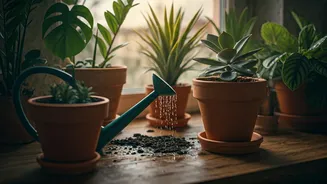
Ditching the ice cubes doesn't mean you have to go back to messy floods. The key is to water thoroughly but less frequently. First, always use room-temperature water. Let tap water sit out for a few hours to allow chlorine to dissipate and the temperature to normalize. Second, learn the 'finger test': stick your finger one to two inches into the soil. If it’s dry, it’s time to water. For a more thorough drench without the mess, try 'bottom watering.' Place your plant (in its nursery pot with drainage holes) in a sink or tub with a few inches of water. Let it soak up moisture from the bottom for 15-30 minutes, until the top of the soil is damp. This encourages deep root growth and ensures even saturation. If you prefer top watering, use a watering can with a long, thin spout to direct water to the soil, not the leaves, and pour slowly until water runs out the bottom.