




The Symphony of the Monsoon
Nestled in the Khasi Hills of India’s northeastern state of Meghalaya—a name that translates to “the abode of clouds”—Cherrapunji is a place where rain is not an event, but the atmosphere itself. For decades, it held the title of the wettest place on
Earth. While the nearby village of Mawsynram now often claims the official record, Cherrapunji remains the spiritual home of the monsoon. Visiting during the peak rainy season (from June to September) is a full-sensory immersion. It’s the constant, meditative drumming on tin roofs, the sweet scent of petrichor rising from the soil, and the sight of low-slung clouds drifting through valleys like phantom rivers. This isn’t the kind of rain that ruins a vacation; it’s the reason for one.
Walking on Living Bridges
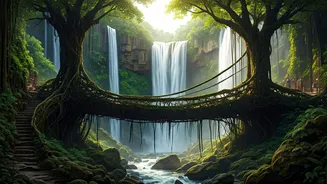
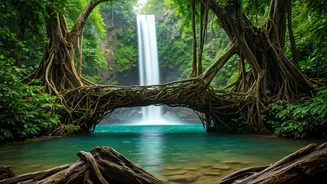
The perpetual moisture has shaped not just the landscape but also human ingenuity. Cherrapunji is famed for its living root bridges, a breathtaking example of bio-engineering created by the indigenous Khasi people. For centuries, they have guided the aerial roots of rubber fig trees across rivers and ravines, weaving them together until they form sturdy, living structures. To walk across one is to step into a fantasy novel. The most famous is the “double-decker” bridge in Nongriat village, a two-tiered wonder that feels both ancient and alive. The trek to these bridges is a journey in itself, a descent down thousands of stone steps through a jungle canopy humming with life, every leaf glistening with water.
A World of Waterfalls
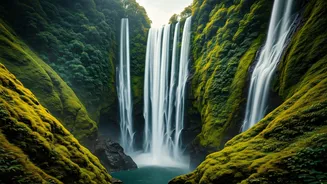
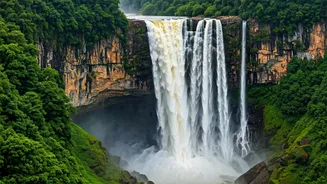
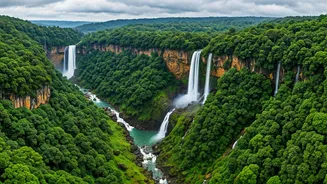
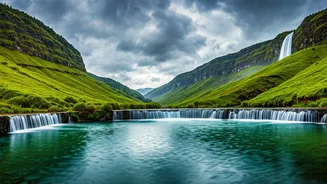
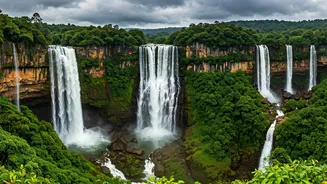
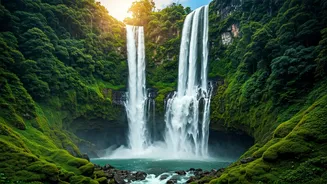
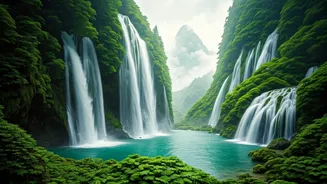
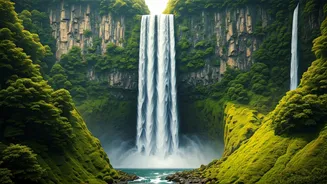
When it rains this much, the earth can’t hold all the water. The result is a landscape overflowing with some of India’s most dramatic waterfalls. During the monsoon, the cliffs and gorges around Cherrapunji come alive with cascades. Nohkalikai Falls, the tallest plunge waterfall in the country, is a stunning sight, dropping over 1,100 feet from a verdant plateau into a turquoise pool below. Its local legend is tragic, but its beauty is undeniable, especially when wreathed in mist. Nearby, the Seven Sisters Falls (Nohsngithiang Falls) presents a wide curtain of water tumbling over limestone cliffs, a powerful spectacle best viewed after a heavy downpour.
Beyond the Downpour
While rain defines the experience, Cherrapunji offers more than just a wet-weather wonderland. On the rare days the clouds part, the views across the plains of Bangladesh are staggering. The region is also home to extensive cave systems. Mawsmai Cave is the most accessible, a well-lit network of stalactites and stalagmites that provides a fascinating glimpse into the limestone geology of the area. Exploring the local culture provides another layer of richness. The Khasi society is traditionally matrilineal, a unique cultural trait where lineage and inheritance are traced through women. Engaging with the local communities, tasting the distinct cuisine, and understanding their harmony with the extreme climate is as rewarding as the natural scenery.
Planning Your Monsoon Pilgrimage
Traveling to Cherrapunji requires preparation. For true rain lovers, the monsoon months are non-negotiable, but be prepared for travel disruptions and landslides. Pack waterproof everything: jackets, pants, shoes, and bags for your electronics. For those who prefer stunning vistas over constant downpours, the post-monsoon period from October to February offers clearer skies, pleasant weather, and a still-lush landscape. The nearest major airport is in Guwahati, Assam, about a five-hour drive away. Staying in a local guesthouse or homestay offers the most authentic experience, allowing you to wake up to the sound of rain and a breakfast of hot tea and Khasi specialties.