






1. Simplify Your Cleansing Routine
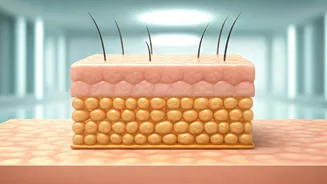
The first rule of barrier care is to stop stripping it. Harsh, foamy cleansers that leave your skin feeling “squeaky clean” are often the biggest culprits. That tight feeling is a sign that you’ve washed away your skin’s natural protective oils (lipids).
Instead, opt for a gentle, pH-balanced, and hydrating cleanser. Cream, milk, or gel-based formulas are excellent choices. Wash with lukewarm water, as hot water can also strip natural oils and cause irritation. The goal is to remove dirt, makeup, and sunscreen without compromising the integrity of your skin’s outermost layer. Think of it less as a deep scrub and more as a gentle refresh, morning and night.
2. Master the Art of Moisturizing
If cleansing is about what you take away, moisturizing is about what you give back. A healthy skin barrier is rich in lipids like ceramides, cholesterol, and fatty acids. When these are depleted, the barrier becomes compromised, leading to dryness, irritation, and sensitivity. Look for moisturizers formulated with these key ingredients. Ceramides are particularly effective, as they are a major component of the skin barrier itself and help “fill in the cracks” between skin cells. Apply your moisturizer to damp skin immediately after cleansing to lock in hydration. This simple step creates an occlusive seal, preventing transepidermal water loss—the technical term for water evaporating from your skin's surface.
3. Re-think Your Exfoliation Habits
Exfoliation can be a great tool for achieving a bright, smooth complexion, but overdoing it is one of the fastest ways to damage your skin barrier. Aggressive physical scrubs with large, jagged particles can create micro-tears in the skin, while overusing powerful chemical exfoliants like AHAs (glycolic acid) and BHAs (salicylic acid) can dissolve the essential lipids holding your barrier together. If your skin feels red, sensitive, or raw, it’s a clear sign to pull back. Reduce exfoliation to one to three times a week, maximum. Consider switching to a gentler acid, like lactic acid or mandelic acid, or a PHA (polyhydroxy acid), which has a larger molecule size and doesn’t penetrate as deeply, making it less irritating.
4. Make Sunscreen a Daily Non-Negotiable
You can follow every other tip perfectly, but if you skip sunscreen, your barrier will remain under constant threat. Ultraviolet (UV) radiation from the sun is a primary source of inflammation and free radical damage, which directly degrades the skin barrier. It breaks down collagen, compromises cellular function, and impairs your skin’s ability to hold onto moisture. For true longevity, daily sunscreen is the single most important step. Use a broad-spectrum formula with an SPF of 30 or higher every single morning, rain or shine, even if you’re staying indoors near a window. It’s the ultimate investment in your skin’s long-term health, preventing not just barrier damage but also premature aging and skin cancer.
5. Focus on a Minimalist, Consistent Approach
The secret to a longevity routine is consistency, not complexity. You don't need a dozen serums and essences. In fact, layering too many active ingredients (like vitamin C, retinoids, and acids) can overwhelm and irritate your skin, further weakening the barrier. Adopt a simple, predictable routine: a gentle cleanser, a barrier-supporting moisturizer, and a daily sunscreen. This creates a stable, healthy foundation. Once your barrier is robust and healthy, you can consider slowly introducing one active ingredient at a time to address specific concerns like fine lines or hyperpigmentation. The “less is more” philosophy is the core of barrier protection and the easiest path to sustained skin health.