




The Shared Mindset of Conscious Consumption
The foundation of this intersection isn't a specific product, but a shared philosophy. Both sustainable pet care and urban agriculture stem from a desire to be more conscious consumers. The person meticulously checking the protein source in their cat’s
food is driven by the same impulse as the person growing organic kale on their balcony: a rejection of opaque, industrial supply chains. They're asking the same fundamental questions: Where does this come from? What’s really in it? What is its environmental cost? This mindset shifts the focus from passive consumption to active, informed participation. Whether it’s for a beagle or a basil plant, the goal is to provide the best possible care while minimizing harm to the planet, creating a household ethos centered on quality, transparency, and responsibility.
Closing the Waste Loop
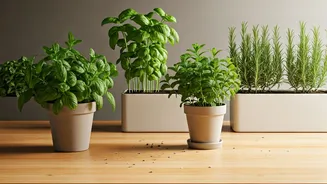
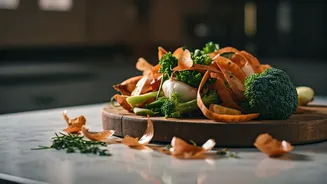
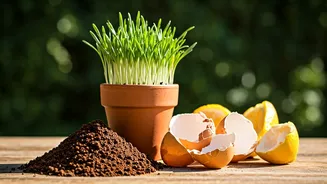
The most tangible link between a city pet and a city garden is waste. The traditional model is linear and wasteful: buy pet food in single-use packaging, feed the pet, and throw the waste in a plastic bag destined for a landfill. The sustainable model, inspired by agricultural principles, aims for a circular system. This starts with packaging. Eco-conscious pet owners now seek brands with recyclable or compostable bags, mirroring the zero-waste gardener’s preference for reusable pots and tools. More profoundly, it involves food waste. Scraps from making homemade, human-grade pet food—like vegetable peels or organ meat trimmings—can be composted. This compost, rich in nutrients, can then be used to fertilize the very herbs and vegetables growing in an urban garden. While composting pet feces is complex and requires specialized, high-heat systems to be safe, managing food and packaging waste creates a powerful, closed-loop system within a single apartment.
The Quest for Better Ingredients
The “farm-to-table” movement, which champions local and organic ingredients for humans, has a direct parallel in the pet food industry. Premium pet foods now boast about “human-grade” chicken, wild-caught salmon, and organic vegetables. Urban agriculture provides a powerful model for this. When you grow your own food, you have absolute control over pesticides, fertilizers, and freshness. This experience creates a new standard of quality that bleeds into other purchasing decisions. An urban gardener who sees the difference between a homegrown organic tomato and a store-bought one is more likely to question the vague “meat by-products” listed on a pet food label. This leads to support for pet food companies that prioritize sustainable agriculture, such as those using insect protein (a hyper-efficient food source) or sourcing from regenerative farms, creating a direct economic link between your pet’s bowl and the future of food.
Creating a Healthier Home Ecosystem
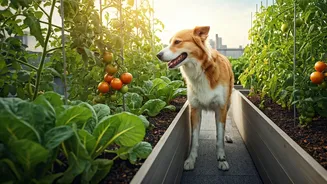
Ultimately, this convergence is about creating a single, healthy micro-ecosystem within the home. A commitment to organic gardening means eliminating synthetic pesticides and herbicides from your living space. This directly benefits pets, who are often more vulnerable to chemical exposure due to their size and habits (like licking paws or rolling on floors). A non-toxic home is safer for every living being in it. This holistic approach extends to other products. The person who uses neem oil on their plants instead of a chemical spray is also more likely to choose a plant-based, biodegradable pet shampoo or a toy made from natural, non-toxic materials. It's a unified approach where the health of the soil, the plant, the pet, and the person are all seen as interconnected parts of a whole.