

The Immediate Contamination Risk
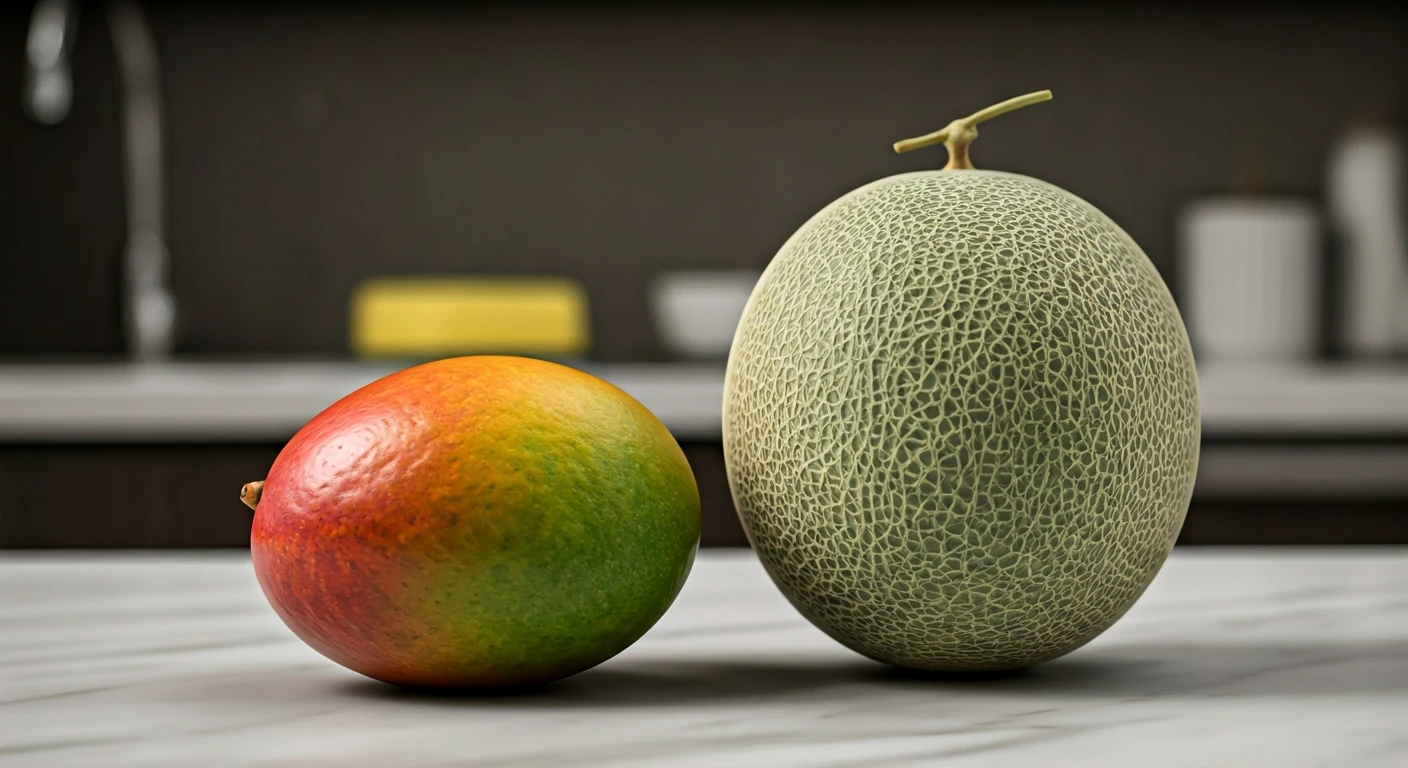
The most urgent reason for the new wave of caution is a series of foodborne illness outbreaks linked directly to pre-cut fruits. In late 2023, a widespread salmonella outbreak tied to pre-cut cantaloupe sickened hundreds of people across dozens of states,
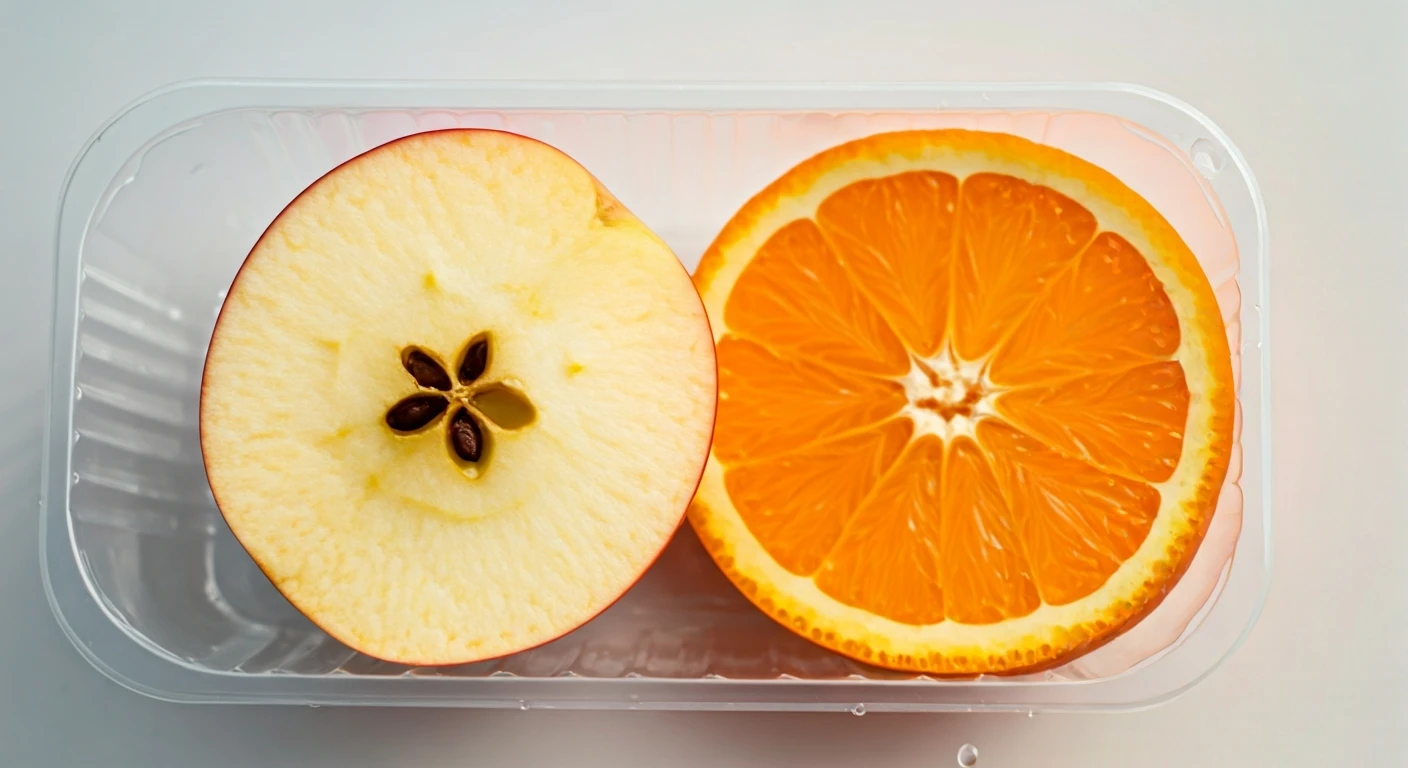
leading to hospitalizations and extensive recalls of products sold at major national grocery chains. This wasn't an isolated incident. Listeria, E. coli, and Salmonella have all been previously linked to packaged produce. The problem starts with processing. A fruit's rind or peel is its natural armor. Once that barrier is breached by a knife, any pathogens on the fruit's exterior, the cutting surface, or in the processing water can be transferred to the flesh. The fruit is then packaged into a sealed container, which can create a humid, low-oxygen environment where bacteria like salmonella and listeria can thrive, especially if the product isn’t kept consistently cold.
The Nutritional Trade-Off
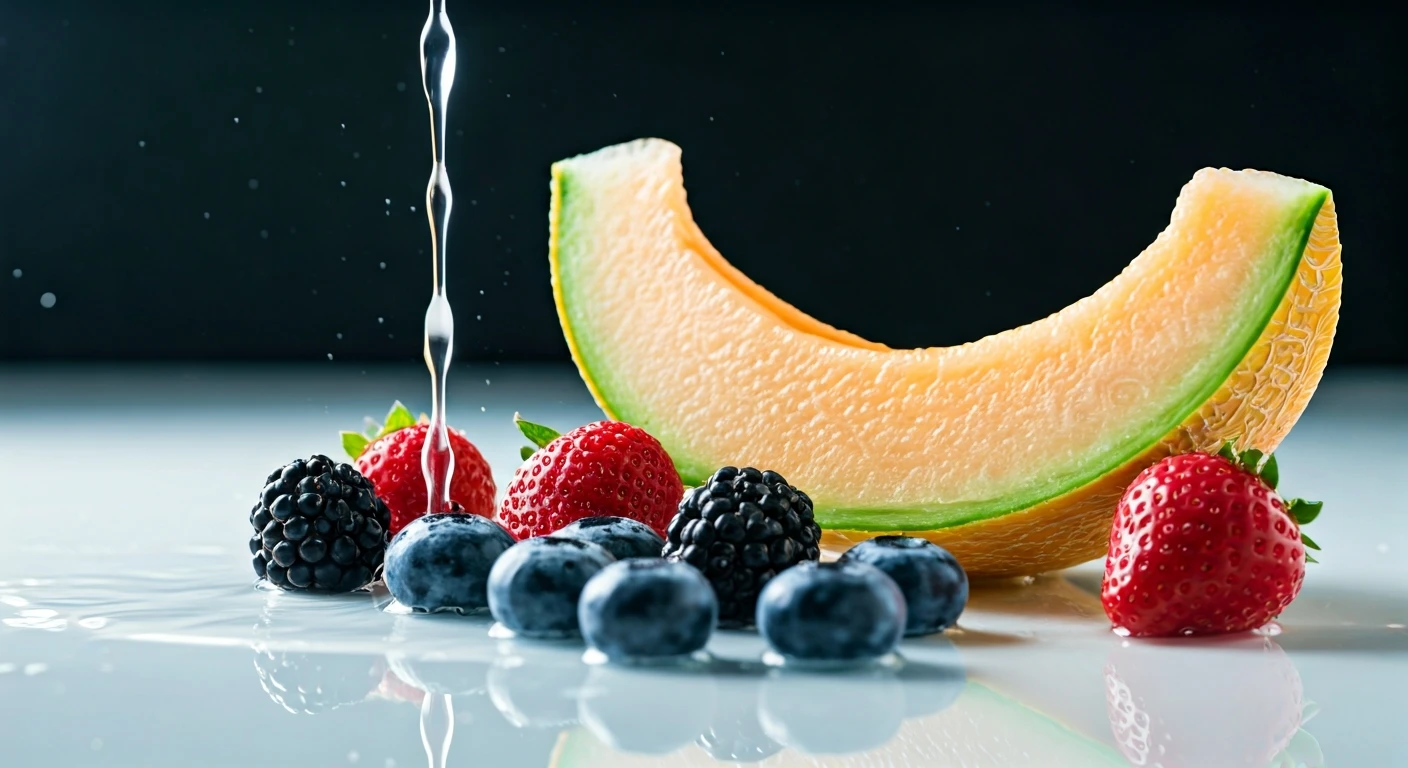
Beyond the risk of pathogens, you're also getting less nutritional bang for your buck. Fruits begin to lose nutrients the moment they are cut. Light, heat, and oxygen are the enemies of delicate vitamins. Vitamin C, a powerful antioxidant found in abundance in many fruits like strawberries, oranges, and melons, is notoriously unstable. Studies have shown that Vitamin C levels can drop significantly within just a few days of being cut and stored, even under refrigeration. While pre-cut fruit is certainly better than no fruit at all, you are paying for a product that is past its nutritional peak. The pineapple that was cut a week ago in a distant facility and shipped to your store simply won't have the same vibrant nutrient profile as one you slice at home just before eating.
The High Cost of Convenience
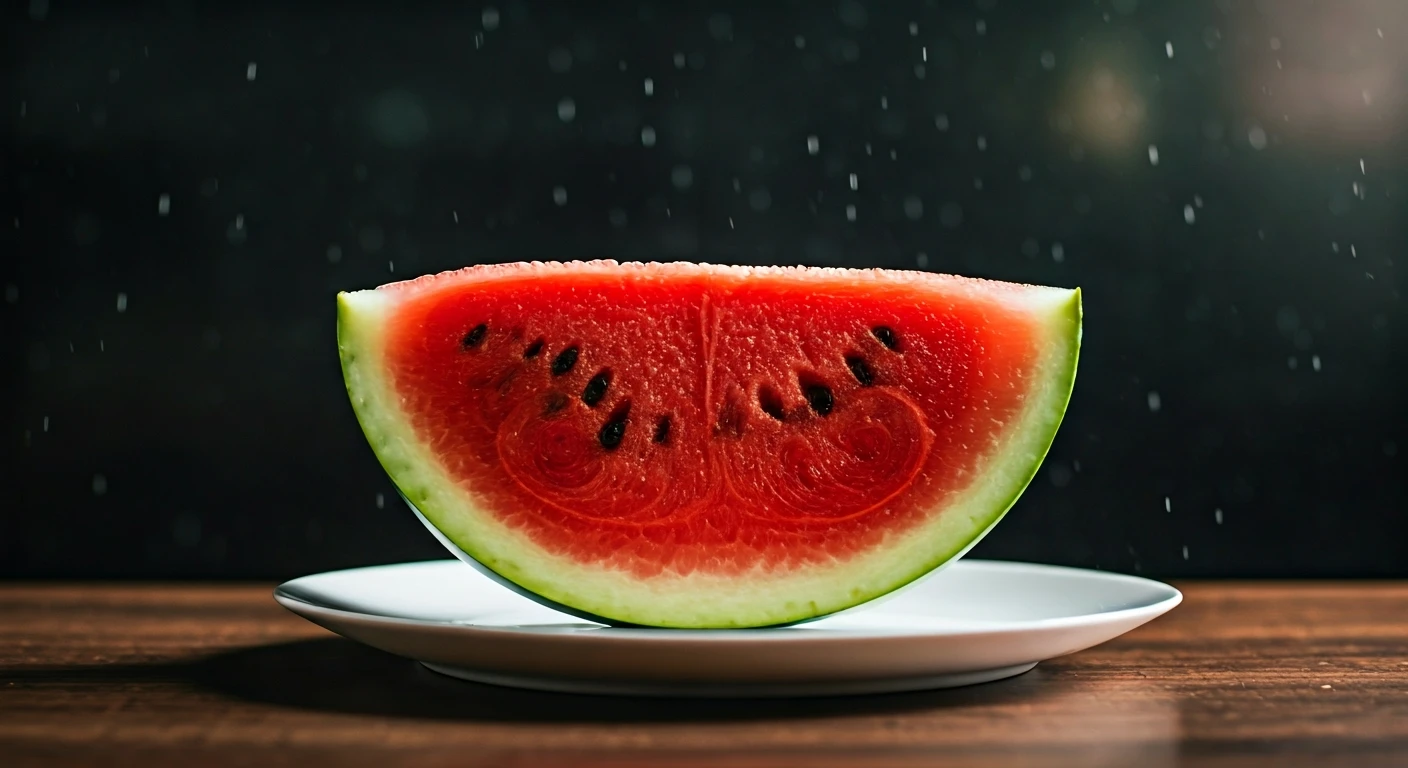
The convenience of pre-cut fruit comes at a steep financial premium. Take a walk through any grocery store and compare the price per pound. A container of pre-cut watermelon cubes can cost two to three times more than buying a small, whole watermelon. The same markup applies to pineapple, mangoes, and mixed fruit medleys. You're not just paying for the fruit; you're paying for the labor, the packaging, the refrigerated transportation, and the risk of spoilage that the store assumes. Over time, this convenience tax adds up. For a family that regularly consumes fruit, switching from pre-cut containers to whole fruits can lead to significant savings on the weekly grocery bill. That extra money could buy even more fresh produce, giving you more nutrition and less risk for the same cost.
Smarter, Safer Snacking Strategies
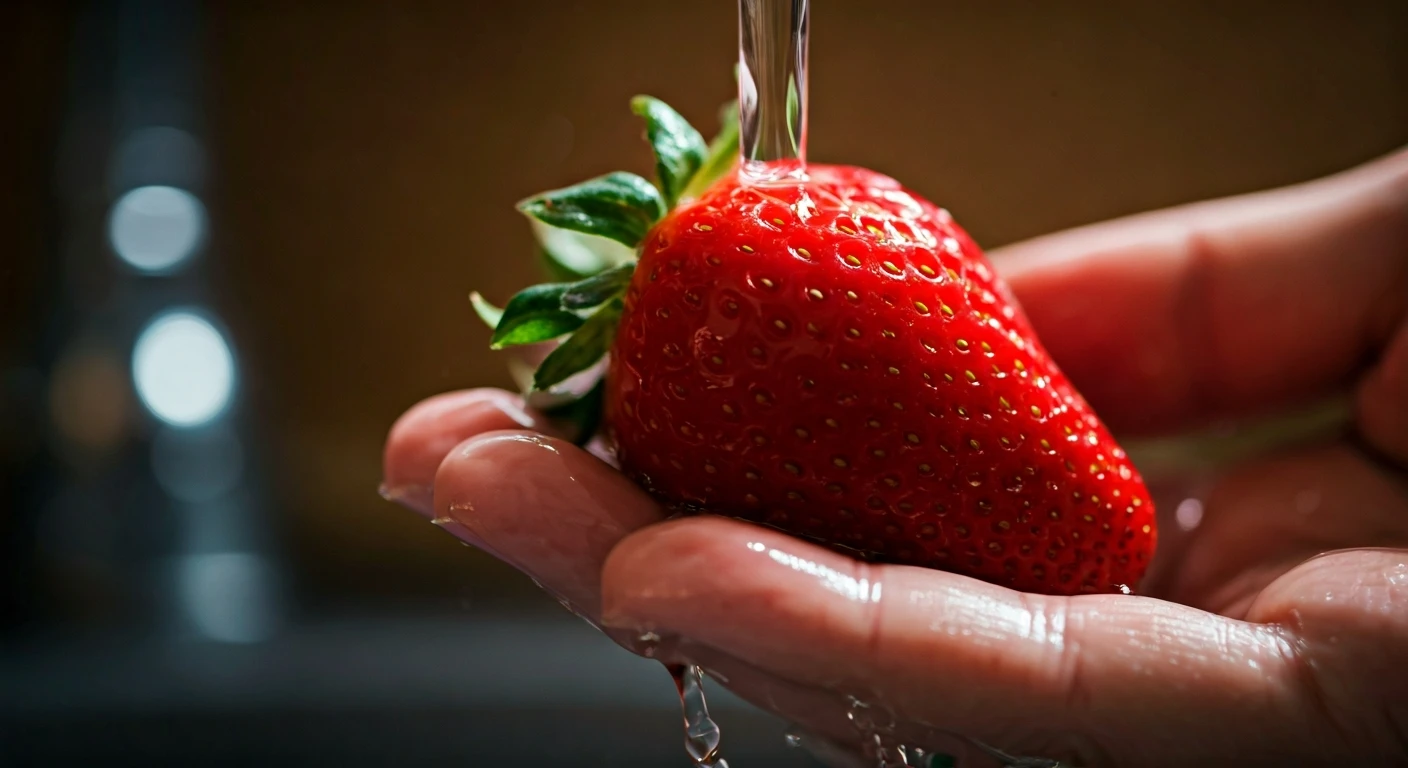
Avoiding the risks doesn't mean giving up on fruit. The safest, most nutritious, and most affordable option is to buy whole fruits and prepare them yourself. Wash the exterior of all fruits thoroughly with cool running water before you cut into them—yes, even melons, pineapples, and avocados. This prevents any bacteria on the rind from being transferred by your knife to the flesh inside. To replicate the convenience, create your own “grab-and-go” containers. Spend 15 minutes on a Sunday evening washing and chopping fruit for the next few days. Store it in airtight glass containers in the coldest part of your refrigerator. You’ll have the same easy access as the store-bought version but with more money in your wallet and greater peace of mind. If you absolutely must buy pre-cut, look for containers that are well-chilled in the store, have a recent processing date, and show no signs of sogginess or discoloration. Stick to trusted brands and be vigilant about recall notices from the FDA and CDC.