


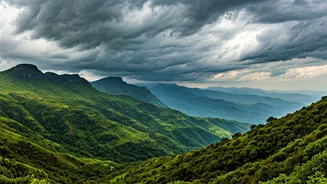


Coorg, Karnataka: The Scotland of India
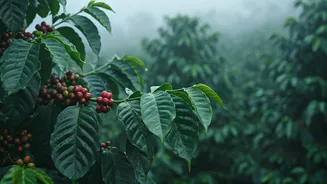
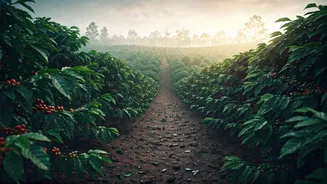
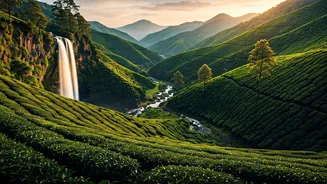
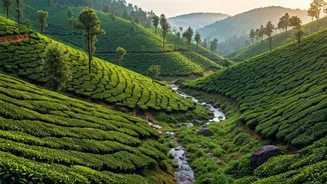
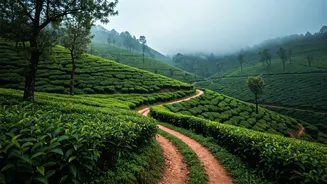
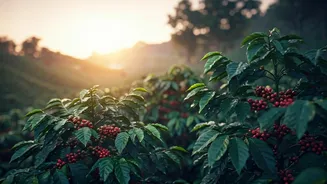
Often called the “Coffee Cup of India,” Coorg (or Kodagu) is the country's largest coffee-producing region, and its landscape is a breathtaking tapestry of emerald hills veiled in mist. The air here is thick with the scent of coffee, pepper, and cardamom.
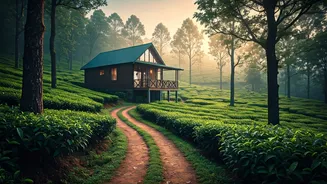
This is the quintessential coffee plantation experience, where colonial-era bungalows and luxury resorts are tucked away within vast estates. Visitors can embark on guided “bean-to-cup” tours, learning how the prized Arabica and Robusta beans are grown, harvested, and processed. The experience isn't just educational; it's deeply immersive. You can spend your days trekking through the plantations, bird watching, and your evenings sipping freshly brewed coffee by a fireplace. For Americans accustomed to urban coffee culture, the sheer scale and tranquility of Coorg’s coffee-scented world is a revelation.
Chikmagalur, Karnataka: The Birthplace of Indian Coffee
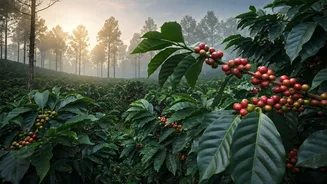
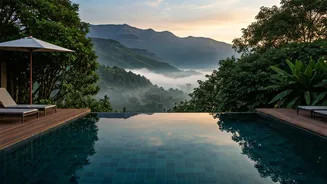
For the history buffs and coffee purists, Chikmagalur is a pilgrimage site. Legend has it that in the 17th century, a Sufi saint named Baba Budan smuggled seven coffee beans from Yemen and planted them on the hills here, giving birth to India's coffee industry. Today, the Baba Budan Giri mountain range is a lush paradise for trekkers and coffee lovers alike. Compared to the more commercialized Coorg, Chikmagalur offers a slightly more rustic and raw experience. The getaways here range from sprawling luxury resorts with private pools to charming, family-run homestays where you can share a meal with the plantation owners. The highlight is a drive through the winding ghat roads, with endless coffee estates stretching out on either side, their silver oaks providing shade for the precious plants below. It feels like stepping back in time to the very origins of your morning cup.
Wayanad, Kerala: Coffee, Spices, and Untamed Nature
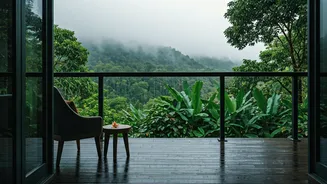
Cross the border from Karnataka into Kerala, and you'll find Wayanad, a region where coffee plantations blend seamlessly with spice gardens, dense forests, and cascading waterfalls. Wayanad’s vibe is distinctly wilder, part of the Nilgiri Biosphere Reserve. While it produces a significant amount of Robusta coffee, the experience here is about more than just the bean. It’s about the holistic ecosystem. Stays in Wayanad often emphasize eco-tourism and sustainability. You can stay in treehouses overlooking the canopy, explore ancient caves, and learn about the symbiotic relationship between coffee, black pepper, vanilla, and cinnamon, which are often grown together. It’s a perfect destination for travelers who want their coffee fix alongside a dose of adventure and a deep connection with nature.
Yercaud, Tamil Nadu: A Hidden Gem in the Hills
While Karnataka and Kerala get most of the coffee limelight, the hill station of Yercaud in Tamil Nadu is a quieter, less-trodden alternative. Nestled in the Shevaroy Hills, Yercaud is centered around a serene lake and surrounded by coffee estates and orange groves. The coffee grown here is known for its unique citrus and floral notes, influenced by the surrounding flora. It's the ideal spot for a relaxed getaway without the crowds of more famous destinations. You can visit historic plantations like the Glen-Rock Estate, which dates back to the 1840s, and see how coffee is still processed using traditional methods. Yercaud offers a glimpse into a slower, more deliberate way of life, where the day’s rhythm is dictated by the sun and the seasons of the coffee plant. It's a peaceful retreat for those looking to unplug and savor their surroundings.
Araku Valley, Andhra Pradesh: A Unique Terroir
For a truly off-the-beaten-path experience, head east to Araku Valley. Unlike the southern coffee belt, Araku's coffee is grown by indigenous tribal communities using organic, shade-grown methods. This has created a unique microclimate and a coffee with a distinct, internationally recognized flavor profile—often with spicy or fruity notes. The journey to Araku itself is part of the adventure, involving a train ride that passes through dozens of tunnels and over spectacular bridges. The landscape is a mix of rolling hills, dense forests, and vibrant coffee farms. Visiting Araku is not just a coffee tour; it's a cultural immersion. It supports a community-led initiative that has empowered local farmers and put this remote region on the global coffee map. You'll not only taste a fantastic cup of coffee but also witness a powerful story of sustainability and social enterprise.