
Beyond the Beige Box
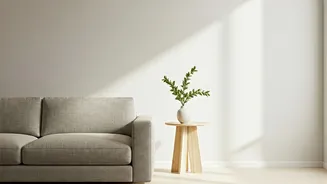
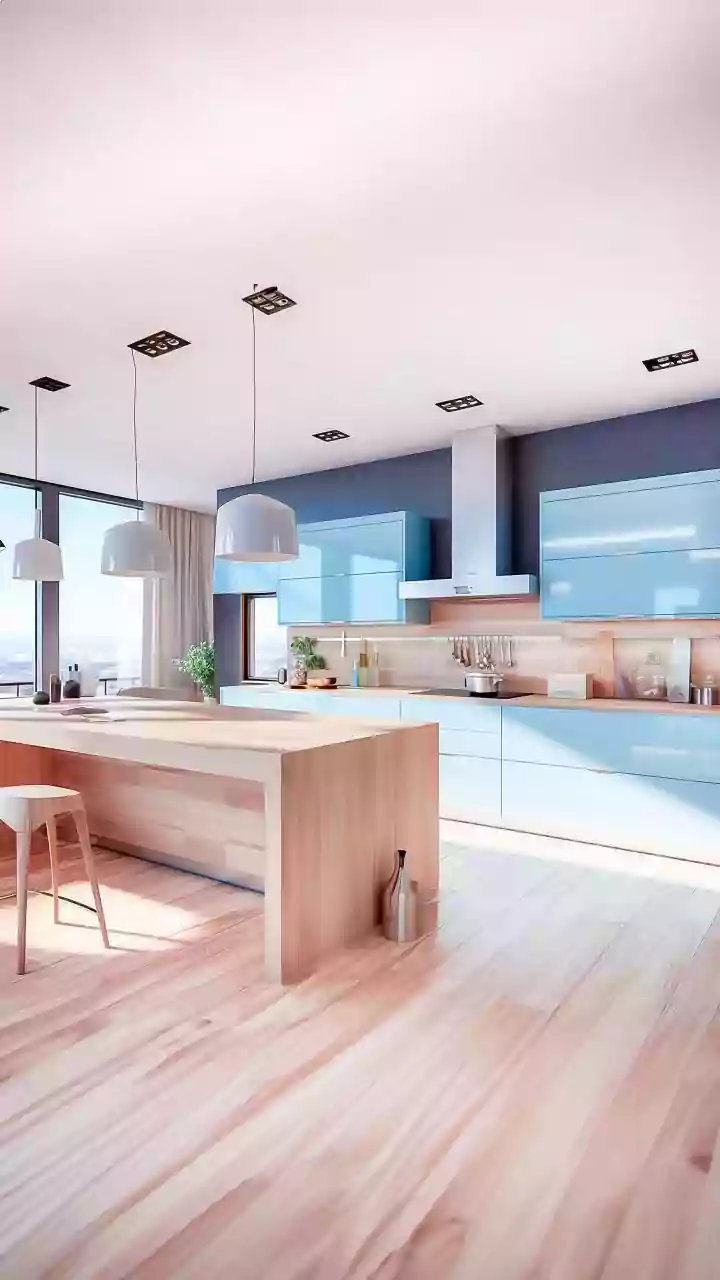
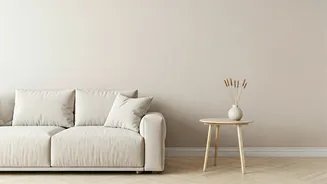
Not long ago, the pinnacle of aspirational design in India’s bustling cities often meant mimicking a sleek, Western-inflected minimalism. Think Scandinavian-inspired furniture from a flat-pack box, Italian marble, and a muted color scheme that could have
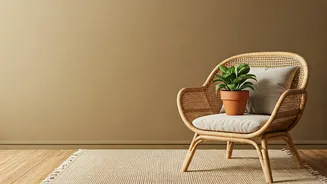
been plucked from a catalog in Milan or Manhattan. This ‘international’ style was a symbol of global connection and modernity. But for a growing number of designers and homeowners, it started to feel impersonal, a generic shell lacking a soul or a story. The identical pieces that promised sophistication began to feel, well, just identical. This realization has sparked a powerful counter-movement: a pivot from the globally sourced to the locally cherished.
Rediscovering Heritage Crafts
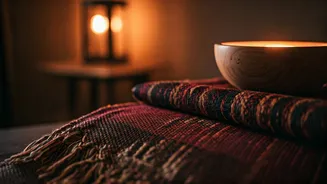
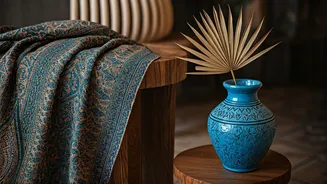
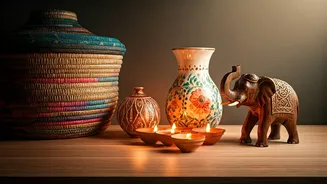
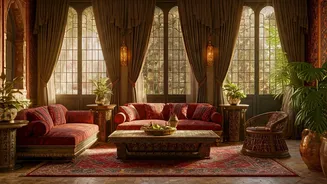
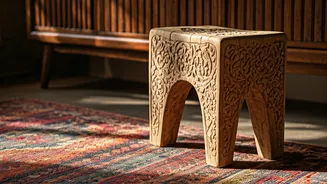
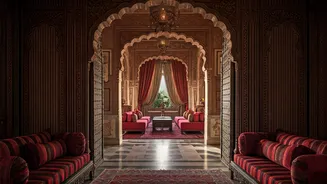
The heart of this new direction is a deep dive into India’s own treasure chest of artisanal skills. Instead of mass-produced prints, walls are now adorned with hand-painted Pichwai art from Rajasthan or intricate Kalamkari textiles from Andhra Pradesh, each telling an ancient story. Generic metal fixtures are being replaced with custom-made brass lamps hammered into shape by local smiths. You might see the shimmering, intricate glass-inlay work known as Thikri, once reserved for palaces, now creating a stunning feature wall in a contemporary apartment. This is a celebration of the ‘imperfect perfect’—the slight variations in a hand-carved wooden panel, the unique grain in a block-printed fabric, or the weaver’s signature touch in a rug. These aren’t flaws; they are proof of a human hand and a unique history.
Modernity Meets Tradition
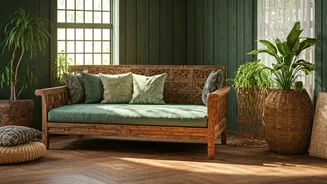
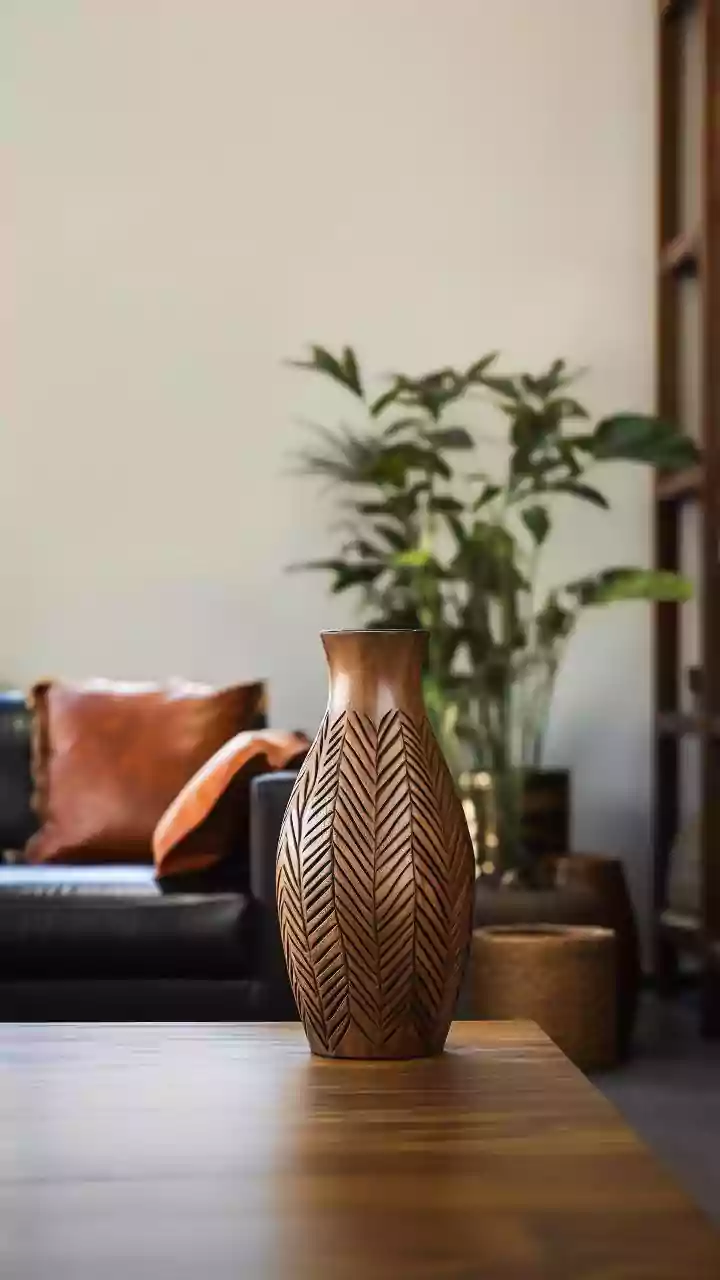
This isn't about turning homes into museums or recreating a bygone era wholesale. The most exciting part of this trend is the fusion. Designers are skillfully blending old and new, creating a language that is uniquely Indian and entirely contemporary. Imagine a minimalist living room where the main focal point is a single, ornate teak *jhoola* (a traditional swing), suspended from the ceiling. Picture a sleek, modern kitchen with a backsplash of vibrant, hand-painted tiles from a village artisan. Or a streamlined sofa upholstered in rich, handwoven silk brocade. The juxtaposition is key: the raw, tactile quality of a handmade object provides a warm counterpoint to the clean lines of modern architecture, creating spaces that feel layered, personal, and alive.
More Than Just Decor
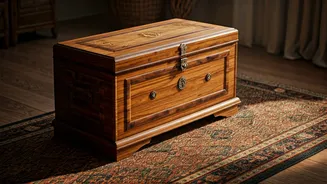
So, why is this happening now? It’s a convergence of several cultural shifts. First, there’s a renewed sense of national pride and a desire to connect with and preserve cultural heritage. Secondly, the global conversation around sustainability and conscious consumerism resonates deeply. Choosing an artisanal piece often means supporting a local craft community, using natural materials, and investing in a high-quality item that will last for generations, not just a season. Finally, in the age of Instagram, a home that tells a personal story stands out. A handcrafted cabinet isn’t just furniture; it’s a conversation starter with a narrative rooted in craft, place, and culture. This movement is less about a specific ‘look’ and more about an ethos: that a home should be a collection of things you love, that have meaning, and that reflect who you are.