

When the Welcome Mat Wears Thin
For years, the implicit promise of travel was simple: go, see, conquer. The more stamps in your passport, the more impressive your life appeared. But in popular destinations from Barcelona to Venice and Bali, that promise has curdled. Residents are no
longer rolling out the red carpet; they’re rolling out protest signs. This isn’t a rejection of visitors, but a desperate cry against 'over-tourism'—the phenomenon where a deluge of travelers degrades the local quality of life, strains infrastructure, and turns vibrant neighborhoods into hollow, transient theme parks. 'Tourist, go home' graffiti isn't just vandalism; it's a symptom of a global backlash. This growing 'anti-tourism' sentiment isn't about being anti-traveler. It's about being anti-disruption, anti-disrespect, and anti-extraction. It’s a powerful cultural force pushing conscientious people to ask: How can I travel without being part of the problem?
Enter the Slow Travel Philosophy
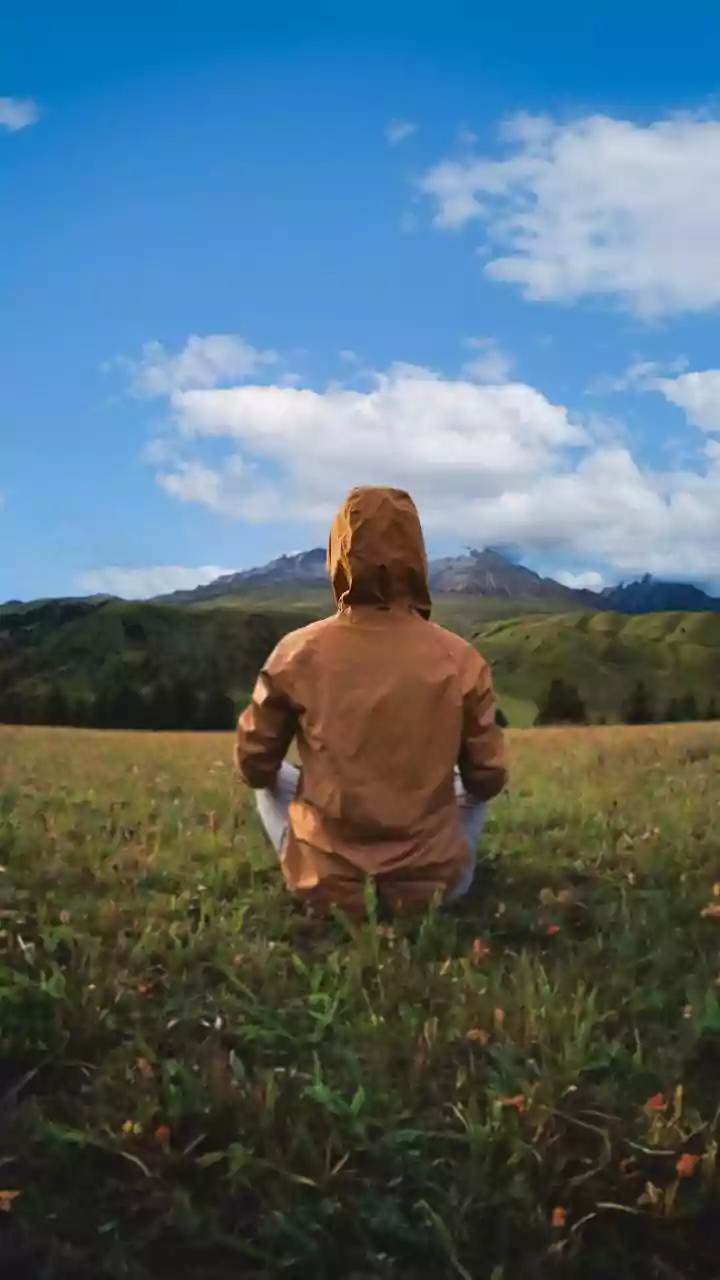
The answer, it turns out, isn’t to stop traveling, but to fundamentally change how we do it. Enter slow travel, a philosophy with roots in the Italian 'Slow Food' movement of the 1980s, which championed local, traditional cuisine against the tide of fast food. Slow travel applies the same ethos to our journeys. It’s the intentional choice to go deeper instead of wider. It means swapping a whirlwind 10-cities-in-10-days itinerary for a month spent in a single Tuscan village or a week exploring one neighborhood in Tokyo. The goal is no longer to 'do' a place by ticking off a checklist of sights from a guidebook. Instead, the goal is to connect with it. It’s about learning a few phrases of the local language, shopping at the neighborhood market, finding a favorite café, and letting serendipity, not a rigid schedule, guide your days. It's a shift from consumption to immersion.
Why Slow Is the New Status Symbol
This is where slow travel’s 'cool' factor comes into play. In an age of performative, hyper-documented living, rushing through bucket-list destinations for the perfect Instagram shot is starting to feel dated and a little desperate. Anyone with a credit card can book a flight to Paris and take a picture in front of the Eiffel Tower. But knowing the name of the baker in a small Parisian arrondissement? That suggests a different level of engagement and sophistication. The new currency of cool isn’t about where you went, but *how* you went. It’s about having stories that can’t be Googled—the unexpected dinner invitation, the afternoon spent talking with a local artist, the discovery of a hidden trail. This approach signals a rejection of the frantic pace of modern life. It says you have the confidence and time to be present, to absorb, and to understand. It’s a quiet rebellion against the attention economy, and that makes it an aspirational status symbol for a post-burnout generation.
Putting the Philosophy into Practice
Embracing slow travel doesn't require quitting your job to roam the earth for a year. It's a mindset that can be applied to any trip, even a weekend getaway. Start by picking one place and committing to it. Rent an apartment instead of a hotel to get a feel for residential life. Take public transportation—the bus or the train—to see the landscape unfold at a human pace. Pack less and leave room in your schedule for doing nothing at all, which is often when the most memorable moments happen. The key is to trade the fear of missing out (FOMO) for the joy of missing out. By choosing not to see 'everything,' you give yourself the permission to truly experience something.