

The Antidote to the Instagram Look
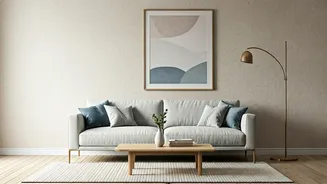
For years, the dominant interior design aesthetic felt like a performance. Driven by social media feeds, the ideal home was often a pristine, untouchable space defined by cool gray walls, matching furniture sets, and a minimalist-to-the-point-of-sterile
vibe. It was beautiful, but it often felt staged—less like a home and more like a showroom waiting for its residents to leave. Natural design is the warm, breathable antidote to that pressure. It’s a philosophy centered on authenticity, comfort, and connection to the environment. Instead of striving for flawlessness, it celebrates imperfection, texture, and the story behind each object, creating rooms that are meant for actual living.
Embrace Earthy Materials and Textures
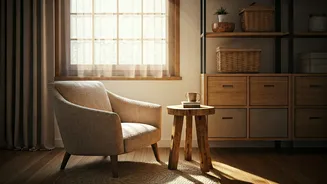
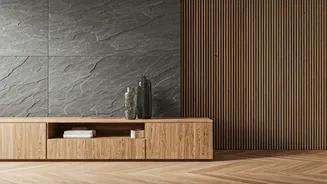
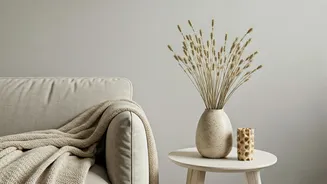
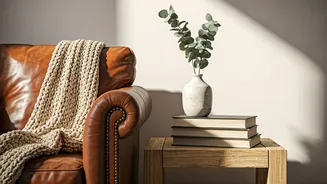
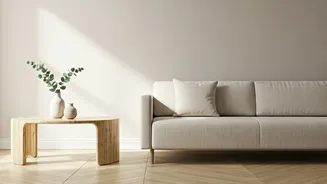
The foundation of natural design is its material palette. This style moves away from plastics and synthetic polishes in favor of materials that feel like they came from the outdoors. Think unfinished or lightly stained wood, cool slate, warm terracotta, and the organic weave of rattan, jute, and seagrass. These materials aren't just for furniture; they can be incorporated through flooring, wall treatments, and decor. The key is to mix and layer them. A smooth wooden coffee table might be paired with a coarse jute rug, linen curtains, and a nubby wool throw blanket. This interplay of textures creates a rich, sensory experience that feels grounded and inviting, unlike the flat, uniform surfaces of more formal styles.
Celebrate the Beauty of Imperfection
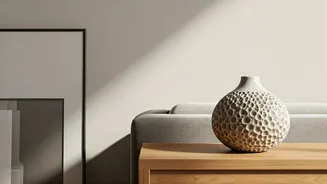
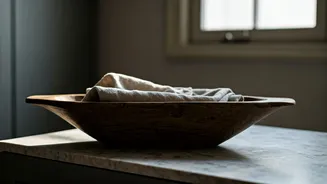
A core tenet of natural design is letting go of the need for everything to be perfect. This concept, often linked to the Japanese aesthetic of wabi-sabi, finds beauty in things that are humble, aged, and incomplete. In your home, this translates to choosing pieces with character. It could be a handcrafted ceramic vase with a slightly uneven glaze, a vintage wooden bowl with visible wear, or a hand-knotted rug where no two stitches are exactly alike. These items tell a story and add a layer of personality that mass-produced perfection cannot replicate. The goal is to create a space that feels collected over time, not ordered from a single catalog in one afternoon.
Bring the Outdoors In (Literally)
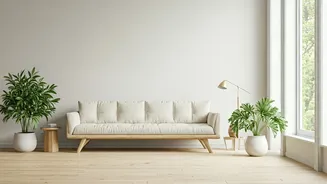
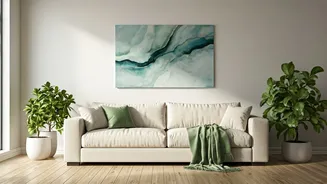
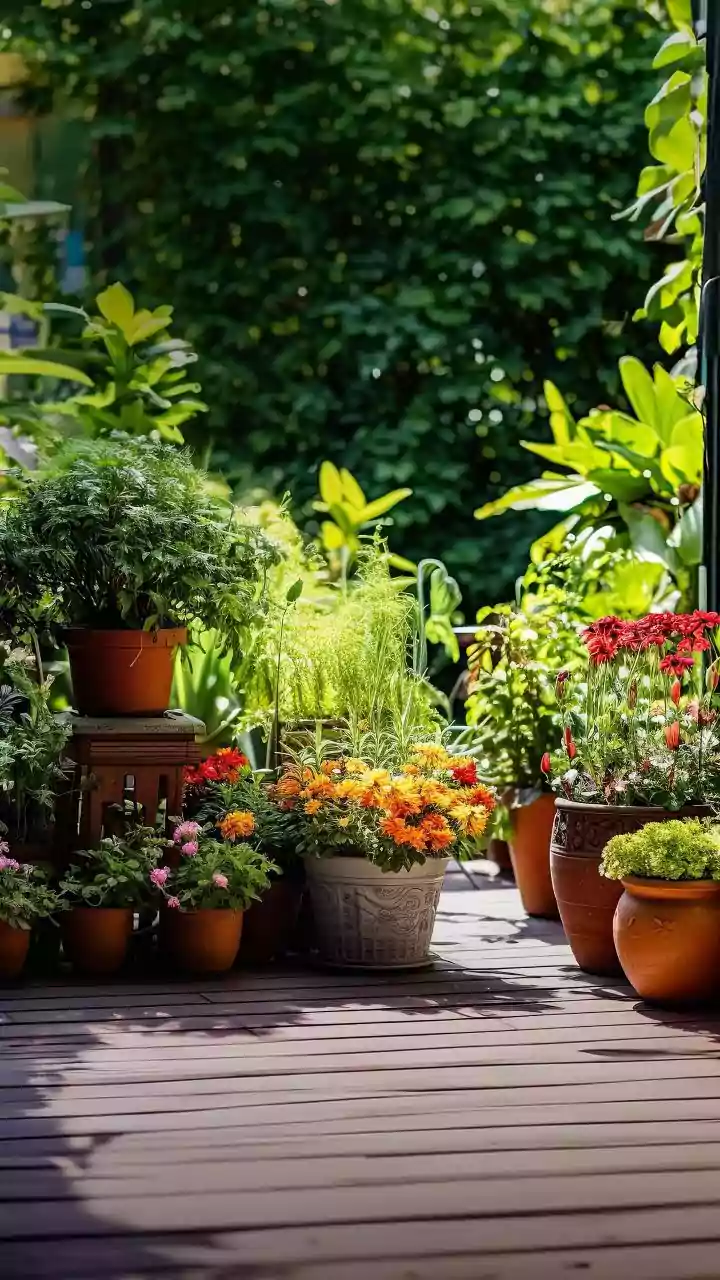
You can't have natural design without nature itself. Houseplants are the most direct way to incorporate this principle, known as biophilic design. They purify the air, add vibrant color, and bring life to static corners. But it’s not just about dotting a few succulents around. Aim for a variety of shapes, sizes, and leaf textures—from a tall fiddle-leaf fig in the living room to a trailing pothos on a bookshelf. Beyond plants, maximizing natural light is crucial. Ditch heavy, formal drapery for light, airy curtains made of linen or sheer cotton that allow sunlight to filter through, connecting the indoor space with the daily rhythm of the world outside.
Work with a Warm, Grounded Palette
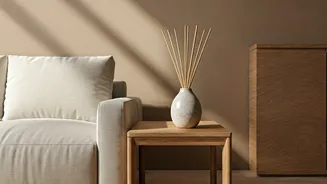
While the all-gray or all-white room had its moment, natural design favors a color palette inspired by landscapes. Think warm whites, creamy beiges, and soft browns as a base. Layer these with earthy accent colors like terracotta, ochre, sage green, and muted blues. These hues are inherently calming and provide a perfect backdrop for the rich textures of wood, stone, and textiles. Unlike stark, high-contrast schemes, this palette is gentle and harmonious, creating a sense of tranquility and cohesion throughout the home. It’s a color story that soothes rather than shouts, encouraging you to relax and unwind.
Let Go of Rigid Symmetry
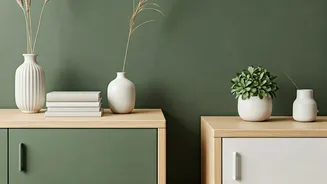
Staged rooms often rely on perfect symmetry—matching nightstands, identical lamps, and artwork centered with mathematical precision. Natural design encourages a more relaxed, asymmetrical approach. Instead of a matching set, try two different bedside tables. Group art or photos in a gallery wall that feels organic rather than grid-like. Arrange decorative objects in groupings of odd numbers, varying their height and shape. This slight imbalance is more visually interesting and reflects how people naturally accumulate and arrange things over time. It signals that the space is flexible, personal, and evolving—the very definition of a home.