



The Shell, Evolved
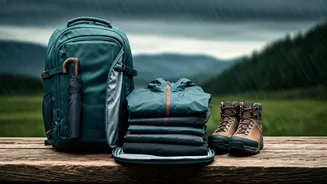
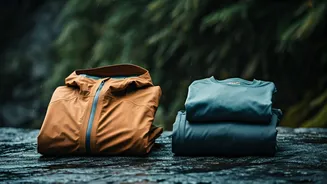
Forget the stiff, sweaty ponchos of yesterday. The single biggest upgrade in wet-weather travel is the modern rain shell. Today’s best jackets are made from waterproof-breathable fabrics (like advanced Gore-Tex, Pertex Shield, or proprietary alternatives)
that block rain while letting vapor escape, so you don’t feel like you’re wearing a plastic bag. They’re also incredibly lightweight and packable, compressing down to the size of an apple. Look for features like sealed seams, an adjustable hood with a stiff brim to keep rain off your face, and pit zips for extra ventilation during humid treks. This one item can replace a bulky umbrella and a heavy coat, forming the cornerstone of a practical monsoon kit.
Internal Waterproofing with Dry Sacks
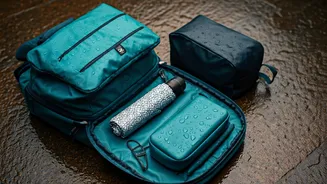
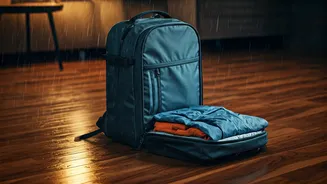
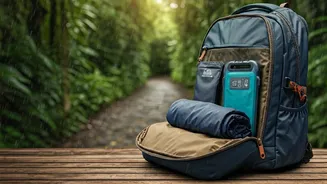
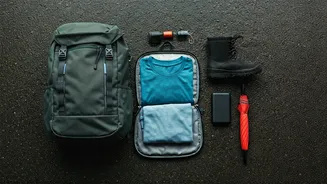
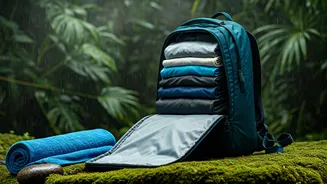
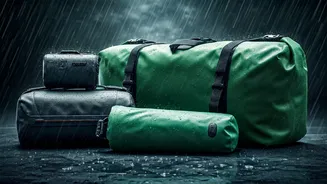
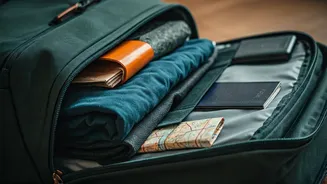
A waterproof backpack is a great start, but true peace of mind comes from internal organization. This is where dry sacks—lightweight, waterproof roll-top bags—are a game-changer. Instead of hoping your one outer bag holds up against a torrential downpour, you can compartmentalize your belongings. Use one dry sack for electronics, another for clean clothes, and a third for documents. They not only guarantee your essentials stay bone-dry but also help compress clothing, saving valuable pack space. You can even keep a spare one for wet or dirty laundry, preventing moisture and odor from contaminating the rest of your bag. They are inexpensive, versatile, and the ultimate insurance policy against a soggy disaster.
Smarter Fabric Choices
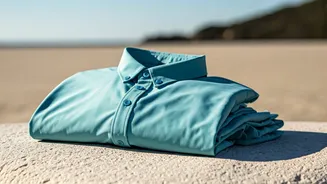
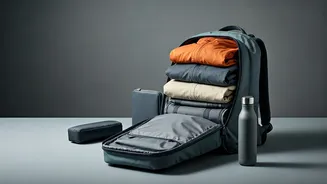
Cotton is the enemy in wet and humid climates. It absorbs moisture, takes forever to dry, and becomes heavy and cold against the skin. The practical shift is toward high-performance fabrics. Merino wool is a natural superstar; it insulates when wet, resists odor for days, and dries surprisingly quickly. Modern synthetics, like treated polyester and nylon blends, are also excellent choices. They are specifically engineered to wick moisture away from your body and dry in a fraction of the time cotton would. Packing a few quick-dry shirts, underwear, and socks means you can wash items in a sink at night and have them ready to wear by morning, allowing you to pack far less overall.
Footwear That Breathes and Dries
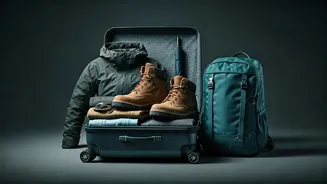
Heavy, fully waterproof boots can be overkill and often become sweat-logged from the inside. The more practical approach is twofold. First, consider a pair of lightweight, waterproof-breathable trail shoes or hikers. They offer support and keep your feet dry from splashes and light rain without turning into a swamp. Second, and crucially, pack a pair of open, quick-drying sandals. Think high-quality sport sandals or EVA slides, not flimsy flip-flops. These are perfect for navigating flooded streets, wearing on lighter-rain days when you don't mind getting wet, or simply letting your feet air out back at your hotel. This combination gives you options for any level of downpour.
Protecting Your Electronics
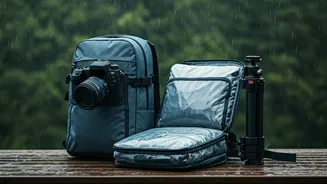
In the past, traveling with a camera or phone in a monsoon was a constant source of anxiety. Today, protection is cheap and effective. Beyond keeping your devices in a dedicated dry sack, consider a waterproof phone pouch you can wear around your neck for quick access. For photographers, affordable rain covers for DSLR or mirrorless cameras are widely available. Even your power bank and charging cables should live in a waterproof case. And don't forget the low-tech solution: a few extra Ziploc bags are weightless and can be lifesavers for small items. This multi-layered approach ensures a dead battery is your biggest worry, not water damage.