

From Humble Pot to Pristine Plate
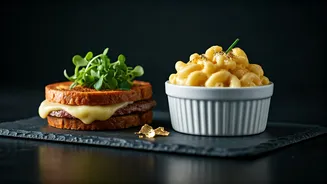
Across the country, a fascinating culinary shift is underway. Chefs trained in the precise, often rigid, world of haute cuisine are turning their attention to the simple, soul-soothing dishes of our childhoods. Think of a classic grilled cheese sandwich,
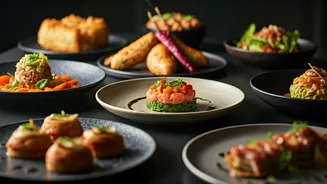
but made with artisanal sourdough, aged Gruyère, and a tomato soup reduction served as a delicate dipping sauce on the side. Or fried chicken, brined for 48 hours, cooked sous-vide for ultimate tenderness, and served with a hot honey foam and micro-cilantro. This isn't just about putting meatloaf on a fancier dish. It’s a complete reimagining, where chefs apply decades of technical skill—emulsification, dehydration, precision plating—to dishes typically associated with a cozy kitchen, not a Michelin-starred dining room. The result is food that aims to trigger deep emotional nostalgia while simultaneously dazzling the palate with unexpected complexity and refinement.
Why Chefs Are Trading Foie Gras for Fries
So, what’s driving this trend? For many chefs, it’s a welcome creative challenge and a way to connect more deeply with diners. After years spent mastering complex French or Japanese techniques, applying that knowledge to a universally beloved dish like a burger or a bowl of spaghetti and meatballs can be liberating. It allows them to showcase their skill without the stuffiness often associated with fine dining. Chef Thomas Keller, one of America’s most celebrated culinary figures, famously serves a legendary buttermilk fried chicken at his more casual restaurant, Ad Hoc. It’s not about irony; it’s about proving that sourcing the best possible chicken and executing the frying process flawlessly is its own form of artistry. This approach makes high-end dining feel more accessible and less intimidating. It tells the diner, “We understand what you love, and we’ve dedicated our expertise to making the best possible version of it.”
A Craving for Comfort in a Complex World
The demand side of the equation is just as important. In an era marked by economic uncertainty, social division, and a constant barrage of digital noise, the appeal of comfort is stronger than ever. Nostalgia is a powerful force, and food is one of its most direct conduits. These elevated comfort dishes tap into a collective desire for the perceived safety and simplicity of the past. They offer a taste of childhood, but refined for an adult palate and budget. It’s a way for diners to indulge in something familiar and reassuring, yet still feel like they are having a special, sophisticated experience. Ordering a $30 “deconstructed” shepherd’s pie isn’t just about the food; it’s about buying a moment of premium, curated nostalgia. It’s the culinary equivalent of watching a beloved 90s sitcom on a 4K television.
The New Definition of 'Good' Food
Ultimately, this trend is blurring the old, rigid lines between “high-brow” and “low-brow” cuisine. For generations, fine dining was defined by expensive, rare ingredients like caviar and imported truffles, served in hushed, formal settings. The elevation of comfort food suggests a new definition of culinary excellence, one that prioritizes technique, ingredient quality, and emotional resonance over tradition and exclusivity. It argues that a perfectly executed potato chip, made from a specific heirloom potato and fried in clarified duck fat, can be just as “gourmet” as any imported delicacy. This democratic shift celebrates skill wherever it is found and acknowledges that the most memorable meals are often those that connect with us on a personal, emotional level—regardless of whether they’re served on porcelain or a paper plate.