


So, What Exactly Is Makhana?
If you haven't heard of makhana, you're not alone. But you've probably seen it without realizing. Often called fox nuts or water lily seeds, makhana comes from an aquatic plant native to Asia. For centuries, these seeds have been harvested, dried, and
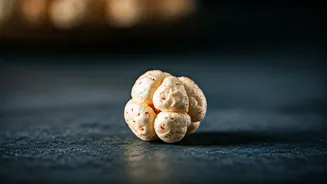
roasted until they pop, transforming into light, airy, white puffs. Think of it as a plant-based phenomenon that's been a staple in Indian cuisine and Ayurvedic traditions for generations. Unlike so many modern snacks engineered in a lab, makhana is a simple, whole food that has stood the test of time. The seeds are painstakingly harvested from the bottom of ponds, making them a naturally grown product that’s now finding a global audience hungry for something new, yet authentic.
The 'Upgrade' Your Snack Bowl Deserves
The word "upgrade" gets thrown around a lot, but in the case of makhana, it’s earned. The first win is texture. Each piece has a uniquely satisfying crunch that gives way to an almost melt-in-your-mouth lightness. It's substantial without being heavy or greasy. The second, and perhaps more significant, win is its nutritional profile. Makhana is naturally low in calories and fat. It’s a good source of plant-based protein, fiber, and essential minerals like magnesium, which is crucial for everything from muscle function to nerve health. It’s also naturally gluten-free and cholesterol-free. This isn’t about deprivation; it’s about getting more from your snack—more crunch, more nutrients, and more satisfaction from a handful of something that’s genuinely good for you.
Move Over, Popcorn
The most common comparison for makhana is popcorn, and for good reason. Both are light, poppable, and perfect for movie nights. But the differences are where makhana truly shines. First, no pesky kernels or hulls. Every piece of makhana is fully edible, meaning no more of that annoying debris getting stuck in your teeth. Second, the flavor base is more neutral than corn, making it an incredibly versatile canvas for seasonings. While popcorn often relies on loads of butter and salt to be compelling, makhana's subtle, earthy flavor can be steered in any direction you choose—savory, spicy, or sweet. And because it's typically roasted rather than oil-popped, it's easier to control the fat content, resulting in a cleaner-feeling snack.
Unlocking Its Flavor Potential
The beauty of makhana is its adaptability. You can buy it pre-seasoned, but making your own is incredibly easy and rewarding. Start with plain, unroasted makhana. Heat a dry pan over medium heat and toast the puffs for 5-7 minutes, shaking often, until they become crisp and crunchy (they'll go from slightly soft to brittle). Once toasted, you can flavor them. For a simple savory snack, toss the warm makhana with a tiny bit of ghee, coconut oil, or olive oil, and then sprinkle with salt, black pepper, and maybe a dash of turmeric or smoked paprika. For a spicy kick, add chili powder and a squeeze of lime juice. For something sweet, a dusting of cinnamon and a touch of maple syrup works wonders. The key is to add the fat and seasonings while the makhana is still warm so everything adheres beautifully.
Where to Find Your Fix
Just a few years ago, finding makhana in the U.S. required a trip to a well-stocked Indian grocery store. While those are still excellent places to find it (often at a great price), its rising popularity means it's now appearing in the snack aisles of major supermarkets, health food stores like Whole Foods, and of course, online retailers like Amazon. You'll find it sold under various names—makhana, fox nuts, or popped water lily seeds—and from a growing number of brands that offer pre-roasted and flavored varieties. Whether you go for a classic sea salt bag or a more adventurous flavor like peri-peri or cheddar, the barrier to entry for trying this incredible snack has never been lower.