


From Movie Myth to Reality
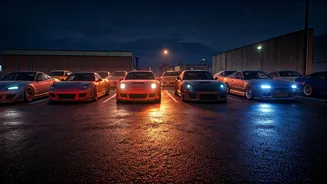
For an entire generation of Americans, Japan’s automotive scene was defined by one movie: *The Fast and the Furious: Tokyo Drift*. It painted a picture of a pulsing, high-stakes underground world where impossibly skilled drivers slid perfectly modified
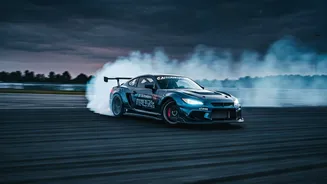
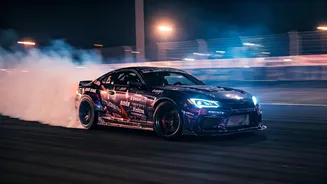
cars through parking garages and mountain passes. The film immortalized drifting—a motorsport defined by controlled oversteer—as a core pillar of modern Japanese cool. It was raw, stylish, and, for most tourists, completely inaccessible. The fantasy of experiencing that world remained just that: a fantasy watched on screen, a subculture admired from afar through YouTube clips and video games. But Japan’s tourism industry, known for its ability to blend ancient tradition with hyper-modern pop culture, has finally cracked the code, transforming this cinematic dream into a tangible, high-octane reality.
Welcome to Fuji Motorsports Forest
This isn't happening in a dimly lit industrial park. The new epicenter of accessible drift culture is the Fuji Motorsports Forest, a sprawling, high-end complex nestled in the Shizuoka Prefecture, about a 90-minute drive from central Tokyo. Anchored by the iconic Fuji Speedway, the destination is a car lover’s paradise, masterminded by Toyota to celebrate Japan's rich automotive heritage. The complex includes the Fuji Speedway Hotel, a luxury property where many rooms offer a direct view of the legendary racetrack’s finish line. It also houses the Fuji Motorsports Museum, a beautifully curated collection of historic race cars that tell the story of Japan's rise as an automotive superpower. This isn't a grassroots sideshow; it’s a polished, premium destination designed to bring the thrill of motorsport to a wider, international audience.
Your Drift Taxi Is Arriving
The main event, and the source of all this “drift energy,” is an experience that puts you directly inside the action. The attraction offers what can only be described as the world’s most exciting taxi ride. Visitors can book a session to ride shotgun with a professional drift driver in a specially prepared car—often a Toyota GR Supra or GR86. This is where the fantasy fully materializes. After strapping into a bucket seat, the world dissolves into a symphony of roaring engines and squealing tires. The driver, with casual precision, flicks the car sideways, executing flawless drifts around a dedicated course. You experience the intense G-forces, the smell of burnt rubber, and the surreal feeling of moving forward while looking out the side window. It’s all the adrenaline of the movies, but executed with the safety and expertise that only a professional on a closed circuit can provide. It's a visceral, unforgettable few minutes that redefines what a tourist experience can be.
A New Blueprint for Tourism
What’s happening at Fuji Speedway is more than just a new ride. It’s a brilliant example of Japan leveraging its unique cultural exports. For decades, tourists have flocked to Japan for its temples, cuisine, and natural beauty. Now, the country is officially inviting them to experience the cool factor of its modern subcultures. By taking the intimidating, niche world of drifting and packaging it into a safe, premium, and accessible format, they have created a powerful new draw. It appeals not only to die-hard car enthusiasts but also to thrill-seeking travelers and anyone who grew up mesmerized by Japanese pop culture. This isn’t just about cars; it’s about allowing visitors to participate in a living piece of the culture they’ve only ever been able to consume through media.