





An Otherworldly Atmosphere
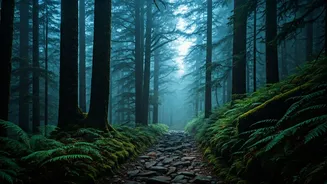
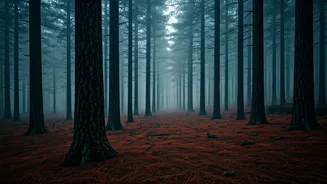
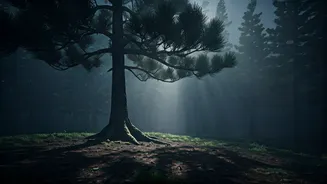
Imagine a forest planted not by nature, but by human hands over a century ago. The pine trees of Kodaikanal, a hill station in the southern Indian state of Tamil Nadu, stand in unnaturally neat rows. During the day, sunlight filters through their canopy,
creating a dappled, serene landscape. But at night, this orderliness becomes eerie. The straight lines of trunks transform into a labyrinth of black pillars, swallowing the moonlight and playing tricks on the eyes. This isn't just a walk in the woods; it's a step into a different, more primal world. The silence is profound, broken only by the snap of a twig underfoot—a sound that seems impossibly loud—or the distant call of an animal. For a growing number of thrill-seekers, many documenting their adventures for Instagram and YouTube, this sensory cocktail of beauty and fear is the main attraction.
The 'Princess of Hill Stations'
For American travelers, Kodaikanal might not be on the standard Delhi-Agra-Jaipur circuit, but it holds a cherished place in Indian vacation culture. Dubbed the 'Princess of Hill Stations,' it was established in the 1840s by American and British missionaries as a refuge from the sweltering heat and diseases of the plains. Perched at about 7,000 feet in the Palani Hills, the town is built around a man-made star-shaped lake and retains a certain colonial-era charm. The pine forests themselves are a part of this legacy, planted by British forester H.D. Bryant in the early 1900s to cultivate a timber industry. Today, those same plantations have become an unlikely hotspot for a very modern form of adventure tourism, far removed from the town's daytime attractions of paddle boats and homemade chocolate shops.
The Social Media Effect
The trend of midnight forest walks isn't an officially sanctioned tourist activity. You won’t find it in glossy brochures. Its popularity has been fueled almost entirely by word-of-mouth and, more significantly, social media. A quick search reveals dozens of vlogs with dramatic titles and shaky, night-vision footage of groups of friends daring each other to venture deeper into the woods. The appeal is twofold. First, it offers an 'authentic' experience—a story to tell that goes beyond a standard vacation snapshot. It’s a challenge to conquer, a personal test of nerve. Second, it provides the perfect raw material for compelling online content. The darkness, the mystique, and the perceived danger create a narrative that cuts through the noise of typical travel posts, promising a brush with the unknown.
Echoes of the 'Guna' Caves
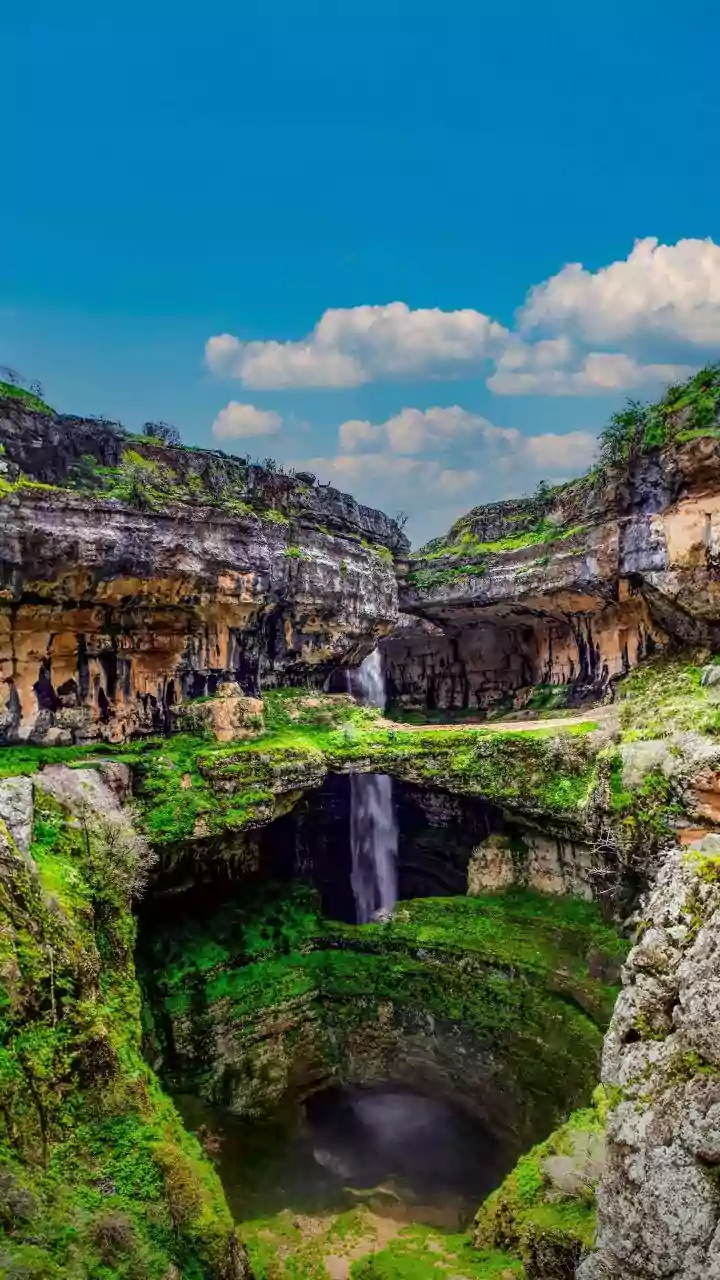
Part of the forest's mystique is tied to a specific landmark within it: the 'Guna' Caves. This deep, treacherous cave system was once a popular, if dangerous, tourist spot. It gained cult status after being featured in the 1991 film *Gunaa*. Following several tragic accidents, authorities fenced off the caves to the public decades ago. But their legend persists, adding a layer of spooky folklore to the surrounding woods. Many of the midnight walks take place in the vicinity of the fenced-off caves, with adventurers drawn to the area’s infamous reputation. This cultural echo chamber—where a film immortalizes a place, which in turn becomes a real-life site of pilgrimage and dare—amplifies the forest's allure.
Real Thrills, Real Risks
While the experience is often framed as harmless fun, the risks are very real. These are not manicured park trails. The ground is uneven, covered in roots and loose pine needles, making it easy to slip and fall in the dark. With no official guides or trail markers for night walks, getting disoriented and lost is a genuine possibility. The most significant danger, however, comes from the forest's actual inhabitants. Kodaikanal's forests are home to Indian bison, known locally as gaur. These are massive, powerful animals that can be aggressive if startled. Encounters are not uncommon, and a nighttime meeting with a protective herd is a far more serious thrill than most tourists bargain for. Local authorities strongly discourage these unsanctioned night-time excursions, but the pull of the dark forest often proves stronger than official warnings.