


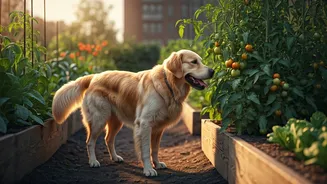
The Concrete Jungle Gets a Green Makeover
Imagine a private patch of wilderness, 40 stories above the gridlocked streets below. This is the vision driving a new, high-end trend in urban pet care. Affluent dog owners are commissioning landscape architects and specialized designers to transform
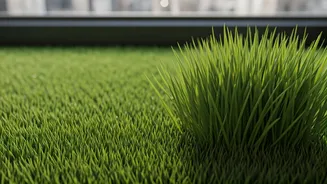
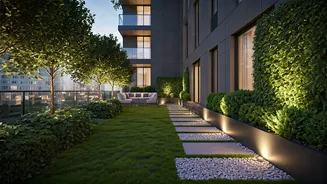
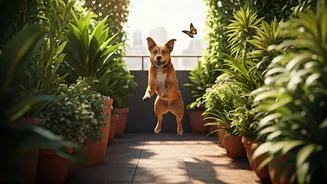
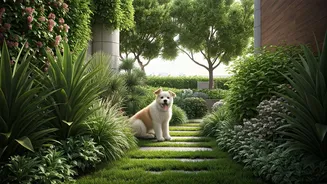
sterile balconies and terraces into bespoke canine oases. We're not talking about a sad square of artificial turf. These are meticulously engineered ecosystems, complete with real, living grass, hardy shrubs, miniature trees, and even decorative logs and stones for sniffing. Custom irrigation and advanced drainage systems, hidden beneath the greenery, ensure the space remains clean and manageable, preventing water damage to the building structure. It’s a seamless blend of nature and engineering, designed to give apartment-dwelling dogs a safe, accessible, and stimulating outdoor experience without the hassle of a late-night elevator ride.
More Than Just a Potty Patch
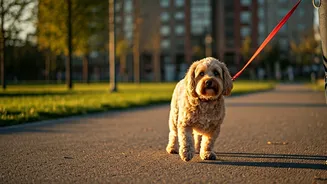
While the convenience of a 24/7 potty spot is an undeniable perk, the motivation behind this trend runs much deeper. It’s a physical manifestation of “pet humanization”—the widespread cultural shift where pets are viewed as integral family members deserving of their own dedicated wellness and enrichment. The pandemic-era surge in pet adoption, especially among city dwellers, accelerated this thinking. Owners who spent lockdown cooped up with their new companions became acutely aware of the limitations of apartment living for an animal. A quick walk around a concrete block, leashed and hurried, suddenly seemed insufficient. These mini-forests are a response to that awareness, an attempt to provide dogs with crucial sensory enrichment. The varied textures, the smell of damp earth after a watering, and the simple freedom to roll in real grass are vital for a dog’s mental and emotional health, helping to curb anxiety and boredom-related behaviors.
The Architecture of the Bark
Creating a personal dog park in the sky is a complex architectural endeavor. The field of “barkitecture,” or pet-centric design, treats these projects with the seriousness of a full-scale landscape installation. The first consideration is weight. Soil, plants, and water are heavy, so structural engineers are often consulted to ensure the balcony can handle the load. Waterproofing is paramount, requiring multiple protective membranes to safeguard the building envelope. Designers then select plants that are not only non-toxic to dogs but also resilient enough to withstand the unique microclimate of a high-rise terrace, which can include high winds and intense sun exposure. Companies specializing in this niche service offer everything from initial consultation and 3D renderings to professional installation and ongoing maintenance plans, which might include reseeding grass and trimming plants. It’s a luxury service with a price tag to match, turning the family dog into a bona fide design client.
A Canine Oasis with Human Perks
Ultimately, the benefits extend to the two-legged residents as well. For owners, the peace of mind is invaluable. Knowing their pet has a clean, safe, and enriching space to enjoy provides a powerful emotional return on investment, especially for those with demanding schedules or mobility challenges that make frequent walks difficult. But the perks are also aesthetic. A well-designed terrace garden enhances the beauty and value of the home, creating a lush, green view that offers a welcome escape from the surrounding urban environment. It becomes a shared space—a serene spot for the owner to enjoy a morning coffee while their dog happily explores its own private slice of nature. This fusion of pet wellness and human luxury is redefining what it means to live with animals in a dense urban setting, proving that with enough creativity and capital, you don't have to choose between a penthouse view and a happy dog.