

Beyond the Beaches: Goa’s Hidden Giant
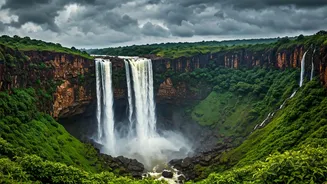
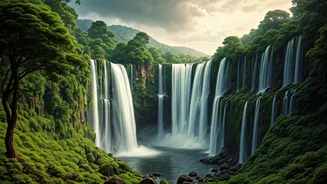
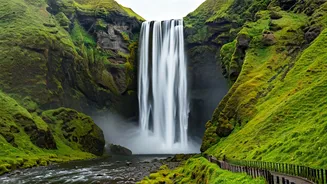
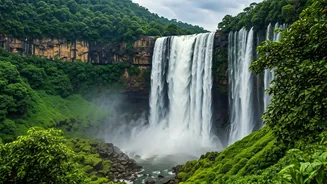
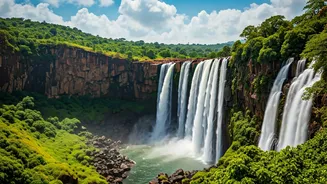
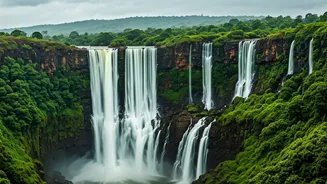
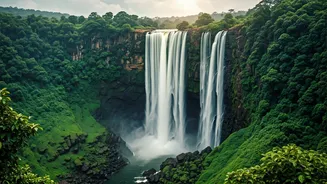
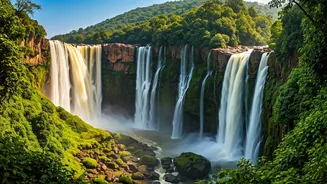
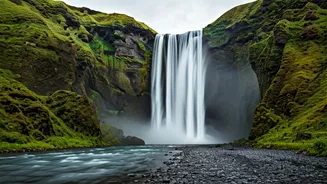
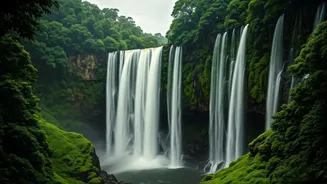
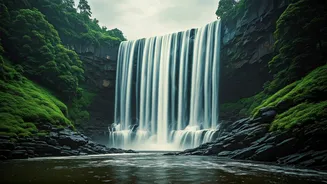
Forget the coastline for a day. Deep in the Western Ghats, on the border of Goa and Karnataka, lies Dudhsagar Falls. The name translates to “Sea of Milk,” and it’s an apt description. During its peak, the four-tiered waterfall plunges over 1,000 feet,
creating a powerful, misty torrent of white water that looks like milk pouring down the mountainside. This isn’t a roadside attraction; the falls are located within the Bhagwan Mahaveer Sanctuary and Mollem National Park, a protected swath of tropical forest. Getting there is an adventure in itself, a world away from the scooters and seaside shacks that define coastal Goa. It’s a chance to see the region’s wild, untamed heart and witness one of India’s most spectacular natural wonders.
The Journey Is Half the Adventure
You can’t just drive up to Dudhsagar. The most common and exciting way to reach the falls is via a registered 4x4 jeep safari from the village of Kulem. This isn't a smooth ride; it’s a thrilling, bumpy 45-minute journey through the jungle. The jeeps ford rivers, navigate rocky dirt tracks, and offer glimpses of the dense wilderness. The shared experience, bouncing along with fellow travelers as you venture deeper into the park, builds a sense of anticipation that a simple car ride could never match. For the more adventurous, guided treks are also an option, offering a more intimate and challenging route through the forest. Whichever path you choose, the journey makes the final reveal of the falls feel earned and all the more breathtaking.
That Postcard-Perfect Moment
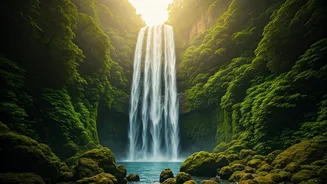
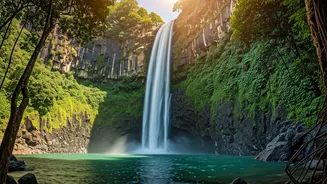
After the jeep drops you off, a short walk brings you to the main event. The sheer power and sound of Dudhsagar are overwhelming. A massive, cool pool at the base of the falls invites you in for a refreshing swim—a mandatory life jacket is provided and required for safety. But the truly iconic sight is the railway bridge that bisects the waterfall. If your timing is right, you'll witness a train slowly chugging across the tracks, momentarily framed against the colossal curtain of water. It's a surreal, almost cinematic image that has made Dudhsagar famous across India. This is the moment you’ll want your camera ready for, a perfect blend of human engineering and raw natural power.
Timing Your Trip for a Perfect View
When you visit matters. The falls are at their most ferocious during the monsoon season (June to September). The volume of water is staggering, but the park is often closed to jeep safaris due to unsafe river levels and slippery tracks. The ideal time for most travelers is just after the monsoon, from October to February. During these months, the flow is still immense, the weather is pleasant, and the park is fully accessible. The water is clear, the forest is a vibrant green, and the swimming conditions are perfect. As summer approaches (March to May), the water volume decreases significantly, and while still beautiful, the falls lose some of their thunderous impact. For the classic “Sea of Milk” experience, aim for the post-monsoon window.
Know Before You Go: Essential Tips
A little preparation goes a long way. To secure a spot in a jeep, arrive at the booking counter in Kulem early, especially during peak season, as spots are limited and sell out. Wear a swimsuit under your clothes for an easy transition to swimming, and bring quick-dry clothing. Sturdy shoes or sandals are better than flip-flops for the walk from the jeep drop-off point. There are very few amenities at the falls, so pack your own water and snacks. Be aware that you are in a national park; feeding monkeys or other wildlife is prohibited and can be dangerous. Finally, there's a time limit for how long your group can stay at the falls (usually around 90 minutes) to manage the flow of visitors, so make the most of your time.