



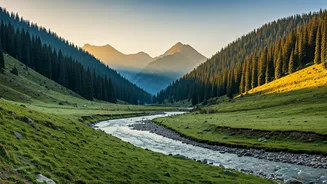
An Unspoiled Himalayan Gem
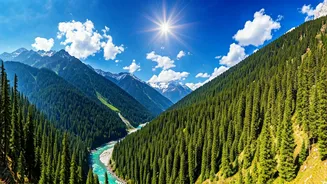
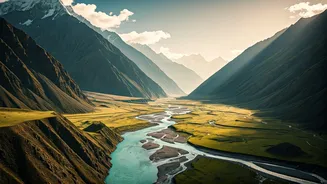
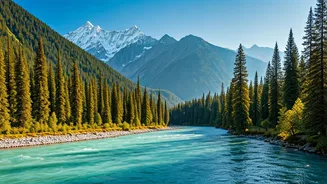
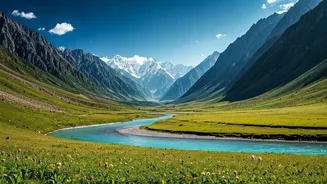
Tucked away in the Kullu district of Himachal Pradesh, India, Tirthan Valley feels like a secret whispered among mountains. Named for the turquoise Tirthan River that carves through it, the valley is the gateway to the Great Himalayan National Park, a UNESCO
World Heritage Site. Unlike its more famous and commercialized neighbors, Tirthan has fiercely protected its tranquil, eco-conscious identity. There are no large resorts or noisy tourist hubs here. Instead, you'll find charming riverside villages, traditional wooden guesthouses, and a profound sense of peace that settles over you the moment you arrive. It’s a destination that doesn’t shout for attention; it rewards the traveler who seeks serenity over spectacle.
The Magic of the Riverside Trails
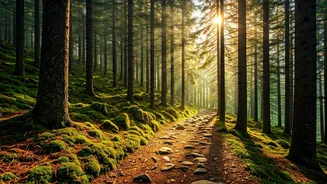
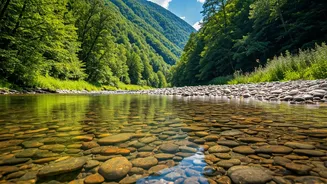
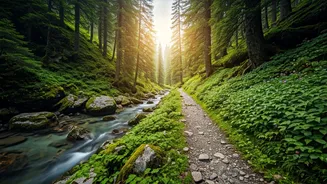
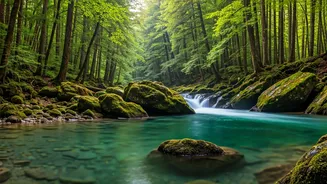
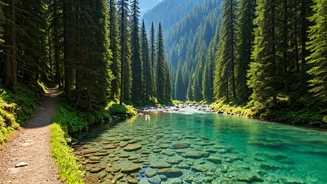
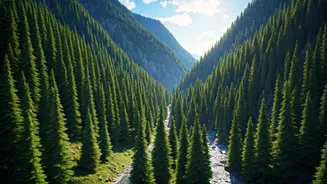
The headline gets it right: the trails are the main event. What makes them a “winner” is their accessibility and sheer beauty. You don’t need to be a seasoned mountaineer to enjoy the best of Tirthan. Numerous paths meander right alongside the river, offering easy, relatively flat walks perfect for a morning stroll or a full day of exploration. These trails guide you through dense pine forests, past cascading waterfalls, and across charming wooden footbridges. The soundtrack is a constant, soothing rush of water, punctuated by the calls of over 200 species of birds. Every turn reveals a new vista: a sun-dappled clearing perfect for a picnic, a hidden pool with impossibly clear water, or a quiet spot to sit on a boulder and simply watch the river flow.
Beyond the Beaten Path
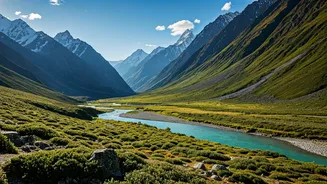
While the riverside walks are the heart of the experience, Tirthan Valley offers more for the curious traveler. Anglers flock here for the world-class trout fishing; the valley is an “angling reserve,” and a day spent casting a line for brown or rainbow trout is a meditative experience. The villages themselves, like Gushaini, Nagini, and Jibhi, are worth exploring. They offer a glimpse into the local way of life and are dotted with homes built in the traditional Kath-Kuni style—an architectural method using interlocking layers of stone and wood without mortar. For those seeking a bit more challenge, the valley is a launchpad for more strenuous treks into the core zone of the Great Himalayan National Park, taking you to alpine meadows and high-altitude lakes.
An Authentic Homestay Culture
A huge part of Tirthan's charm is its accommodation. The valley has deliberately fostered a culture of homestays and small, family-run guesthouses over large, impersonal hotels. Staying in one is an experience in itself. Hosts often welcome you not just as a guest, but as a friend, sharing stories over home-cooked meals made from locally sourced ingredients. Imagine waking up in a cozy room with a wooden balcony overlooking the river, enjoying a breakfast of fresh parathas and local honey, and getting insider tips on the best hidden spots to visit. This intimate connection to the place and its people is what transforms a simple vacation into a cherished memory.
Planning Your Himalayan Escape
For American travelers, getting to Tirthan Valley requires some planning but is incredibly rewarding. The best time to visit is during the summer months, from March to June, when the weather is pleasant and the landscape is lush and green. The journey typically involves flying into a major Indian city like Delhi, followed by a domestic flight to Bhuntar Airport (KUU) near Kullu. From the airport, it’s a scenic two-to-three-hour drive into the valley. It’s wise to book accommodations in advance, especially during the peak season. While it’s a world away, English is widely understood in the tourism-oriented areas, making navigation and communication relatively straightforward for international visitors.