



The Great Visa Wall vs. the Open Door
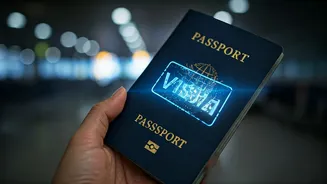
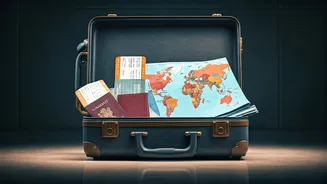
For decades, the ultimate travel goal for many in India’s burgeoning middle class was a trip to Europe or the United States. But that dream comes with a significant hurdle: the visa. Applying for a U.S. or Schengen visa can be a notoriously slow, expensive,
and uncertain process, often involving long waits for appointments, stacks of financial paperwork, and no guarantee of approval. It’s a psychological and logistical barrier that puts a damper on spontaneous travel planning. Southeast Asian nations have recognized this pain point and turned it into their single greatest advantage. In a bid to capture a slice of India’s massive outbound tourism market, countries like Thailand, Malaysia, and Sri Lanka have recently rolled out visa-free entry policies for Indian passport holders. Vietnam has also streamlined its e-visa process, making it faster and more predictable. This isn’t just a minor convenience; it’s a game-changer. It transforms the idea of an international trip from a months-long planning ordeal into a potential weekend decision, creating a powerful incentive to look east.
Affordability and Proximity Matter
Beyond the visa issue, the simple math of time and money makes an undeniable case for the region. A flight from Mumbai or Delhi to Bangkok takes about four to five hours—roughly the same as a cross-country flight in the U.S. In contrast, a flight to Paris or New York is a long-haul commitment of nine to sixteen hours, often with a significant price tag to match. This accessibility extends to costs on the ground. The Indian rupee goes much further in Ho Chi Minh City or Kuala Lumpur than it does in London or Rome. Travelers can afford boutique hotels, indulge in world-class street food, and experience a wide range of activities without the constant budget anxiety that often accompanies a Western vacation. For a family planning its first international trip or a young couple looking for an affordable getaway, the value proposition is almost unbeatable. It makes global travel feel attainable, not just aspirational.
A Comforting Dose of Cultural Familiarity
For many first-time Indian travelers, navigating a completely alien culture can be intimidating. Southeast Asia offers a “soft landing.” While distinct and exciting, the cultures of countries like Thailand, Indonesia, and Malaysia share subtle but significant overlaps with India. There are deep-rooted historical and religious ties, evident in the Hindu-influenced architecture of Angkor Wat in Cambodia or the Prambanan temple complex in Indonesia. This familiarity also appears on the menu. The prevalence of rice, rich curries, and complex spice blends feels both new and comfortingly recognizable to the Indian palate. Furthermore, the general atmosphere in many of these tourist-friendly nations is famously welcoming. English is widely spoken in tourist hubs, and there’s a well-established infrastructure for accommodating Indian visitors, including a growing number of Indian restaurants. This blend of the exotic and the familiar makes the entire experience feel more manageable and enjoyable.
The Rise of the Aspirational Traveler
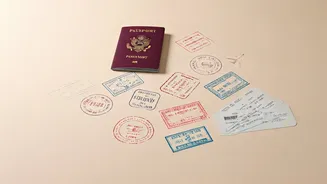
This trend isn’t just about logistics; it’s about a fundamental shift within India itself. A rapidly expanding economy has created a new generation of young, digitally-savvy consumers with disposable income and a hunger for new experiences. Fueled by Instagram feeds filled with the turquoise waters of Phuket and the bustling streets of Singapore, their travel aspirations are global. They want the passport stamps, the cultural immersion, and the shareable moments. Southeast Asia delivers perfectly on this modern travel currency. The region is visually stunning, culturally rich, and offers a catalogue of experiences—from full moon parties and scuba diving to serene temple visits and luxury shopping—that cater to a wide spectrum of tastes. It’s the perfect starter pack for global exploration, allowing new travelers to build confidence and broaden their horizons before potentially tackling the more complex and expensive journeys to the West.