





The Great Visa Wall
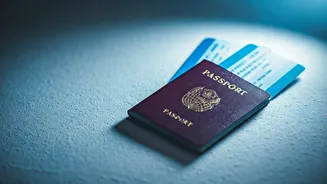
Imagine planning a trip to the United States, only to find the next available appointment for a visa interview is over 500 days away. This isn't a hypothetical; it's been the reality for many first-time Indian applicants. The U.S., along with the U.K.
and Europe's Schengen Area, has long been a top-tier destination for India's burgeoning middle and upper classes. But the process has become a grueling test of patience, involving mountains of paperwork, expensive fees with no guarantee of success, and the perceived indignity of having your travel plans scrutinized and judged. This phenomenon, often dubbed the 'visa wall,' is a significant deterrent. It turns a spontaneous desire for a vacation into a long-term, high-stress project. For a generation of globally connected Indian professionals and entrepreneurs who can work from anywhere and want to vacation everywhere, the message from these lengthy queues feels clear: 'We don't trust you, and you'll have to wait.'
Southeast Asia's Open Invitation
In stark contrast to the Western world's bureaucratic hurdles, a different message is coming from Southeast Asia: 'Please come, we're ready for you.' Countries like Thailand, Malaysia, and Sri Lanka have rolled out the red carpet for Indian passport holders, offering visa-free entry or simple visa-on-arrival policies. Thailand, a longtime favorite, recently extended a visa-free scheme, leading to a massive influx of Indian tourists seeking its famous beaches, vibrant street food, and rich cultural sites. For an Indian family or group of friends, the difference is night and day. Instead of a year-long plan, a trip to Bangkok or Kuala Lumpur can be booked on a whim. The money saved on visa fees and agency consultants can be spent on better hotels, more shopping, and extra excursions. This ease of access has transformed these nations from 'backup plans' into primary destinations, capturing a massive and lucrative slice of the Indian outbound travel market.
The Power of 'Travel Dignity'
This shift isn't just about logistics; it's about a concept that travel industry experts call 'travel dignity.' Indian tourists are one of the fastest-growing and highest-spending demographics in the world. They are tired of being treated with suspicion. When a country offers visa-free access, it’s not just a policy change; it’s a gesture of respect and trust. It signals that their tourist dollars are wanted and their presence is welcomed, not just tolerated. This psychological factor is powerful. The feeling of being able to book a flight and simply show up with your passport is a luxury that Americans and Europeans have long taken for granted. As more countries recognize this, they are unlocking a floodgate of Indian tourism. The choice is simple: go where you are celebrated, not where you are interrogated.
Beyond Asia: A Global Trend
The trend extends far beyond Asia's beaches. Kenya, looking to boost its tourism sector, recently announced visa-free travel for all global citizens, a move that was widely celebrated in India. This opened up the possibility of hassle-free safaris and cultural trips to Africa. In the Middle East, destinations like Dubai and Abu Dhabi have long perfected the art of the easy visa, using it to position themselves as essential hubs and vacation spots for Indian travelers. Even countries like Iran and Kazakhstan have joined the list, hoping to attract a new wave of explorers. Each new announcement of a visa-free policy on Indian news channels is met with a flurry of activity on travel websites. It’s a direct and measurable response. These countries are effectively telling one of the world's largest populations: the world is open to you, and you don't need a permission slip from an embassy to see it.