
Moving Beyond the Buffet Line
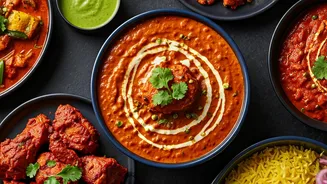
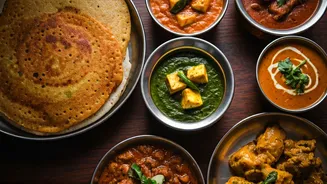
For many Americans, "Indian food" has long been a synonym for a predictable, all-you-can-eat buffet. The menu was a familiar rotation of chicken tikka masala, saag paneer, and fluffy naan bread. While delicious, this fare was often a toned-down, Anglicized
version of North Indian cuisine, designed to be palatable and inoffensive. It was food created by immigrants trying to make a living by giving American customers what they thought they wanted. But a culinary rebellion is underway, led by chefs who are done with apologizing for the powerful flavors of their heritage. They are rejecting the one-size-fits-all approach and instead championing the vast, diverse, and unapologetic flavors of the Indian subcontinent, a region often referred to as "Desi."
The New Guard and Their Mission
At the forefront of this movement are figures like chef Chintan Pandya and restaurateur Roni Mazumdar of the aptly named Unapologetic Foods group in New York City. Their restaurants, including the wildly popular Dhamaka and the Michelin-starred Semma, have become showcases for what they call "the forgotten side of India." Instead of creamy kormas, Dhamaka’s menu features dishes like gurda kapoora (goat kidneys and testicles stir-fried with onions and pao) and doh khleh (a Meghalayan pork salad with lime and ginger). Semma dives deep into the regional cuisine of southern India, earning its Michelin star with dishes like nathai pirattal (snails with tamarind and ginger) and venison prepared with black pepper and kalpasi, a rare stone flower spice. Their bet is simple: that authentic, specific, and intensely flavored food doesn't need to be watered down to find an audience. The long waitlists for reservations suggest they've won that bet.
A Nationwide Tour of Flavor
This isn't just a New York phenomenon. Across the country, chefs are digging into their family cookbooks and regional traditions. In Chicago, Sujan Sarkar's Indienne earned a Michelin star for its modernist take on regional dishes. In cities like Houston, Atlanta, and the Bay Area, new restaurants are proudly serving food that tingles with the sour punch of tamarind, the smoky heat of ghost peppers, the pungent funk of mustard oil, and the complex bitterness of fresh fenugreek. This new wave is about specificity. It’s the difference between saying you’re having "Italian food" versus a hyper-regional Sicilian specialty. Diners are learning that the food of Goa, with its Portuguese influence and use of vinegar, is worlds apart from the lentil-rich vegetarian cuisine of Gujarat or the fiery meat dishes of Rajasthan. This is food with a story, a geography, and a distinct point of view.
Why Now? Identity on a Plate
So why is this happening now? It's a perfect storm of factors. First, a generation of American-born or -raised chefs of South Asian descent is coming of age. They have the culinary training and cultural fluency to act as bridges, presenting the food of their parents and grandparents with confidence and pride. Second, the American palate has evolved. Decades of exposure to global cuisines through travel, television, and the internet have created a more adventurous diner, one who seeks authenticity and is willing to be challenged. Finally, this is a story of identity. For many of these chefs, cooking this food is an act of cultural reclamation. It’s a way of saying that their heritage is not something to be diluted for mass consumption but something to be celebrated in its full, bold, and glorious expression. It's about serving food that tastes like home, even if that home is thousands of miles away.