
The Danger Lurking on the Rind
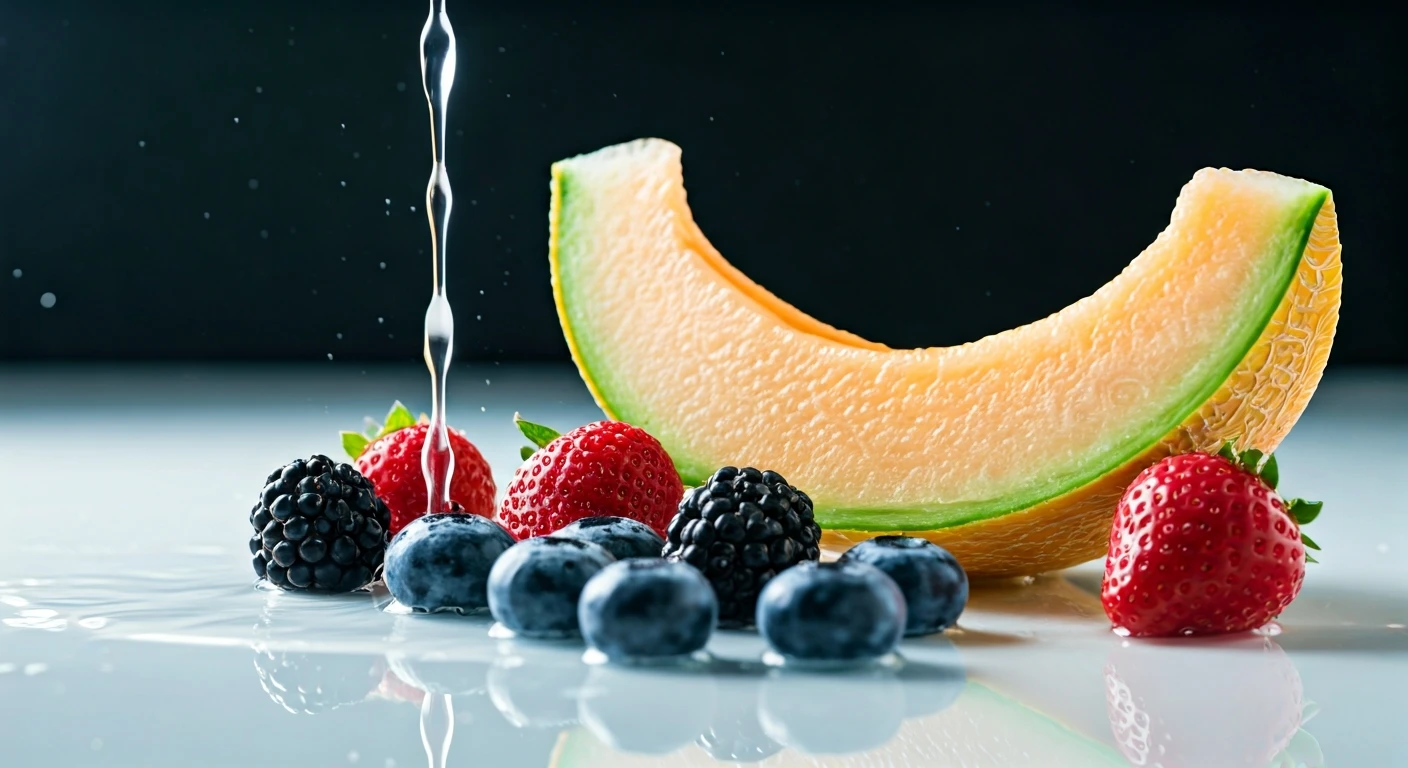
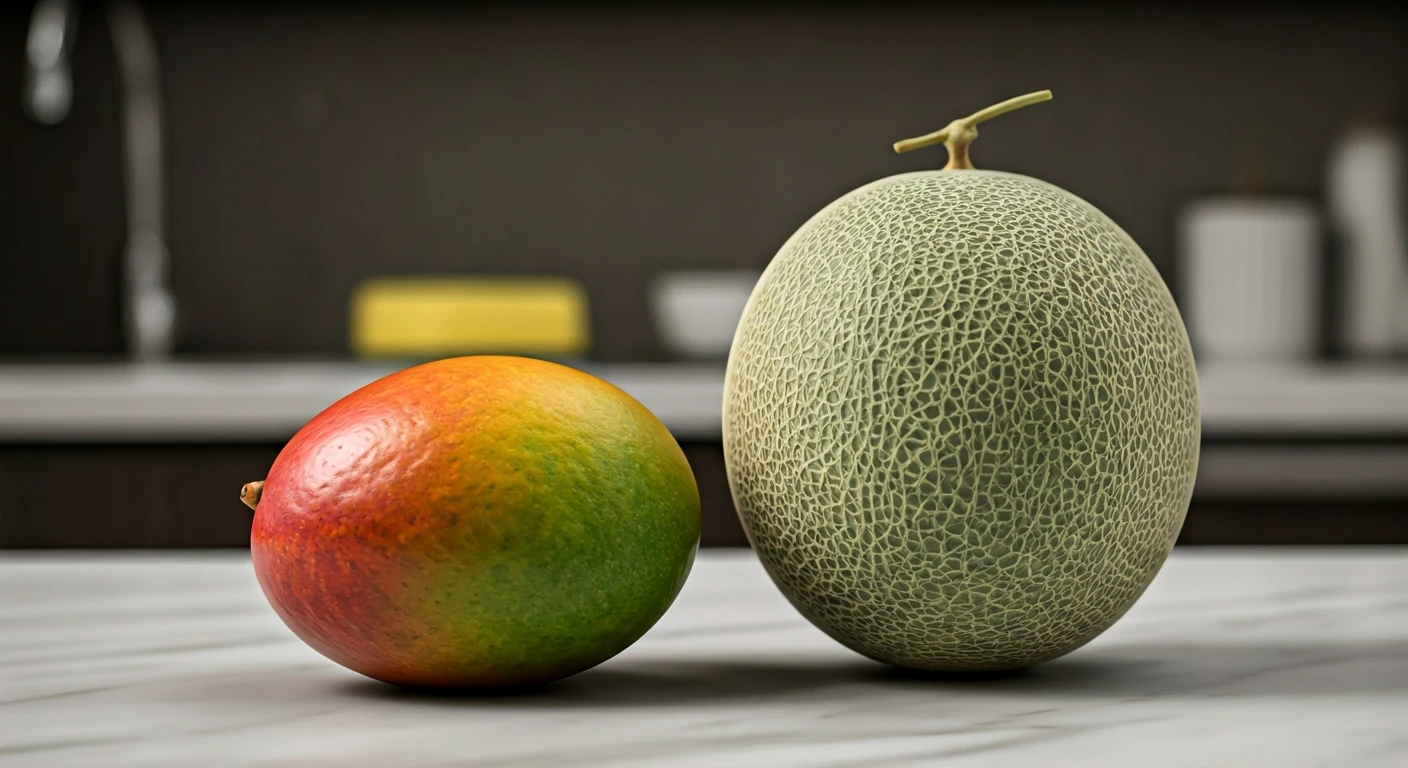
The problem with many of our favorite fruits, especially melons like cantaloupe, isn’t what’s inside—it’s what’s on the outside. Melons grow on the ground, where they come into contact with soil, water, and potential contaminants from animals. Their textured,
netted rinds are particularly good at trapping bacteria like Listeria and Salmonella. Listeria is an especially hardy bacterium that can survive and even grow in cold temperatures, like those in a refrigerator.From the field, the fruit is transported, handled by workers, and displayed in stores or at stands, accumulating more germs along the way. Even if you don’t eat the rind, the moment you slice into that melon with a knife, you are potentially dragging all the bacteria from the surface directly into the sweet, edible flesh you and your family are about to eat. This simple act of cutting is the single biggest moment of cross-contamination, turning a perfectly safe fruit into a potential health hazard.
Why Pre-Cut Fruit Is a Bigger Gamble
Those convenient plastic containers of pre-cut watermelon, mango, or mixed melon are tempting, especially on a hot day. But they represent a significant step up in risk compared to whole fruit. First, you have no way of knowing if the fruit was washed before it was cut. If it wasn't, the flesh is almost certainly contaminated. Second, the person cutting the fruit may have used a contaminated knife or cutting board, further spreading germs.More importantly, once fruit is cut, it enters a food safety danger zone. Bacteria thrive on the exposed, nutrient-rich surfaces, and they multiply rapidly at room temperature. For pre-cut fruit to be safe, it must be kept consistently refrigerated at 40°F or below. A roadside stand sitting in the summer sun is the opposite of a controlled, refrigerated environment. The longer the cut fruit sits out, the greater the bacterial growth, increasing the odds of foodborne illness. While grocery stores have stricter temperature controls, the initial risk of contamination during cutting still exists.
The Right Way to Prepare Whole Fruit
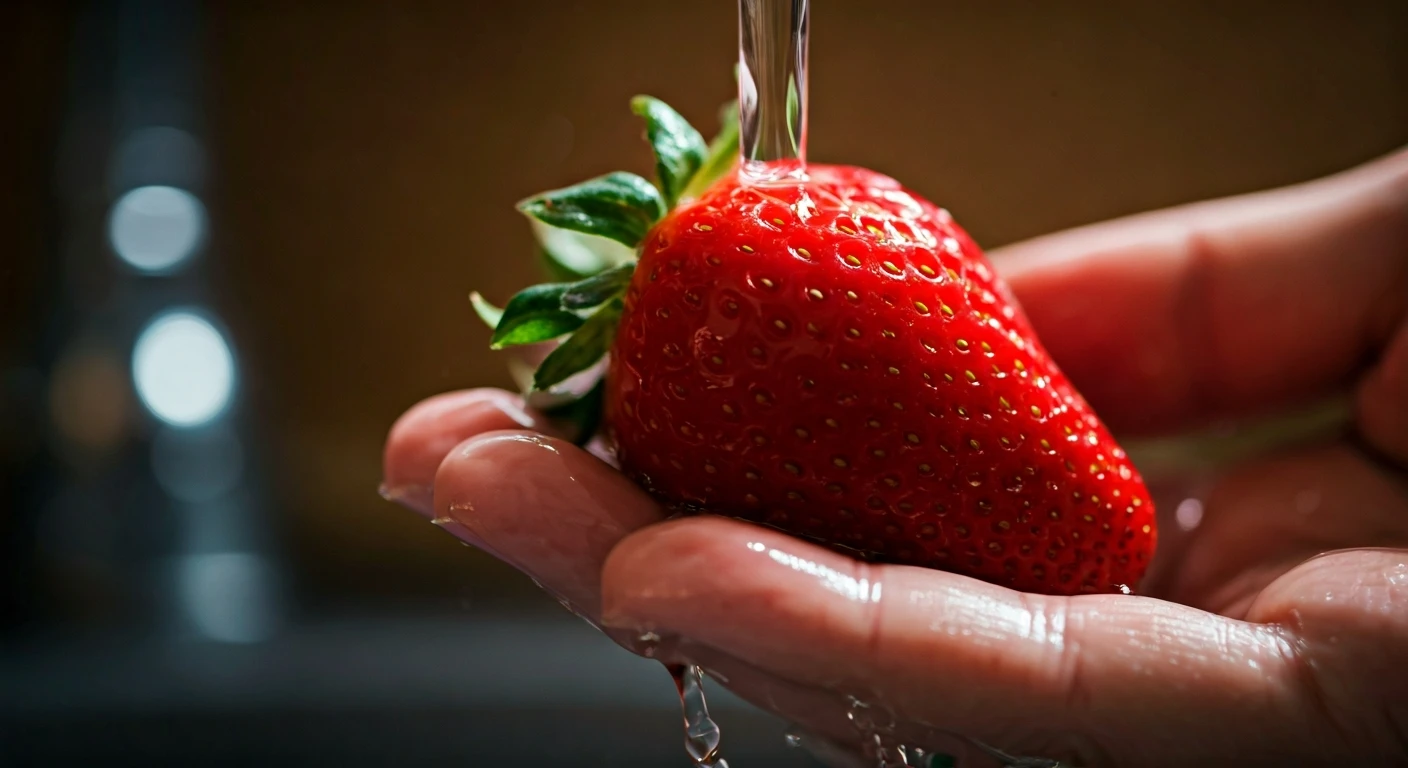
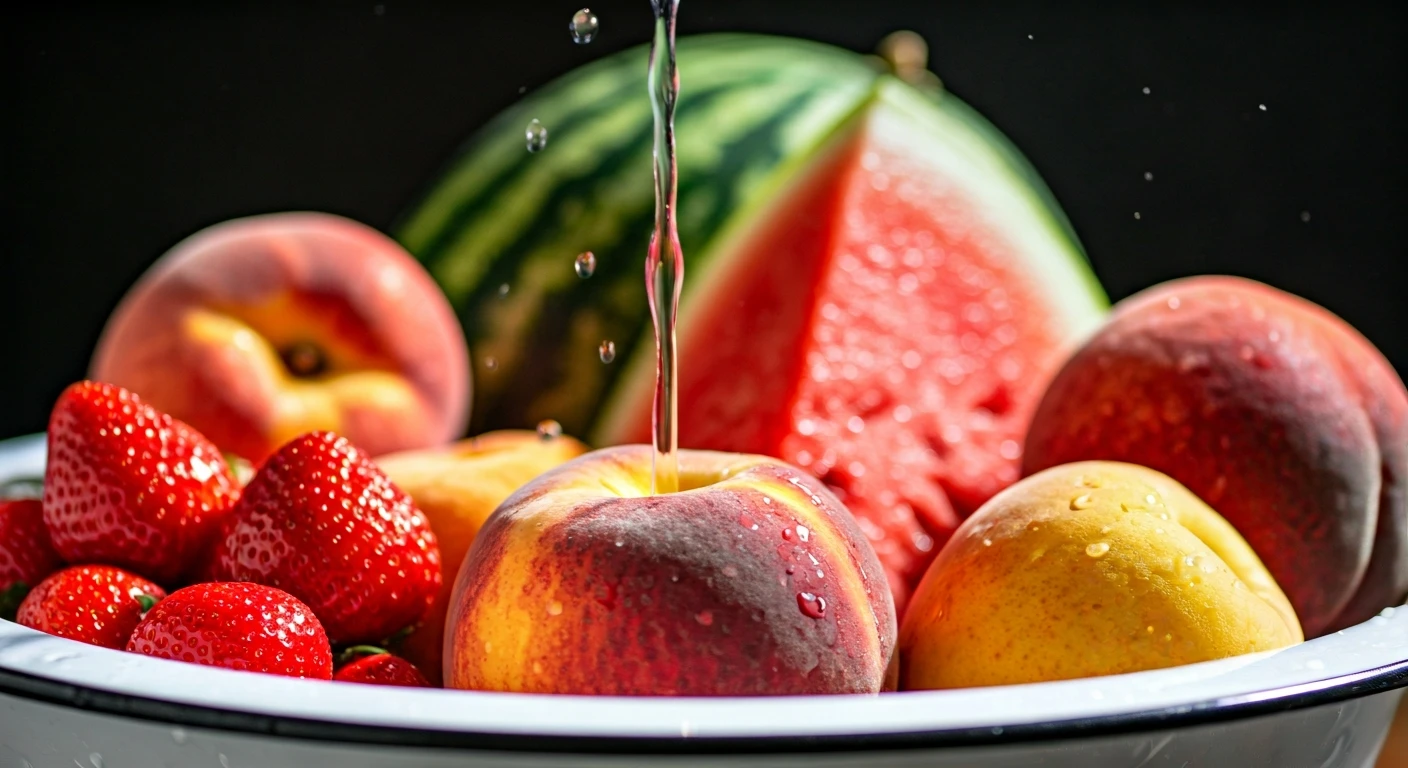
The good news is that making melons and mangoes safe to eat is incredibly simple. By buying them whole and preparing them at home, you control the entire process. The Food and Drug Administration (FDA) recommends a few key steps for maximum safety.First, wash your hands thoroughly with soap and water before handling any produce. Next, wash the fruit itself right before you plan to cut it—don't wash it and then store it, as this can promote mold growth. Scrub the entire surface of the melon or mango under clean, running water. For melons with rough rinds like cantaloupe, using a clean produce brush is highly effective. You don’t need to use soap or produce washes. After washing, dry the fruit with a clean cloth or paper towel to further reduce any lingering bacteria. Finally, use a clean knife on a clean cutting board to slice it open. Once cut, refrigerate any leftovers promptly.
This Rule Applies to More Than Melons
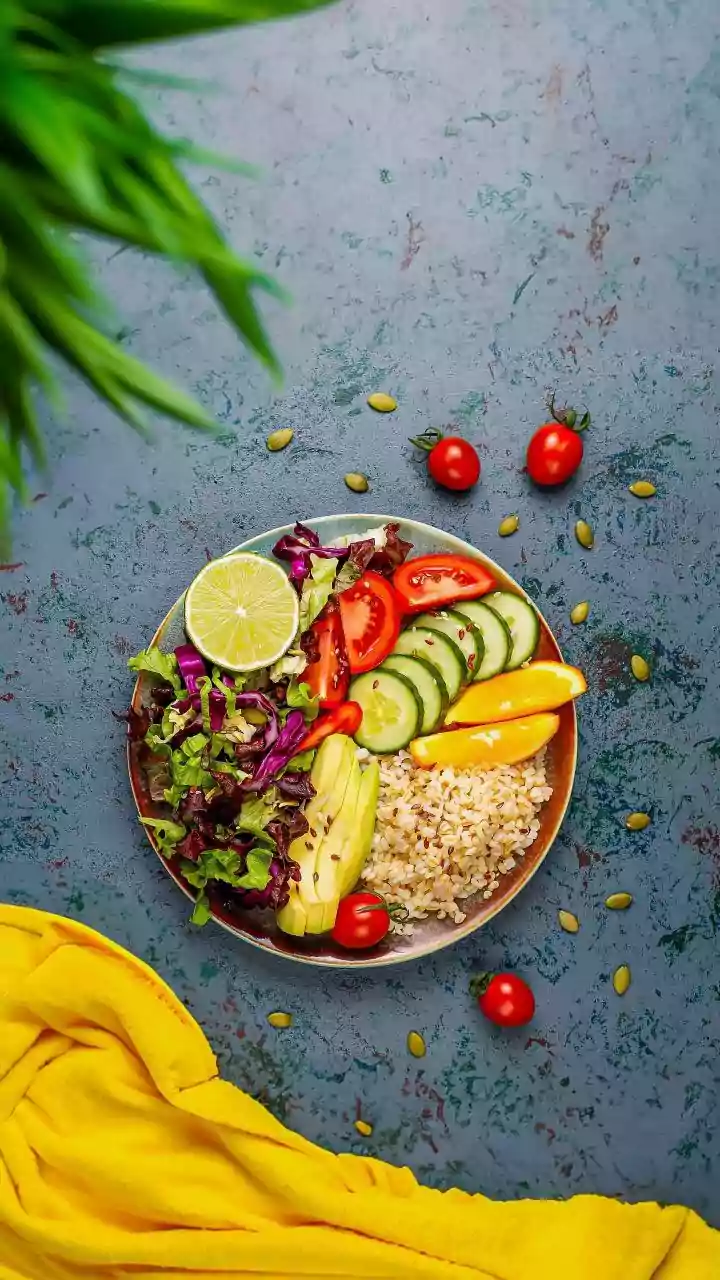
This food safety principle isn't exclusive to melons and mangoes. It applies to any fruit or vegetable where you cut through an outer skin or peel you don’t eat. Think of avocados, oranges, lemons, and even bananas if you’re slicing them with the peel on. Each one has an exterior that has been exposed to the environment and extensive handling.Slicing through an unwashed avocado skin for your toast can introduce bacteria to the creamy interior. Zesting an unwashed lemon for a recipe can transfer contaminants directly into your food. The logic is always the same: what's on the outside can easily get inside via your knife. Taking 30 seconds to scrub the exterior of your produce is one of the smallest and most effective investments you can make in your health.