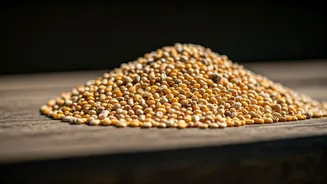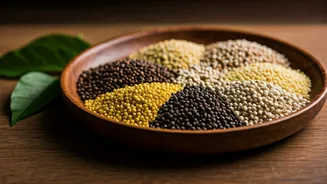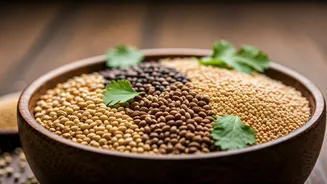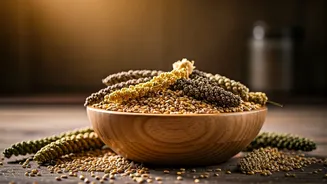

So, What Are Millets, Anyway?
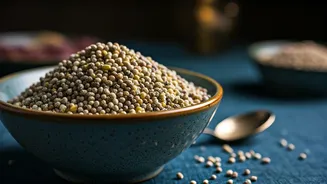
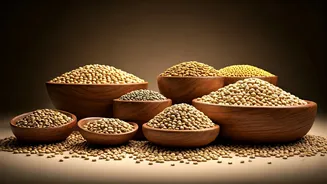
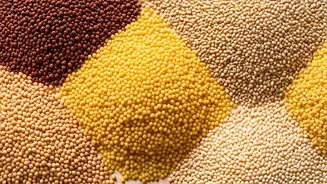
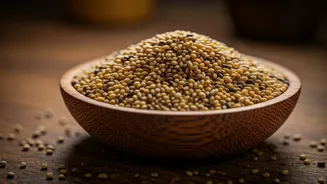
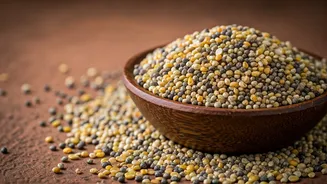
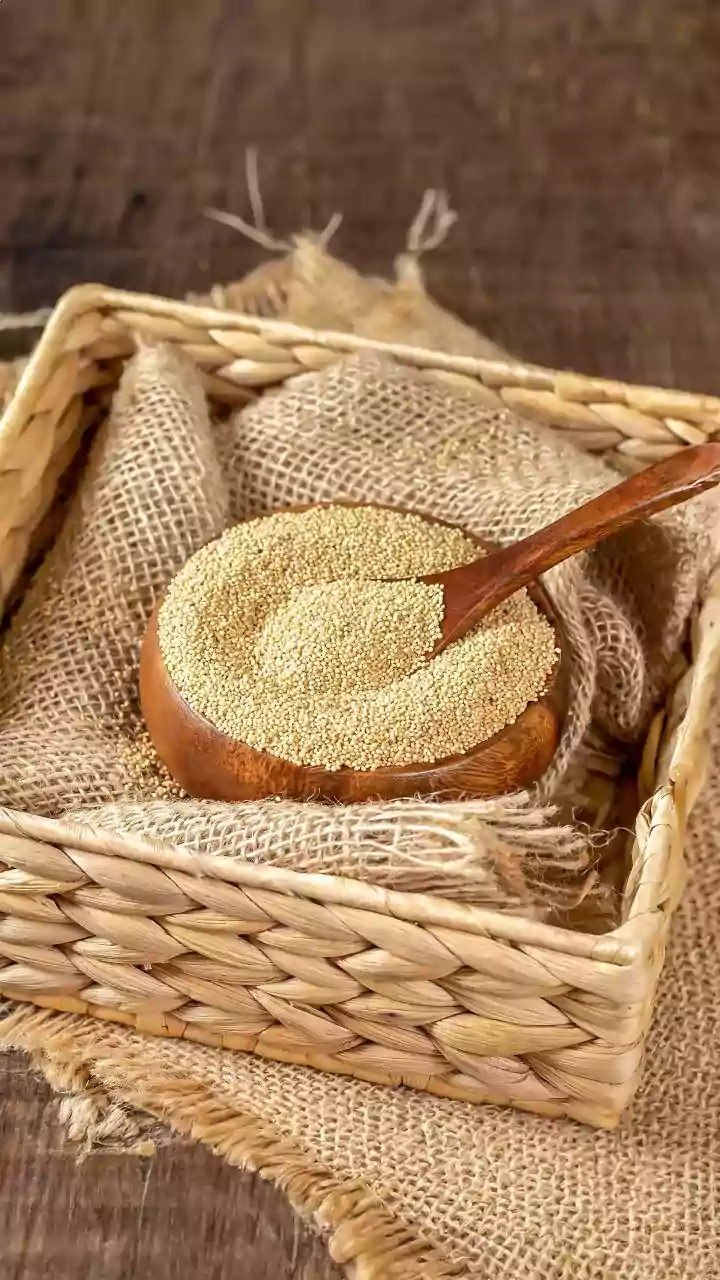
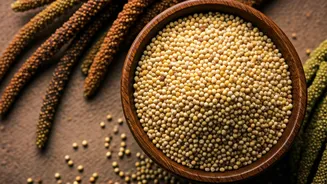
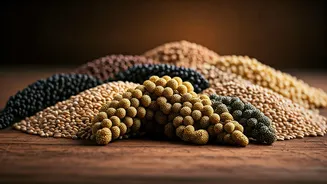
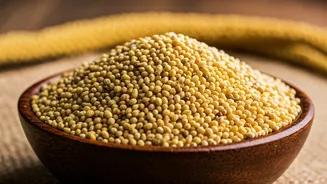
Before you picture a single, lonely grain, it’s important to know that “millet” is a catch-all term for a group of small-seeded grasses. Think of it like “citrus” rather than “orange.” This diverse family includes pearl millet (bajra), sorghum (jowar),
finger millet (ragi), and foxtail millet, among others. For thousands of years, these hardy grains were a cornerstone of the Indian diet. Unlike wheat and rice, which require significant water and specific growing conditions, millets are remarkably resilient. They thrive in arid climates and poor soil, making them a dependable, climate-smart crop. They are naturally gluten-free and pack a serious nutritional punch, but for decades, they were largely overshadowed in the global and even Indian food conversation.
The Grains That Time Forgot
If millets were so central to India’s culinary past, where did they go? The answer lies in the agricultural shifts of the mid-20th century. The Green Revolution, which began in the 1960s, prioritized high-yield crops like wheat and rice to combat food shortages. Government policies, subsidies, and public distribution systems heavily favored these two grains, pushing millets to the margins. Slowly, wheat-based breads like naan and chapati, along with polished white rice, became symbols of prosperity and modernity. Millets, once the food of kings and commoners alike, were relegated to rural, regional, or “poor-people’s” food. This shift not only altered India’s agricultural landscape but also disconnected a generation of urban consumers from their own ancestral foodways. The feeling of being “rooted” in a culinary tradition was increasingly tied to refined grains, not the diverse, nutrient-dense millets of the past.
A Nutritional Powerhouse Returns
Today’s comeback is driven by a perfect storm of factors, chief among them health. As lifestyle diseases like diabetes, obesity, and heart disease become more prevalent in the U.S. and India, people are seeking healthier alternatives. Millets fit the bill perfectly. They are loaded with fiber, which aids digestion and promotes satiety, making them great for weight management. They are also rich in protein, antioxidants, and essential minerals like iron and magnesium. Crucially, most millet varieties have a low glycemic index, meaning they release sugar into the bloodstream slowly. This quality makes them an excellent carbohydrate source for people managing blood sugar levels. For the health-conscious consumer, swapping a portion of their refined rice or wheat for millets is an easy, effective way to boost their meal's nutritional profile without sacrificing satisfaction.
From Humble Porridge to Gourmet Plates
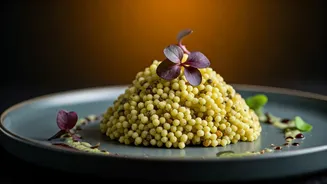
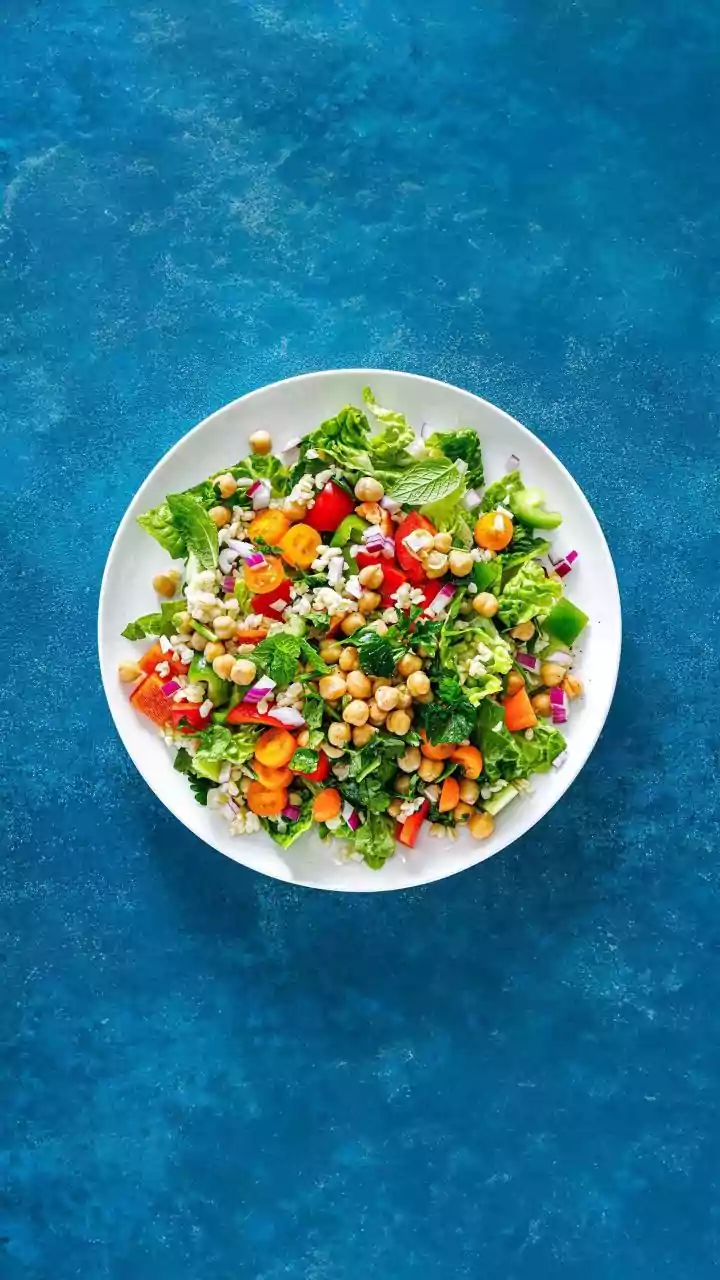
The revival isn't just happening in health food stores; it’s a full-blown culinary movement. In home kitchens, families are rediscovering traditional recipes like ragi mudde (a dense finger millet ball from Karnataka) or bajra rotis (unleavened pearl millet flatbreads). The UN declaring 2023 the “International Year of Millets” only amplified this global interest. Meanwhile, innovative chefs are taking millets mainstream in exciting new ways. You can now find millet biryanis, millet-based pizza crusts, fluffy millet upma for breakfast, and even crunchy millet salads on trendy restaurant menus from New York to New Delhi. They are being used to create modern, gluten-free versions of everything from pancakes and crackers to granola and risotto. This culinary creativity is key—it proves that eating healthy and traditional doesn't have to be boring or restrictive. It can be delicious, modern, and deeply satisfying.