



Beyond the Buffet Line
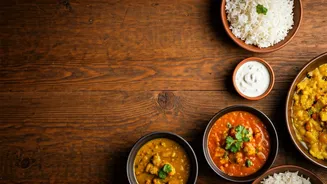
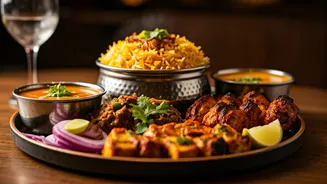
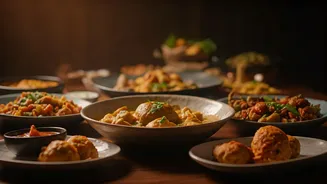
For decades, the average American’s experience with Indian cuisine was defined by the lunch buffet or a formal dinner out. The food was often rich, creamy, and wonderful, but the thought of recreating it at home was intimidating. Long, esoteric ingredient
lists, multi-stage cooking processes, and techniques that felt foreign to the Western home cook created a barrier. Dishes like dal makhani or butter chicken seemed to require a level of dedication—and a spice cabinet—that felt out of reach for a simple weeknight meal. This perception painted a picture of Indian food as an occasional treat, a special-occasion indulgence rather than a go-to for everyday comfort and nourishment.
The 'Indian-ish' Revolution
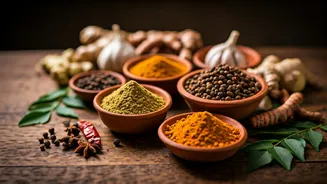
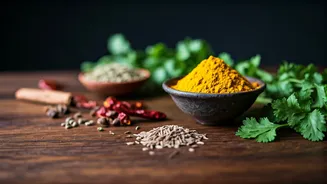
Enter the “glow-up.” A new generation of Indian-American chefs, cookbook authors, and food bloggers is revolutionizing how we see and cook Indian food. Spearheaded by figures like Priya Krishna with her landmark book “Indian-ish,” this movement is all about practicality and personal history. It’s not about diluting flavors but about adapting them to the realities of a modern American kitchen. This philosophy says: You don't need a spice grinder and ten whole spices to make a fragrant tadka (a tempering of spices in hot oil or ghee); you can use pre-ground spices from your local supermarket. You don't have to make your own paneer; store-bought is fine. It’s a liberating approach that honors the spirit of the dish while stripping away the intimidation.
Your Pantry, Your Rules
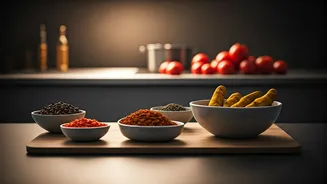
The core of this practical glow-up is a new relationship with ingredients. The new guard of Indian cooking champions a flexible mindset. A can of chickpeas becomes the base for a quick chana masala. A bag of frozen spinach is perfect for a simplified saag paneer. That bottle of olive oil can stand in for ghee in a pinch. This approach isn't about a lack of authenticity; it's about a new kind of authenticity rooted in the diaspora experience—blending the flavors of an ancestral home with the contents of a contemporary American pantry. It gives home cooks permission to improvise, using ketchup for a tangy sweetness or a tortilla as a makeshift roti. The goal is a delicious meal, not a historical reenactment.
The Instant Pot Tipping Point
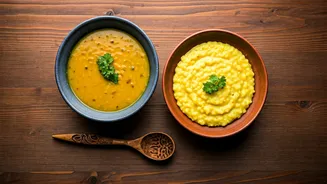
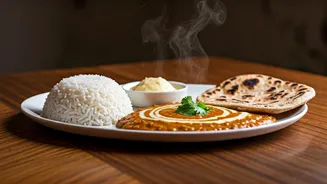
If there’s one piece of technology that symbolizes this shift, it’s the Instant Pot. This humble countertop appliance has been a game-changer, turning hours-long recipes into 30-minute affairs. Lentil dishes like dal, which traditionally require long simmering times to achieve their creamy consistency, can be cooked to perfection during a commercial break. Complex rice dishes like biryani, once reserved for celebrations, are suddenly viable for a Wednesday dinner. The Instant Pot and other modern tools like it have democratized Indian cooking, making the cuisine’s most beloved comfort dishes accessible to even the most time-crunched and kitchen-shy cooks.
More Than Just a Shortcut
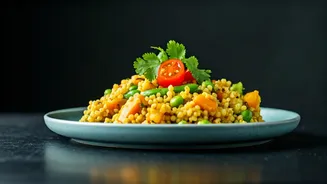
It would be a mistake to view this evolution as merely taking shortcuts. This is about claiming and redefining a cuisine. It’s the story of Indian food evolving in a new context, just as it has evolved across different regions of India for centuries. It reflects the identity of a generation that grew up with both dal and pizza, who see no contradiction in pairing a spicy curry with a side of roasted broccoli. This “glow-up” is about confidence—the confidence to honor tradition while making it your own. It's about bringing the soul-warming, deeply satisfying comfort of Indian food into the daily rhythm of American life, proving that it belongs not just in restaurants, but right at home on our dinner tables.