





Welcome to the 'Scotland of India'
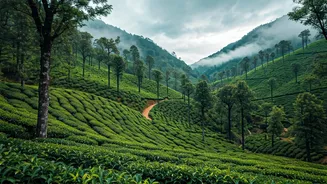
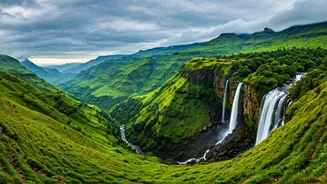
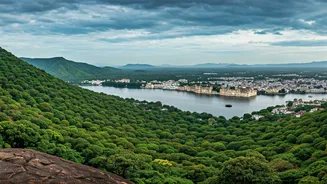
Tucked away in the Western Ghats mountain range in the state of Karnataka, Coorg—officially known as Kodagu—has long been a beloved escape for Indians seeking respite from city heat. Dubbed the 'Scotland of India' for its rolling green hills, misty climate,
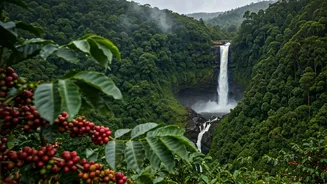
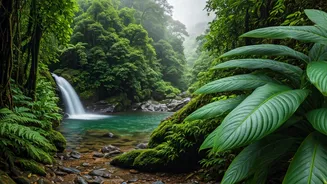
and sprawling plantations, this region is a world away from the desert palaces and crowded cities often featured in travelogues. The air here smells of coffee, cardamom, and black pepper, which grow in abundance under the shade of a dense forest canopy. It’s a place defined by its profound connection to nature, from its gushing waterfalls to its verdant, seemingly endless landscapes.
The Unforgettable Magic of a Monsoon Trek
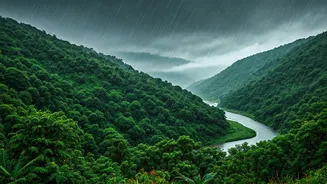
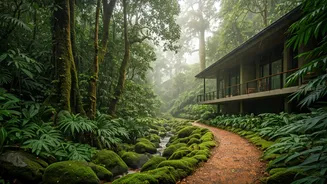
From June to September, the monsoon arrives, and Coorg undergoes a dramatic transformation. This isn't a dreary, all-day drizzle; it's a dynamic, life-giving force. The rain washes the dust from every leaf, turning the hills a hundred shades of impossible green. This is when the “rain trails” come alive. Hiking during the monsoon is a full-sensory experience. Imagine walking through a coffee estate as a gentle mist hangs in the air, the sound of raindrops drumming on broad leaves overhead. The trails, which can be dry and dusty in other seasons, become soft and fragrant with the smell of wet earth. Streams that were once trickles swell into roaring cascades, and waterfalls like Abbey Falls and Iruppu Falls are at their most thunderous and spectacular. Far from being an inconvenience, the rain creates a cozy, romantic, and intensely beautiful atmosphere, perfect for those who find peace in the sounds and sights of nature at its most vibrant.
Luxury for Less: The Off-Season Advantage
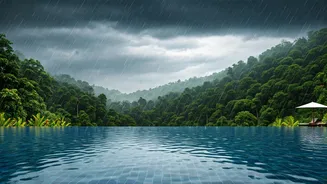
Here's the secret that makes this entire proposition irresistible: the monsoon is technically Coorg’s off-season. While domestic tourists flock here during the drier, cooler winter months, the rainy season sees a significant drop in crowds. In response, some of the region’s most stunning properties—from luxury resorts with private pool villas to charming, family-run homestays nestled in coffee plantations—slash their prices. It’s not uncommon to find discounts of 30-50% on accommodations that would command premium rates at other times of the year. This economic reality creates a golden opportunity for the savvy traveler. You get to experience Coorg at its most beautiful, without the crowds, and for a fraction of the peak-season cost. It’s a rare travel equation where the best experience is also the most affordable.
What to Do When You're Not on the Trail
A trip to Coorg is about more than just hiking. The moments between showers offer plenty of opportunities for exploration. Most resorts and homestays offer guided tours of their coffee and spice plantations, where you can learn about the journey from bean to cup. Visiting the Dubare Elephant Camp, where you can watch elephants being bathed by their handlers in the river, is a popular activity, though it’s best enjoyed when the rain subsides. The region is also a paradise for food lovers. Don't leave without trying the local Kodava cuisine, famous for its distinctive use of local spices and, most notably, its iconic *pandi* curry (a spicy pork dish). A rainy afternoon spent reading a book by a window overlooking a misty valley, a warm cup of locally grown coffee in hand, is an activity in itself and a core part of the Coorg monsoon experience.
Planning Your Monsoon Escape
For U.S. travelers, the most convenient entry points are the international airports in Bengaluru (Bangalore) or Mangalore. From there, Coorg is a scenic, albeit long, 5-to-6-hour drive. You can hire a car and driver, which is a common and relatively affordable practice in India. When packing, think layers and waterproofing. A reliable rain jacket, waterproof hiking shoes or boots with good grip, and quick-drying clothes are essential. It’s also wise to pack leech socks, available online or in local shops, as the damp trails are home to these harmless but annoying critters. Embrace the idea of unplugging; while most hotels have Wi-Fi, the remote location and weather can sometimes make for a spotty connection—a perfect excuse to disconnect from the world and connect with your surroundings.