




The Return of the In-Flight Treat
Remember when flying, even for just an hour, felt like a special occasion? Part of that magic was the service, including the complimentary snacks and drinks that have largely vanished on domestic flights over the last two decades. Airlines, in an effort
to cut costs and compete with ultra-low-cost carriers, stripped the experience down to its essentials: a seat and a seatbelt. Anything extra, from a checked bag to a can of soda, came with a fee. Now, the pendulum is swinging back. Major U.S. carriers are realizing that competing solely on price is a race to the bottom. To win over loyal customers and business travelers, they're reinvesting in the passenger experience. And one of the most tangible, noticeable, and cost-effective ways to do that is by improving the food and beverage offerings, even on flights that are under three hours long.
What's on the New Airline Menu?
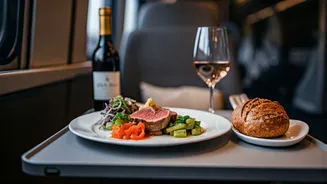
The upgrade isn't just about bringing back old standards; it's about introducing higher-quality, more interesting options. Think of it as a curated snack box at 30,000 feet. Delta Air Lines, for example, has been a leader in this trend, regularly rotating its complimentary offerings in the main cabin to include premium snacks. Passengers might find themselves choosing between sweet and savory options like Biscoff cookies, potato chips from a well-regarded brand, or organic energy bars from companies like Kate's Real Food. It’s a small touch that makes the journey feel more thoughtful and less transactional. Other major airlines are following suit. American Airlines has enhanced its snack basket for first-class customers on shorter flights and has been reintroducing more substantial food-for-purchase options in the main cabin on routes that had previously gone without. United Airlines has also refreshed its snack selection, aiming to provide more variety and better quality than the generic pretzels of yesteryear. The message is clear: the sad little snack bag is no longer good enough.
Beyond the Skies: Trains Get an Upgrade Too
This delicious upgrade isn't confined to the air. Amtrak, America's passenger rail service, is also elevating its onboard culinary game, particularly on its popular short-haul corridors. On the Acela line, which connects major cities in the Northeast, the café car menu has been revamped to feature products from more recognizable and higher-end brands. Passengers can now find La Colombe coffee, craft beers from local breweries like Dogfish Head, and upgraded wine selections. This shift recognizes that train travelers, who are often commuting for business or taking a weekend trip, appreciate quality and convenience. By offering a better cup of coffee or a more appealing lunch option, Amtrak is making the train a more attractive alternative to flying or driving, positioning itself not just as a mode of transport but as a more civilized and enjoyable travel experience.
The Strategy Behind the Snacks
So, why the sudden generosity? It’s not simply altruism. Travel providers are engaged in a fierce battle for customer loyalty. While ultra-low-cost carriers like Spirit and Frontier have cornered the market on no-frills, rock-bottom fares, the legacy carriers are doubling down on experience to justify their slightly higher ticket prices. A memorable snack or a quality beverage can generate an immense amount of goodwill for a relatively low cost. It’s a tangible perk that travelers notice and appreciate. In a world of online reviews and social media posts, a positive comment about a surprisingly good in-flight snack can have a greater marketing impact than a traditional ad. It helps differentiate the brand, making passengers feel valued rather than just processed. This small investment in comfort and quality is a strategic move to build brand preference and convince travelers that some airlines are, in fact, better than others.