


The King of Festivals
For a few days each year, typically in the sweltering heat of June or July, India's capital transforms into a paradise for fruit lovers. The Delhi International Mango Festival, or 'Aam Mahotsav,' is an explosion of color, flavor, and fragrance. Forget
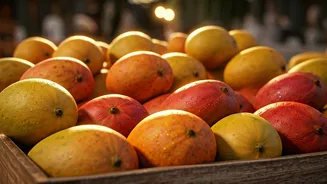
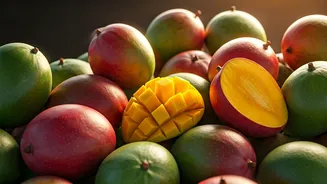
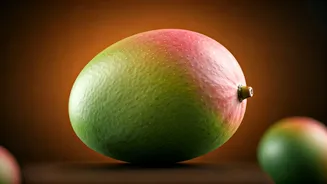
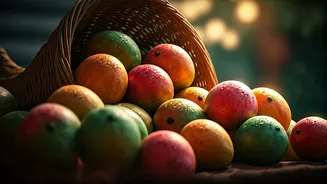
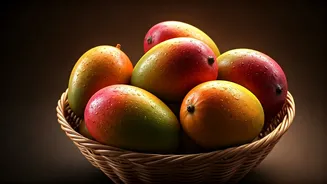
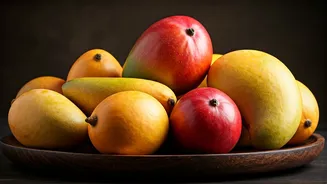
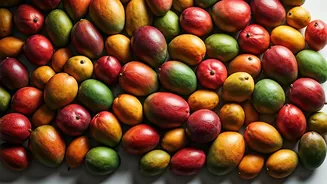
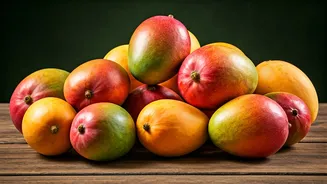
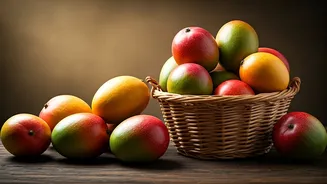
your standard grocery store mango, the one reliable variety you see stateside. This is an entirely different universe. Picture long tables piled high with pyramids of fruit in every conceivable shape and shade—from small, round globes of canary yellow to enormous, blushing specimens tinged with red and green. First held in 1987, the festival is a sensory overload in the best possible way. It’s a loud, joyful, and slightly sticky celebration of a fruit that is less a simple food item and more a cultural obsession in India.
A Dazzling Parade of Varieties
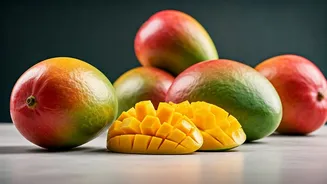
The headline's claim of 'every mango imaginable' isn't far from the truth. While not literally every type on Earth is present, the festival regularly showcases over 500 varieties, a staggering diversity that puts the American fruit aisle to shame. Farmers from across India, particularly from states like Uttar Pradesh, Bihar, and West Bengal, bring their prized harvests to compete for prestige and showcase their region’s unique agricultural heritage. Here, you’ll find the legendary Alphonso, so creamy and sweet it’s often eaten with just a spoon. You'll see the slender, fragrant Dasheri; the fiberless, honey-toned Chausa; and the distinctly tart Langra. But the real magic is in discovering the lesser-known heroes: the Gulab Khas ('rose-scented'), the Sindoori ('vermillion-colored'), and dozens of other hyper-local varieties whose names are poetry in themselves. It’s a living museum of mango biodiversity.
More Than Just a Tasting
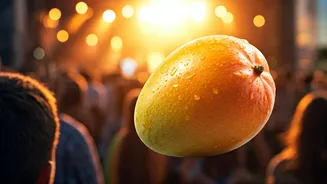
While tasting your way through this fruity wonderland is the main event, the festival is a full-blown cultural affair. One of the most popular and chaotic events is the mango-eating competition, where contestants race to devour as many mangoes as possible in a few minutes, faces covered in pulp and juice, to the cheers of a delighted crowd. Beyond the gluttony, there are chef-led cooking demonstrations showing how to incorporate mangoes into everything from elaborate desserts to savory curries. Stalls line the venue selling every mango-based product you can think of: jams, jellies, pickles (aam ka achaar), juices, and even mango-based beauty products. Interspersed with the food are cultural programs featuring folk music and dance, making the festival a vibrant cross-section of Indian summer life.
A Story of Pride and Produce
Beneath the surface of this sweet celebration is a story about agriculture, economics, and regional pride. For the farmers who travel hundreds of miles to be here, the festival is a crucial platform. It’s a chance to gain recognition, attract buyers for their crops, and preserve heirloom varieties that might otherwise be lost to more commercially dominant strains. Winning an award at the festival is a badge of honor that can elevate a farmer's reputation and income for the year. For visitors, it’s a rare opportunity to connect directly with the people who grow their food and to understand that a mango isn't just a mango. It’s a product of specific soil, a unique climate, and generations of farming knowledge passed down through families.