




The 'Premium' Part: Lush Landscapes and No Crowds
Peak travel season often means shoulder-to-shoulder crowds, long lines for attractions, and a frantic energy that can undermine a relaxing getaway. Monsoon season, or the 'green season' as it's often marketed, is the complete opposite. This is the 'premium'
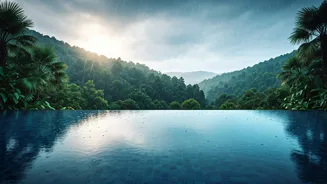
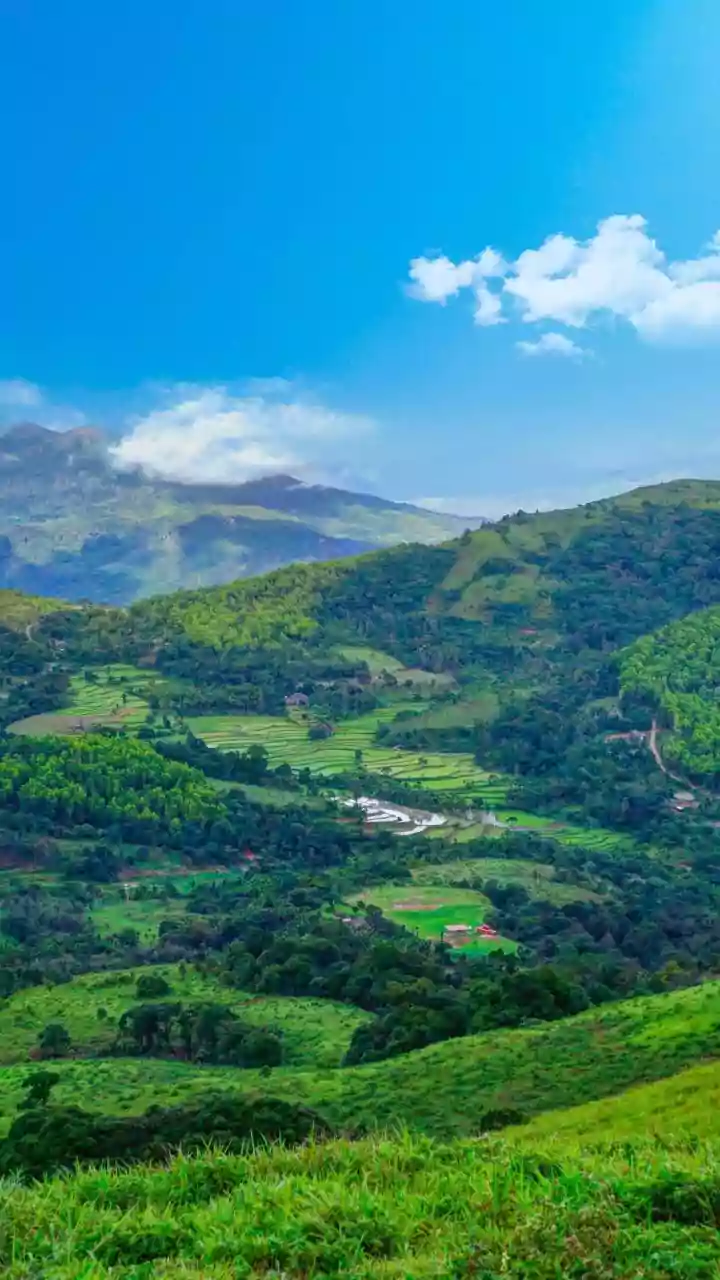
part of the equation. With tourist numbers plummeting, you get to experience iconic destinations in a state of relative tranquility. That world-famous beach? You might just have it to yourself. That bustling market? You can browse at a leisurely pace and chat with vendors. Beyond the absence of crowds, the landscape itself transforms. The rain washes away the dust of the dry season, leaving behind a world of astonishing vibrancy. Jungles become a thousand shades of electric green, waterfalls thunder with renewed power, and the air feels cleaner. The dramatic, moody skies and the sound of rain on a tin roof create a cozy, romantic atmosphere that you simply can't find during the sunny high season. It’s a more authentic, introspective way to see a country, trading frantic sightseeing for genuine immersion.
The 'Price' Part: Five-Star Perks on a Three-Star Budget
This is where the argument becomes undeniable for budget-conscious travelers who don't want to skimp on quality. During the off-season, the laws of supply and demand work squarely in your favor. Airlines slash prices to fill seats, and hotels offer steep discounts to fill rooms. It's not uncommon to find luxury accommodations—the kind with infinity pools and impeccable service—for 30% to 50% less than their peak-season rates.
These savings extend beyond your room and flight. Tour operators, desperate for business, are more likely to offer private tours for the price of group excursions. Spas run promotions, and high-end restaurants that are normally booked months in advance might welcome you as a walk-in. This financial freedom allows you to upgrade your entire experience. You can say 'yes' to the cooking class, the extra-long massage, or the better bottle of wine, all while staying within a modest budget. You're effectively getting a premium, all-inclusive-style experience for a fraction of the cost.
The Reality Check: It Does Rain
Let’s be clear: it’s called the rainy season for a reason. But the reality is often far from the imagined week-long, biblical deluge. In many popular monsoon destinations, like Thailand or Costa Rica, the rain is predictable and manageable. It typically comes in short, intense bursts in the late afternoon. This creates a natural rhythm for your day: explore in the morning, then retreat to a cafe, your hotel balcony, or a spa for a few hours while the storm passes, and head back out for the evening.
The key is flexibility. Some hiking trails may be muddy, and boat trips could be cancelled on very stormy days. You'll need to pack accordingly: bring a light rain jacket, quick-dry clothing, and waterproof bags for electronics. But for the savvy traveler, these are minor inconveniences. The rain is simply part of the experience, an atmospheric event that clears the air and leaves the world glistening and refreshed.
Where to Go for a Premium Monsoon Trip
This strategy works best in tropical regions with distinct wet and dry seasons. Here are a few ideas to get you started:
Southeast Asia (e.g., Thailand, Vietnam, Cambodia): From roughly June to October, this region comes alive. The rice paddies are brilliantly green, the ancient temples of Angkor Wat are beautifully reflected in pools of water, and the reduced tourist traffic makes for a much more pleasant visit.
Costa Rica: The 'green season' from May to November is a paradise for nature lovers. The rainforests are teeming with life, and while the Pacific coast sees afternoon showers, the Caribbean side often remains drier. It’s the perfect time for wildlife spotting and enjoying the country's famous 'Pura Vida' lifestyle at a slower pace.
India (specifically Kerala): While a country-wide monsoon can be intense, Kerala in southern India has turned its rainy season into a wellness attraction. It's considered the best time for Ayurvedic treatments, as the moist, cool air is believed to help the body absorb the medicinal oils. It's a unique and deeply restorative experience.