
The Billion-Dollar Palate Shift
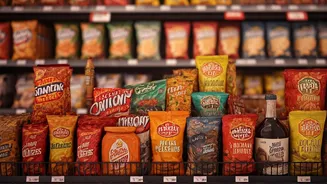
For decades, the American supermarket was a predictable landscape of salt, fat, and sugar, with 'international' flavors often limited to mild Italian-American sauces or Anglicized Chinese takeout profiles. That era is definitively over. Today’s consumers,
particularly Millennials and Gen Z, have palates shaped by global travel, food blogs, and diverse urban food scenes. They don't just tolerate spice; they demand it. They crave complexity, novelty, and a sense of authenticity. This shift has created a massive business opportunity. The market for ethnic foods in the U.S. is booming, with Indian cuisine leading a significant part of that growth. Consumers are no longer content with a generic 'curry powder.' They’re learning the difference between a South Indian sambar and a North Indian rogan josh. Food companies, always on the hunt for the next growth category, see a clear directive: if you can’t bring the consumer to the dhaba (a traditional Indian roadside eatery), you’d better find a way to bring the dhaba to the consumer.
From Roadside Stand to R&D Lab
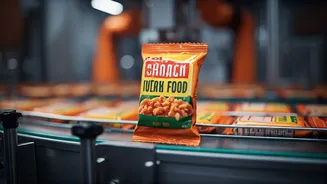
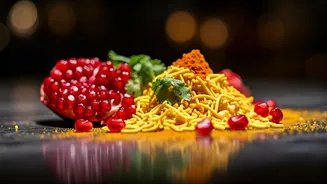
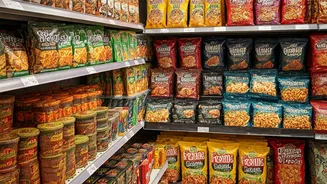
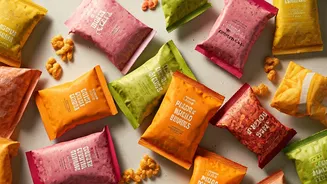
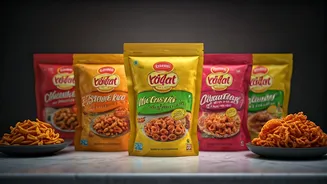
Capturing 'masala magic' is far more complicated than just adding turmeric and cumin to a product. The flavors of Indian roadside cuisine are built on layers: the smoky char from a tandoor, the funk of fermentation, the bright kick of fresh cilantro and mint, and the proprietary spice blends (masalas) that can vary from one vendor to the next. These are fleeting, volatile compounds that are notoriously difficult to stabilize in a packaged product designed to sit on a shelf for months. This is where food scientists become culinary detectives. They use techniques like gas chromatography to identify the specific aroma molecules that make a dish like pav bhaji or chaat so irresistible. They then work backwards, trying to replicate that profile using shelf-stable spice extracts, natural flavorings, and processing techniques. PepsiCo's Frito-Lay, for example, has successfully marketed its 'India's Magic Masala' Lay's chips in the U.S. after their wild popularity in India. The goal isn't just to mimic a single spice, but to orchestrate a full sensory experience—the tangy, the spicy, the savory, and the sweet—that unfolds in the mouth just like the real thing.
The Authenticity Tightrope
Herein lies the central paradox: the more you scale a flavor, the harder it is to maintain its 'authentic' soul. The very thing that makes roadside food special is its imperfection and regional specificity. A corporate test kitchen, by contrast, must create a product that is 100% consistent from batch to batch and palatable to a broad national audience. This often means dialing back the heat, smoothing out the boldest flavors, and avoiding unfamiliar ingredients. Companies walk a fine line. Go too generic, and you lose the food-savvy consumers you were trying to attract in the first place. Go too authentic, and you might alienate a mass market not yet ready for the intense funk of black salt or the bitterness of fenugreek. This dance is also a cultural one. Brands must be careful to engage with these culinary traditions respectfully, avoiding the pitfalls of cultural appropriation. The most successful efforts often involve collaboration with chefs from the culture or framing the product as 'inspired by' a specific dish, rather than claiming it’s a direct replacement.
Beyond the Chip Aisle
This quest for regional, authentic flavor isn’t confined to snacks or Indian food. It represents the next frontier for the entire packaged food industry. We're seeing a move away from monolithic categories like 'Mexican' or 'Asian' and toward granular specificity. Think marinades inspired by Oaxacan moles, frozen meals highlighting regional Thai curries, or spice blends that capture the unique flavor of Lebanon's za'atar. The same impulse driving the hunt for 'masala magic' is pushing brands to explore the nuances of Sichuan peppercorns, Filipino adobo, and West African jollof rice. For the American consumer, this is an unqualified win. The supermarket aisle is slowly transforming into a library of global flavors, offering a low-stakes way to explore the world's cuisines. It pushes our collective palate forward, making us more adventurous eaters and creating demand for even more diverse and interesting products down the line.