



The Risk of Spoilage and Scarcity
The primary threat monsoons pose to your pet's mealtime isn't just a wet bag of kibble. It's the potential for extended power outages and logistical disruption. Severe storms can knock out electricity for hours or even days, turning your refrigerator
and freezer into ticking time bombs for perishable pet food. Any raw, freshly cooked, or refrigerated meals can quickly spoil and grow harmful bacteria like Salmonella and E.coli, posing a serious health risk to your dog or cat. Beyond spoilage, intense storms can lead to flash flooding, road closures, and overwhelmed local stores, making a quick trip for more food impossible. Vets stress that waiting until the storm hits to check your supply is a recipe for disaster. The goal of monsoon meal planning is to ensure you have a safe, accessible, and sufficient supply of food to ride out any disruption without inducing panic for you or your pet.
Build a Storm-Proof Pantry
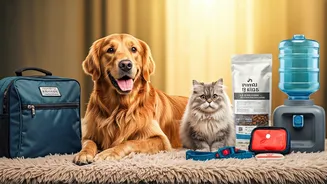
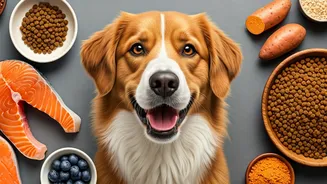
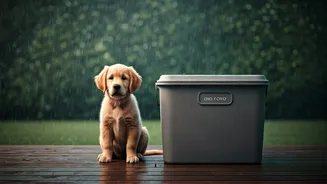
Creating an emergency food stash is the cornerstone of monsoon preparedness. The general rule is to have a minimum of five to seven days' worth of food for each pet in your household. For most, this means focusing on shelf-stable options. Dry kibble is a great choice, as long as it's stored correctly. Transfer it from its original paper bag—which is susceptible to moisture and pests—into an airtight, waterproof container. Canned wet food is even better for emergency situations. It has a long shelf life, the sealed cans protect it from contamination, and it provides extra hydration, which is a bonus. Don't forget the essentials: pack a manual can opener and a set of dedicated pet food bowls in your kit. To keep your emergency supply fresh, practice the "first-in, first-out" method: when you buy new food, add it to the back of your pantry and move the older food to the front to be used first.
Don't Overlook Water Safety
Food is only half the equation; a safe water supply is just as critical. After a major storm, municipal water sources can become contaminated due to flooding and power failures at treatment plants. You may be advised to boil tap water for your own consumption, and the same caution should apply to your pets. Relying on puddles or outdoor water sources is extremely dangerous, as this water can be filled with bacteria, parasites, chemicals, and other runoff. The safest bet is to store a dedicated supply of clean water for your pets. A common guideline is to have one gallon of water per person (or large pet) per day. Store commercial bottled water in a cool, dark place. For a multi-day emergency, this ensures your pet stays hydrated and healthy without you having to risk using a potentially compromised water source.
Address Stress and Special Diets
Monsoons don't just affect the power grid; they affect your pet’s state of mind. The drop in barometric pressure, booming thunder, and howling winds can cause significant anxiety in dogs and cats. This stress can often manifest as a loss of appetite. During an already stressful event, a pet refusing to eat is an added worry. To combat this, consider including some high-value, extra-palatable items in your emergency kit. A favorite brand of wet food, a gravy topper, or special treats can entice an anxious pet to eat. If your pet is on a prescription diet or requires refrigerated medication like insulin, planning is even more crucial. Speak with your veterinarian *before* the season starts. They can help you devise a strategy, which might include having a supply of a shelf-stable version of their prescription food, obtaining an extra vial of medication, and having a plan (like a generator or cooler with ice packs) to maintain proper temperature for as long as possible.