



The Town at the Edge of the World
For most travelers, even seasoned ones, Munsiyari is a name that draws a blank. Tucked away in the Kumaon region of Uttarakhand, a northern Indian state bordering Nepal and Tibet, it’s not exactly on the way to anywhere. Reaching it requires a long, winding,
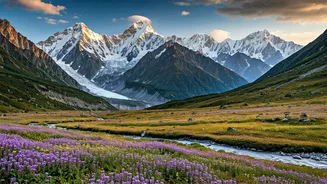
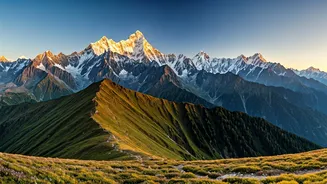
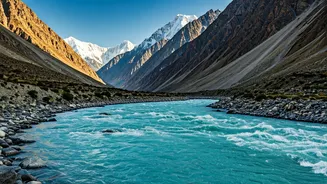
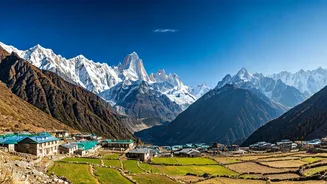
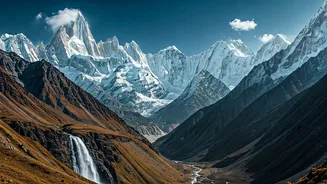
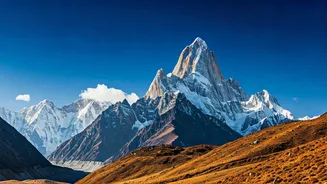
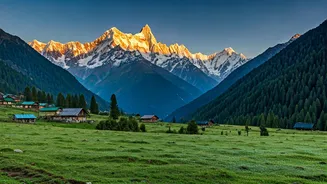
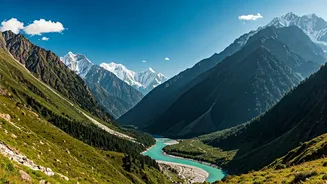
and often breathtakingly narrow drive through the Himalayan foothills. For centuries, it was a quiet waystation on ancient trade routes, a place known mostly to merchants, pilgrims, and the local Johari people. But Munsiyari’s obscurity is its greatest asset. It sits in a bowl-shaped valley at an altitude of over 7,200 feet, offering an unobstructed, panoramic view of some of the world’s most stunning mountains. It’s a place that feels like an end-of-the-road destination, where the main event is simply looking up.
The Five Hearths of Legend
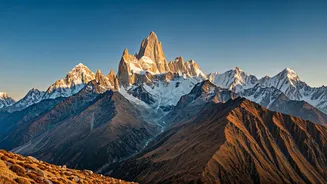
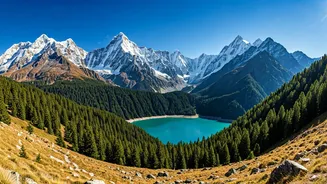
The peaks that dominate the skyline aren’t just a dramatic backdrop; they are woven into the very fabric of Indian mythology. The name “Panchachuli” translates to “five hearths” or “five chimneys.” According to local legend and a tale from the epic Mahabharata, these five peaks are where the five Pandava brothers cooked their last meal before ascending to heaven. This story imbues the mountain range with a sacred reverence. It’s not just a geological formation but a celestial landmark, a place of profound spiritual significance. For the people of Munsiyari, the peaks are a constant, living presence—dictating weather, inspiring folklore, and serving as a daily reminder of a world where myth and reality blur. This deep cultural connection elevates the view from merely scenic to deeply meaningful.
A Gateway to High Adventure
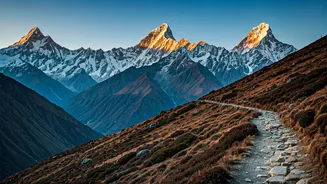
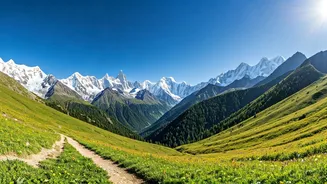
While many visitors are content to sit with a cup of chai and watch the shifting light on the peaks, Munsiyari earned its spot on the map primarily as a launchpad for the intrepid. It is the main base for some of India’s most challenging and rewarding treks, including the routes to the Milam and Ralam Glaciers. For decades, it was a must-visit hub for mountaineers and hardcore trekkers who needed to acclimate, hire guides, and secure permits. This reputation as a serious trekking hub gave Munsiyari its initial fame within a niche community. These adventurers brought back stories not just of the glaciers, but of the astonishingly beautiful town they started from, slowly building its legend word-of-mouth at a time before Instagram could do it instantly.
More Than Just a Mountain View
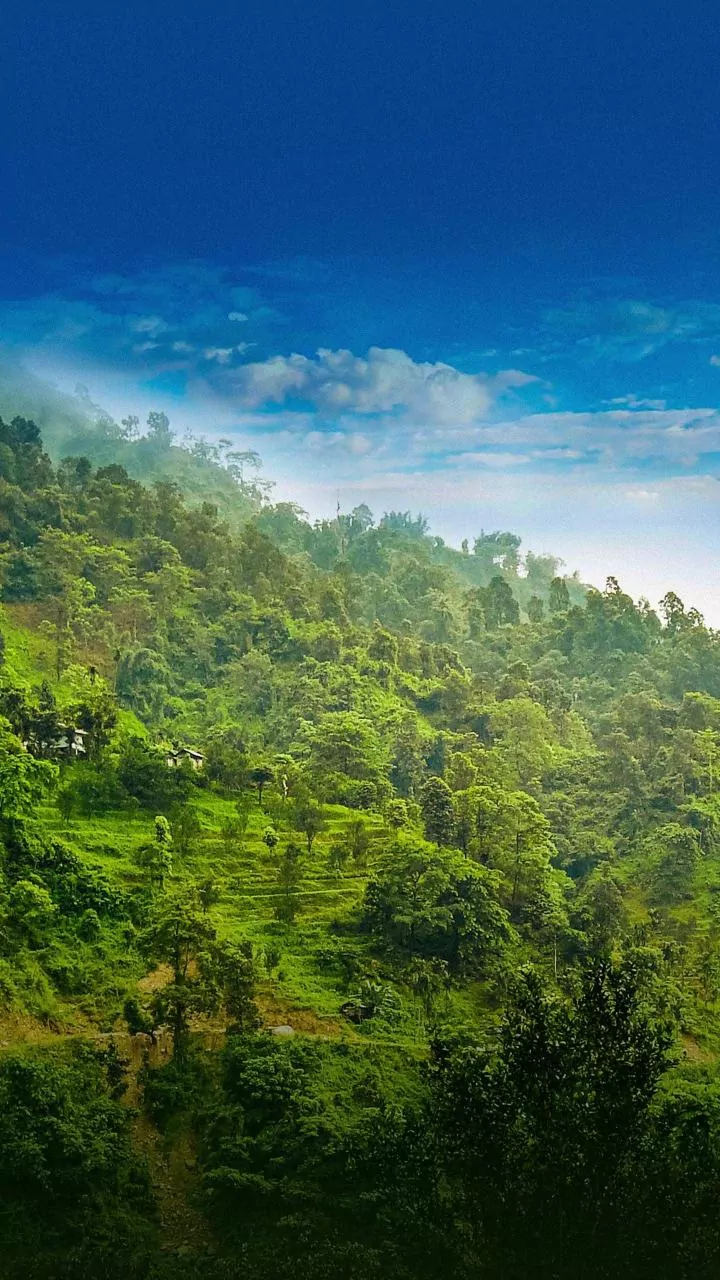
As Munsiyari’s popularity has grown, travelers are discovering that the town is a destination in its own right. The narrow streets are dotted with small guesthouses and shops selling local handicrafts, particularly intricately woven carpets and shawls made from sheep’s wool. The Tribal Heritage Museum offers a fascinating glimpse into the history of the Bhotia people, who have long navigated these high-altitude trade routes. Visitors can explore the dense forests of rhododendron and deodar cedar on day hikes to places like Khaliya Top, which offers an even more expansive high-altitude vista. The town’s culture is a unique blend of Kumaoni and Bhotia traditions, a resilient identity forged by isolation and a deep respect for the harsh but beautiful environment. It’s a place to slow down, breathe in the crisp mountain air, and connect with a simpler way of life.