



The Rise of the Responsible Aesthetic
For years, the houseplant craze has been fueled by aesthetics. The perfect fiddle-leaf fig in the corner of an influencer’s apartment, the trailing pothos on a meticulously curated bookshelf—these were badges of horticultural honor. But a new, more thoughtful
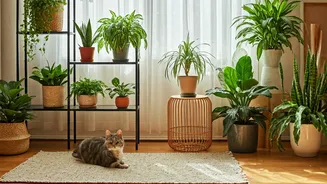
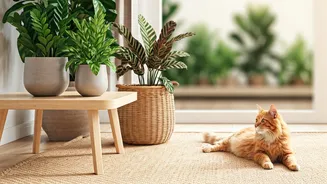
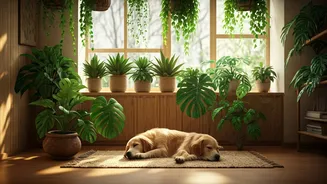
trend is taking root. As millennials and Gen Z, the generations most likely to be both “plant parents” and “pet parents,” merge their passions, a new priority has emerged: safety. The real flex isn't just keeping a plant alive; it's cultivating a beautiful space that’s also a safe haven for the four-legged members of your family. It signals care, research, and a level of consideration that goes beyond a simple visual. It says, 'I have my life together enough to protect all its inhabitants.'
The Spider Plant: An Old-School Classic
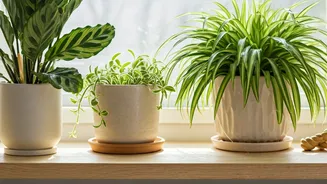
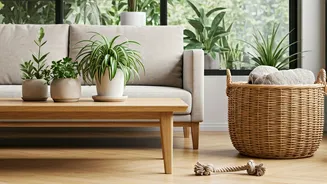
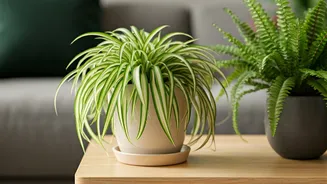
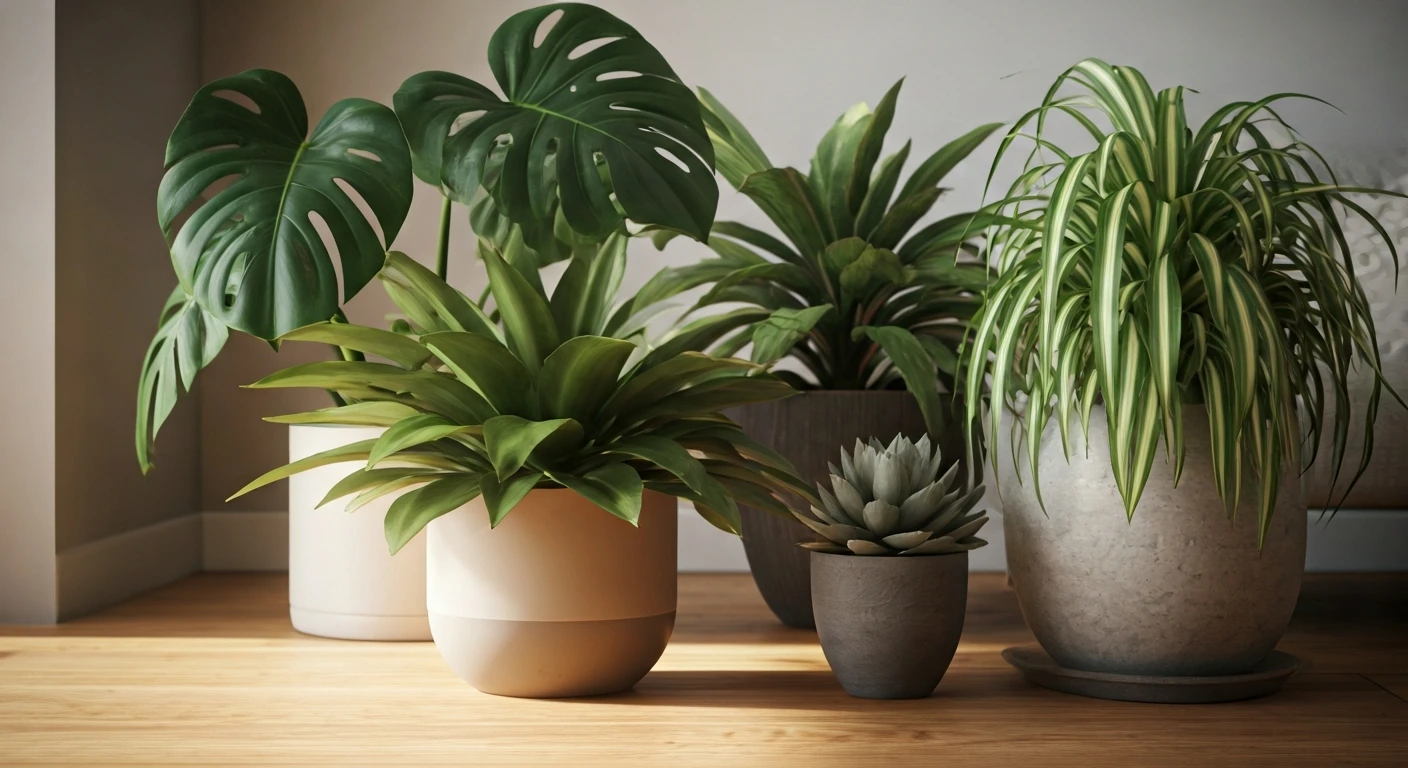
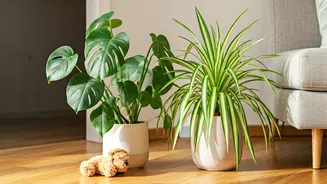
This isn’t your grandma’s dusty plant in the corner anymore. The spider plant (Chlorophytum comosum) has made a major comeback, and for good reason. It’s incredibly resilient, making it perfect for beginner plant parents. Its arching leaves and cascading “spiderettes” (baby plants) offer a dynamic, sculptural look that works in hanging baskets or on high shelves. Best of all, it’s completely non-toxic to both cats and dogs. According to the ASPCA, it’s one of the safest and most popular choices. The flex? You have a classic, air-purifying workhorse that’s also a safe snack-accident waiting to happen (without the vet bill).
The Calathea Family: For the Drama Lover
If you want pattern and color, look no further than the Calathea family, also known as prayer plants. With varieties like the Rattlesnake Plant or the Peacock Plant, their foliage features stunning, intricate designs in shades of green, pink, and purple. They have a fascinating habit of folding their leaves up at night, like hands in prayer, adding a touch of living magic to your space. While they demand a bit more attention—they prefer high humidity and filtered light—their beauty is a worthy reward. Being completely pet-safe, they allow you to go bold with your decor without risking your pet’s health. The flex here is showcasing your nurturing skills with a diva plant that’s a safe diva.
The Parlor Palm: Tropical Vibes, No Worries
Want to turn your living room into a miniature tropical oasis? The Parlor Palm (Chamaedorea elegans) is your go-to. This slow-growing, elegant palm brings a touch of Victorian charm and lush, green texture to any room. It’s relatively low-maintenance and thrives in lower light conditions, making it perfect for apartments that don’t get blazing sun. Its feathery fronds are often tempting for curious cats to bat at, and you can rest easy knowing that a little nibble won’t cause any harm. It’s a statement plant that creates an instant calming atmosphere, proving you can have a sophisticated, resort-like feel that’s also Fido-approved.
The Money Tree: Good Fortune for All
The Money Tree (Pachira aquatica), with its signature braided trunk and star-shaped leaves, is often kept for bringing good luck and financial fortune. But its real value for pet owners is that it's non-toxic. This plant makes a fantastic focal point, adding a bit of whimsy and natural structure to a room. It’s easy to care for, requiring bright, indirect light and moderate watering. Having a Money Tree shows you’re invested in good vibes and, more importantly, in your pet’s well-being. The ultimate prosperity is a happy, healthy home for everyone who lives there, paws included.
The Watch List: Popular but Problematic
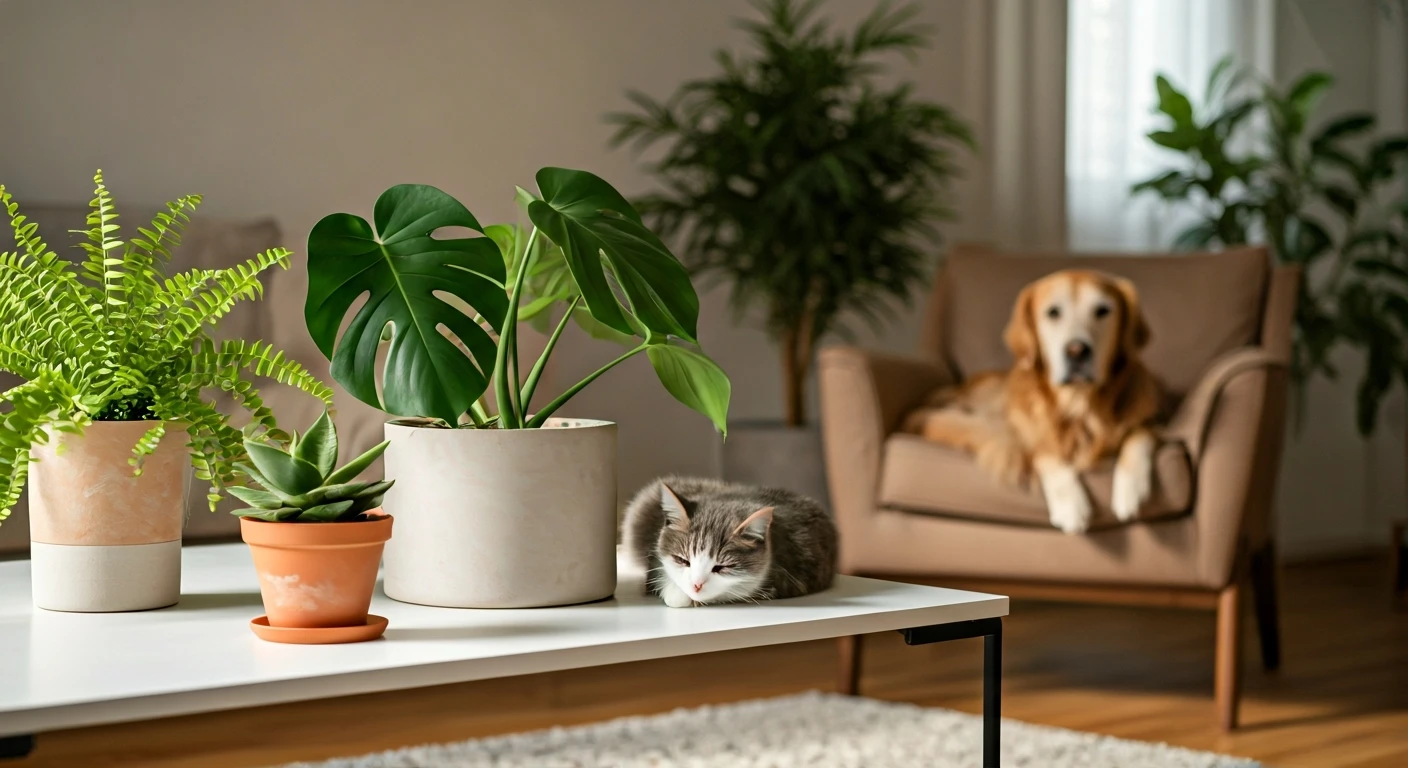
Part of the pet-safe flex is knowing what *not* to have. Many of the most popular houseplants on social media are unfortunately toxic to pets. Lilies are extremely dangerous for cats, causing kidney failure from just a small exposure. The ubiquitous Monstera Deliciosa, Sago Palm, Snake Plant, and Pothos can all cause varying degrees of oral irritation, vomiting, and other unpleasant symptoms if ingested by cats or dogs. Being an informed plant owner means gracefully sidestepping these popular picks in favor of equally beautiful, safer alternatives.