



Grand Falls, Arizona
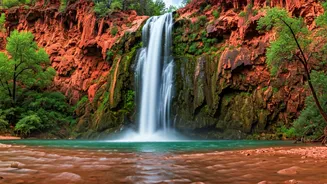
Often called the “Chocolate Falls,” Grand Falls is a spectacle of raw, untamed power. Located on the Navajo Nation in northern Arizona, this waterfall is wider than Niagara Falls and, for much of the year, it’s little more than a trickle or completely
dry. But after heavy monsoon rains swell the Little Colorado River, it transforms into a thundering, multi-tiered curtain of sediment-rich water. The muddy, opaque flow is precisely what makes it so dramatic; it’s a testament to the sheer force of the water carving its way through the Painted Desert. The falls are most active from March to April due to snowmelt, but they can roar back to life with a vengeance during a strong summer monsoon in July and August. Timing is everything, so checking recent rainfall upstream is key to catching the show.
Seven Falls, Arizona
Tucked away in the Sabino Canyon Recreation Area near Tucson, Seven Falls is the quintessential desert oasis. Reaching it requires a moderately challenging hike through the Sonoran Desert, a journey that makes the destination feel truly earned. You’ll cross Sabino Creek multiple times as you ascend into the canyon, surrounded by saguaros and rocky cliffs. After a few miles, the reward appears: a magnificent chain of cascades and pools tumbling down a steep rock face. During the monsoon season, the flow intensifies from a gentle stream into a robust cascade, filling the pools with cool, clear water perfect for a mid-hike dip. It’s a stunning contrast—a lush, riparian paradise thriving in the heart of an arid landscape, all thanks to the seasonal rains.
Cibecue Falls, Arizona
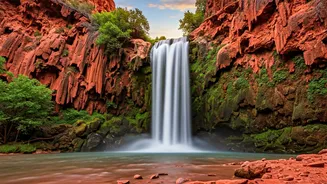
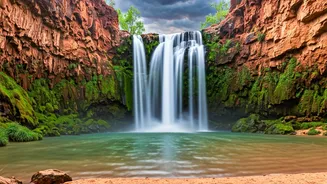
For the adventurous soul, Cibecue Falls offers an unforgettable experience. Located on the White Mountain Apache Tribe reservation, accessing this waterfall requires a permit and a rugged drive, followed by a hike up the bed of the Cibecue Creek. The journey itself is part of the magic, as you wade through water and scramble over boulders in a narrow, steep-walled canyon. The payoff is a breathtaking 30-foot waterfall plunging into a deep, turquoise pool. The vibrant color of the water against the red canyon walls is spectacular. The monsoon rains ensure the creek is flowing and the waterfall is at its most photogenic, creating a secluded paradise that feels worlds away from the surrounding drylands. It’s a powerful reminder of how water shapes and defines the land.
Zion's Ephemeral Falls, Utah
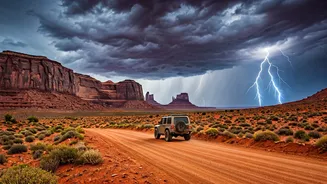
Zion National Park is famous for its permanent water features, like the Virgin River. But the monsoon season brings an entirely different and fleeting phenomenon. When a powerful thunderstorm rolls through the canyon, the towering sandstone cliffs that are normally dry suddenly come alive. Dozens, sometimes hundreds, of temporary waterfalls appear, gushing down the sheer rock faces in dramatic plumes. These “flash falls” can last for just a few hours, offering a rare and almost mystical sight. Finding a safe spot to watch the canyon walls weep with rain is a highlight for any visitor lucky enough to be there at the right moment. It’s a powerful display that showcases the dynamic, ever-changing nature of this iconic landscape.
Bridal Veil Falls, New Mexico
While Colorado has a more famous waterfall by the same name, New Mexico’s Bridal Veil Falls offers its own unique charm, especially during monsoon season. Located in the Jemez Mountains, this delicate waterfall is easily accessible via a short trail, making it a perfect family-friendly stop. The falls cascade gracefully over a moss-covered rock overhang, creating a shimmering curtain of water that pools below. Though it flows year-round, the summer monsoons give it a welcome boost, transforming it from a gentle trickle into a fuller, more vibrant display. It’s a serene and picturesque spot that captures the life-giving essence of the seasonal rains in the high-altitude forests of the Southwest.