





The Seductive Promise of 'Insta-Health'
Scroll through any social media feed and you’ll see it: influencers touting detox teas that promise to banish bloat overnight, restrictive 7-day diet plans guaranteeing dramatic weight loss, and expensive supplements positioned as a cure-all for fatigue
and brain fog. This is the world of quick-fix wellness. It thrives on selling an outcome without the process. In our culture of instant downloads and on-demand everything, it’s only natural that we’d want the same for our bodies. Marketers are experts at packaging this desire, using compelling before-and-after photos and urgent language to convince us that this one product, this one trick, is the only thing standing between us and our ideal selves. It’s a powerful narrative, but it’s built on a foundation of sand.
The Biological Backlash Is Real
Our bodies are not designed for quick fixes; they are designed for equilibrium. When you drastically cut calories or eliminate entire food groups, your body’s survival instincts kick in. It doesn’t know you’re trying to fit into a certain outfit; it thinks there’s a famine. In response, it can slow down your metabolism to conserve energy, making future weight management even harder. Many “cleanses” and “detoxes” are essentially just diuretics or laxatives, causing you to lose water weight, not actual fat. This creates a deceptive, temporary result that vanishes as soon as you rehydrate. Furthermore, these extreme protocols can lead to nutrient deficiencies, muscle loss (not fat loss), and a disruption of the delicate gut microbiome that is crucial for overall health.
The Mental and Emotional Toll
Perhaps the most significant damage from the quick-fix cycle isn’t physical—it’s psychological. These trends set up a toxic cycle of extreme restriction followed by an almost inevitable rebound. When the diet “ends” or you can’t maintain the impossible standard, you may feel like you’ve failed. This can lead to feelings of guilt, shame, and decreased self-worth. You might binge on the very “forbidden” foods you were avoiding, reinforcing the idea that you lack willpower. This erodes your relationship with food and your body, turning eating into a source of anxiety rather than nourishment and pleasure. True wellness doesn’t involve a war against your own body; it’s about learning to work with it.
Embracing the Slow and Steady Path
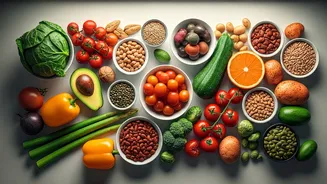
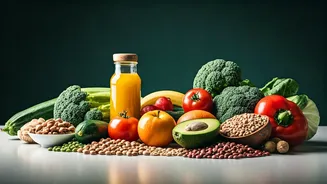
So, what’s the alternative? It’s less glamorous but infinitely more effective: consistency. Instead of a 7-day shred, what about a 15-minute walk every day for a month? Instead of eliminating carbs, what about adding one more vegetable to your dinner plate? This approach is about building small, sustainable habits that become an effortless part of your routine. Focus on addition, not just subtraction: add more water, more fiber, more sleep, and more movement you genuinely enjoy. This method doesn’t provide a dramatic before-and-after shot for Instagram, but it does build a foundation for lifelong health without the accompanying guilt and metabolic disruption. It’s about progress, not perfection.