






Why We're All Chasing Protein
For years, nutrition conversations were dominated by cutting carbs or slashing fat. Today, the focus has shifted squarely to protein. This isn't just a fad for bodybuilders; it's a mainstream movement driven by a few key benefits that resonate with everyday
life. First and foremost is satiety—the feeling of fullness. Protein is more satiating than carbohydrates or fats, meaning a protein-rich meal can help you feel fuller for longer, curbing the urge to snack between meals. This has made it a powerful tool for weight management. Furthermore, as we age, maintaining muscle mass becomes crucial for metabolism, strength, and overall health. Adequate protein intake is essential for muscle repair and synthesis. It’s the foundational building block for our bodies, and people are finally treating it that way, seeking out easy ways to boost their daily intake without overhauling their entire diet.
The Comeback Kid: Cottage Cheese
So, what is this magic habit? It’s the enthusiastic adoption of cottage cheese. Yes, the humble dairy product once relegated to sad diet plates of the 1980s is now the star of a full-blown renaissance, thanks in large part to social media. A single cup of low-fat cottage cheese can pack a whopping 25-28 grams of protein, often more than a serving of Greek yogurt or a couple of eggs. This makes it an incredibly efficient way to hit your protein goals. Unlike many protein powders that can be gritty or have an artificial aftertaste, cottage cheese is a whole food with a mild, versatile flavor. Viral TikTok recipes showcasing cottage cheese blended into creamy ice cream, smooth pasta sauces, and fluffy pancake batter have demonstrated its chameleon-like ability to add a protein punch to nearly any meal, transforming it from a lumpy side dish into a powerhouse ingredient.
More Than Just a Scoop
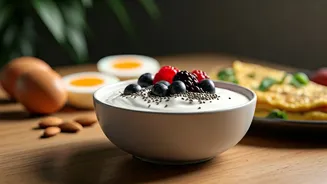
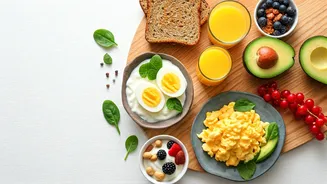
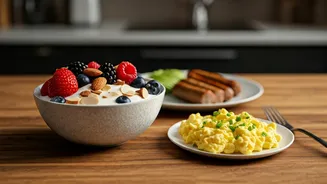
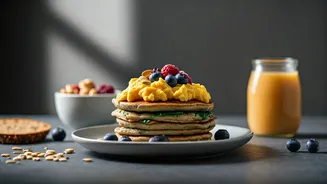
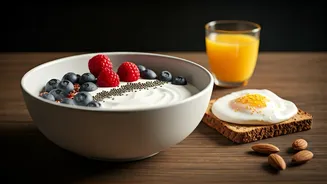
The real genius of this habit is its versatility. The days of topping a scoop with a slice of canned pineapple are long gone. The modern way to eat cottage cheese is creative and delicious. For a savory breakfast or lunch, try a "cottage cheese bowl." Top a cup of it with everything-bagel seasoning, sliced avocado, cherry tomatoes, and a drizzle of hot honey. For a sweet treat, blend it with a frozen banana and a spoonful of cocoa powder for a high-protein mousse. It can also be whipped in a blender until perfectly smooth and used as a base for dips, a creamy spread on toast, or a substitute for ricotta in lasagna. By folding it into scrambled eggs before cooking, you get an incredibly custardy texture and a significant protein boost to start your day. This adaptability is key to its staying power; it doesn't feel like a restrictive diet food but a flexible culinary staple.
What Nutrition Experts Say
Dietitians are largely on board with the cottage cheese revival, pointing to its impressive nutrient profile. It's not just a protein bomb; it's also rich in calcium for bone health and B vitamins for energy. The slow-digesting casein protein in cottage cheese is particularly effective at promoting satiety and preventing muscle breakdown, making it an excellent evening snack. However, experts offer a couple of caveats. First, check the sodium content. Brands can vary significantly, and some can be quite high, so it’s worth comparing labels. Second, while it's a fantastic food, a balanced diet is still key. Relying on any single food for your protein needs isn't ideal. The goal should be to use cottage cheese as one of many high-quality protein sources in a varied diet that also includes lean meats, fish, beans, and legumes. For most people, incorporating it a few times a week is a sustainable and healthy strategy.