



Upgrade Your Outer Shell
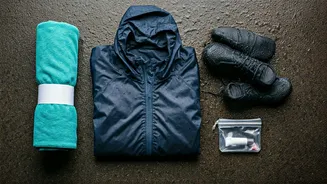
The flimsy, plastic-bag poncho has had its day. Modern rain jackets are the cornerstone of any serious wet-weather kit. Forget the bulky, clammy coats of the past; today’s technical shells are lightweight, breathable, and highly packable. Look for jackets with
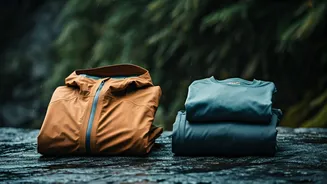
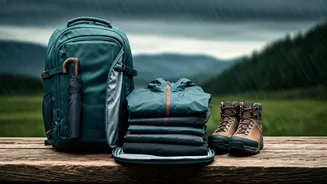
a “2.5L” or “3L” construction, which refers to the layers of fabric and waterproof membrane. Gore-Tex is the famous name, but many brands have excellent proprietary technologies that offer similar performance. Key features to demand: sealed seams (tape over the stitching to prevent leaks), an adjustable hood with a stiffened brim to keep rain out of your eyes, and “pit zips” (underarm zippers) for ventilation when you’re on the move. A good shell isn't just for downpours; it's also a perfect windbreaker for chilly, dry days, making it a versatile travel MVP.
Rethink Your Footwear
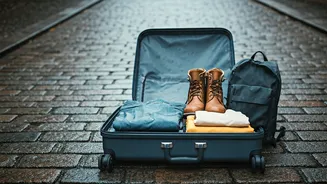
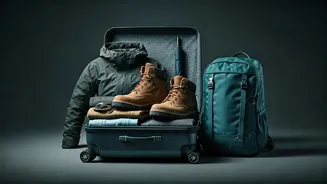
Soggy socks are a vacation-killer. While clunky, knee-high rain boots have their place, they are an impractical packing nightmare for most trips. The modern solution is a waterproof shoe that doesn't scream “I’m ready for a flood.” Many companies now offer stylish, city-friendly boots and even sneakers with fully waterproof membranes. These look like regular footwear but will keep you completely dry while sloshing through puddles from the museum to the cafe. Look for brands that specialize in outdoor or all-weather gear. Pro tip: no matter how waterproof your shoes are, always pack at least one extra pair of moisture-wicking socks, preferably made of merino wool. They can make a world of difference in comfort and prevent blisters.
Protect Your Valuables
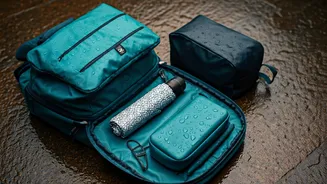
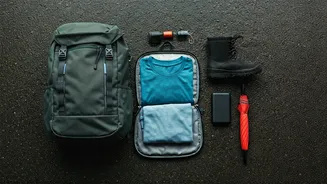
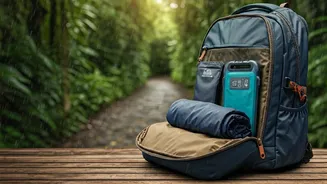
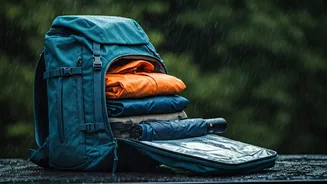
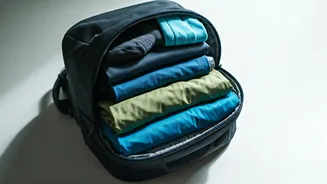
It’s one thing for your jeans to get damp; it’s another for your laptop, camera, or passport to get soaked. Protecting your gear is non-negotiable. The easiest all-in-one solution is a waterproof or highly water-resistant backpack. These often feature roll-top closures and welded seams, borrowing technology from an expedition-grade dry bag. If you love your current travel bag, you can retrofit it for the rain. Invest in a dedicated rain cover for your backpack—a cheap and effective shield. For an extra layer of security, use small, lightweight dry sacks inside your main bag to compartmentalize and protect electronics, important documents, and a spare set of dry clothes. This way, even if the outer bag gets drenched, your essentials remain pristine.
Don't Forget Your Bottom Half
An excellent raincoat is only half the battle. Once the rain really starts coming down, water will run off your jacket and directly onto your thighs, leaving your pants soaked in minutes. For truly wet destinations, like the Pacific Northwest, Scotland, or Southeast Asia during monsoon season, a pair of waterproof pants is not overkill—it's essential. Like jackets, modern rain pants are far from the sweaty plastic versions you might imagine. They are lightweight, packable, and often designed to be pulled on over your regular pants. For less extreme conditions, a pair of quick-dry travel pants made from synthetic materials is a fantastic alternative. They may get wet, but they’ll dry in a fraction of the time it takes for denim or cotton, often while you’re still wearing them.
Embrace the Merino Wool Base
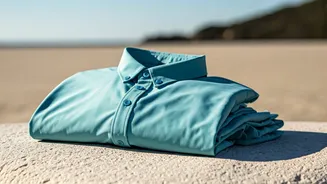
What you wear underneath your rain shell is just as important as the shell itself. The golden rule of wet-weather dressing is to avoid cotton. Cotton absorbs moisture and holds it against your skin, making you feel cold and clammy. Enter merino wool, the traveler’s secret weapon. This natural fiber has remarkable properties: it wicks moisture away from your body, it continues to insulate even when damp, and it’s naturally odor-resistant, meaning you can wear it for several days without washing. A lightweight merino wool t-shirt or long-sleeve shirt serves as the perfect base layer. It regulates your temperature, keeping you comfortable whether you’re hiking a misty trail or dashing between covered awnings in a rainy city.