






The Foundation of Healthy Hair
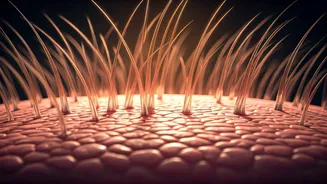
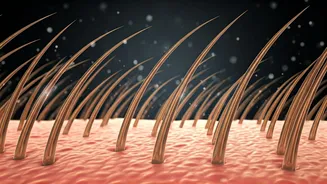
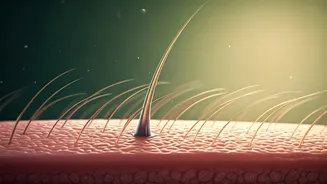
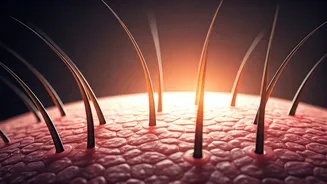
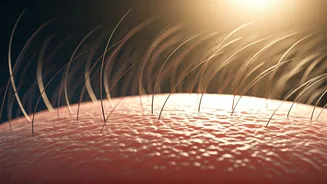
Think of your scalp as the soil in a garden. You can’t grow lush, vibrant plants in depleted, unhealthy soil, and the same principle applies to your hair. Each strand of hair grows from a follicle, a tiny pocket embedded in your scalp. The health of that
follicle—and by extension, the hair it produces—is directly dependent on the condition of its surrounding environment. The scalp is a complex ecosystem of blood vessels, oil glands, and microbes. When it’s balanced, it provides the perfect foundation for strong, healthy hair growth. When it’s inflamed, clogged, or out of balance, problems like breakage, thinning, and dullness are almost inevitable. We spend fortunes treating the visible hair, which is essentially dead protein, while ignoring the living, breathing system that creates it.
Signs Your Scalp is Crying for Help
Your scalp has its own ways of signaling distress, but they’re often misinterpreted or ignored. Persistent itchiness is a major red flag, not just a minor annoyance. It often points to inflammation, which can disrupt the hair growth cycle. Are you seeing flakes? Don't just dismiss it as standard dandruff. Flakes can be caused by dryness, an overgrowth of yeast, product buildup, or skin conditions like seborrheic dermatitis or psoriasis. Other telltale signs include excessive oiliness (your scalp may be overcompensating for being stripped of its natural oils), a feeling of tightness or soreness, and visible redness. If you’re noticing more shedding than usual, an unhealthy scalp could be a primary contributor, weakening the hair at the root before it even has a chance.
Rethink Your Cleansing Routine
The first step in any effective scalp care routine is proper cleansing. For many, this means unlearning old habits. If you use dry shampoo, styling creams, and sprays, a single wash might not be enough to remove the residue. This caked-on product buildup can clog follicles, suffocate the scalp, and lead to inflammation. Consider the “double cleanse” method popular in skincare: first with an oil-based cleanser or clarifying shampoo to break down product and sebum, followed by a second wash with your regular, hydrating shampoo. Furthermore, take a look at your shampoo’s ingredients. Harsh sulfates can strip the scalp, leading to dryness and irritation for some, while shampoos that are too heavy can leave behind a film. Look for a gentle, effective cleanser that leaves your scalp feeling clean but not tight.
Introduce Exfoliation and Treatment
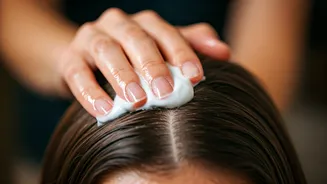
Just like the skin on your face, your scalp benefits from regular exfoliation to remove dead skin cells and stubborn buildup. This allows your follicles to breathe and better absorb nutrients. You have two main options. Physical exfoliants, like scalp scrubs with sugar or salt, manually slough away debris. Chemical exfoliants use ingredients like salicylic acid (a beta-hydroxy acid, or BHA) or glycolic acid (an alpha-hydroxy acid, or AHA) to dissolve the bonds holding dead skin cells together. For many, a pre-shampoo treatment with salicylic acid once or twice a week is a game-changer. After cleansing, you can apply targeted treatments. Scalp serums with ingredients like hyaluronic acid for hydration, peptides for follicle support, or tea tree oil for its anti-fungal properties can address specific concerns and rebalance your scalp’s microbiome.
Don't Forget to Nourish and Stimulate
A healthy scalp also needs proper circulation to deliver oxygen and vital nutrients to the hair follicles. One of the easiest and most effective ways to boost blood flow is through manual stimulation. When you’re applying your shampoo or a scalp serum, take an extra minute or two to massage your scalp with your fingertips (not your nails). Use firm, circular motions to cover the entire area. This not only feels fantastic and relieves tension, but it actively promotes a healthier environment for hair growth. Investing in a silicone scalp massaging brush can enhance this experience, helping to distribute product evenly and provide a deeper, more invigorating massage. It’s a simple, free step that can make a world of difference over time.