





A New Kind of Family Member
For many Americans, the concept of a pet being a full-fledged family member—a “fur baby”—is a given. But in India, this is a relatively recent cultural revolution. Traditionally, dogs and cats were often seen as utilitarian animals, guard dogs, or outdoor
strays. Today, particularly in urban centers like Mumbai, Bengaluru, and Delhi, a seismic shift is underway. Driven by rising disposable incomes, smaller nuclear families, and a dose of Western cultural influence via social media, pets have moved from the backyard to the bedroom. They are no longer just animals; they are companions, children, and sources of emotional support. This phenomenon, known as pet humanization, has created a generation of “pet parents” who lavish their animals with gourmet food, designer accessories, and, now, shared experiences. The thought of leaving this integral family member in a kennel while the rest of the family creates memories on vacation has become, for many, unthinkable.
The Rise of the 'Paw-sibility' Economy
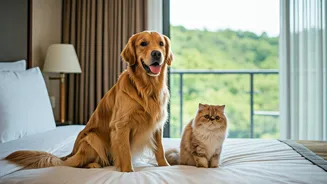
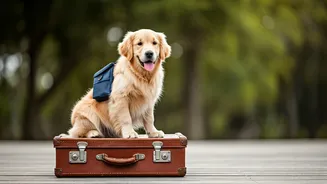
Where there is demand, a market soon follows. The desire for guilt-free holidays has ignited a booming niche industry across India. Entrepreneurs and established hospitality chains are waking up to the opportunity. We're not just talking about a hotel that begrudgingly allows a pet in a specific room. A new ecosystem is emerging, offering everything from curated pet-friendly travel itineraries to luxurious resorts with dedicated pet pools, special menus, and canine masseuses. Companies now specialize in “pet-cations,” arranging transportation and booking stays at vetted properties that don't just tolerate pets but welcome them. There are pet-specific taxis to navigate city traffic and long-distance travel, pet cafes that serve as social hubs, and even pet bakeries to supply vacation treats. This “paw-sibility” economy is a direct response to a consumer base that is willing to pay a premium to ensure their pet’s comfort and inclusion is on par with their own.
Navigating the Logistical Hurdles
While the private sector is adapting, the broader infrastructure in India presents significant challenges, making this trend largely a luxury for those who can afford it. Unlike in many parts of the U.S. or Europe, public transportation is a major roadblock. Indian Railways, the lifeblood of domestic travel, has extremely restrictive and complicated policies for pet travel, often limiting them to brake vans, which is a non-starter for attached pet parents. Similarly, domestic airlines have a patchwork of rules that make flying with a pet in the cabin difficult or impossible for many. This transportation gap is precisely what has fueled the market for private pet taxis and road-trip-centric holidays. Consequently, the most popular pet-friendly destinations are often driveable getaways from major cities—resorts in the mountains, villas on the coast, or sprawling farm stays where dogs have room to roam, far from the constraints of public infrastructure.
More Than Just a Trip
At its heart, this trend is about more than logistics or luxury; it’s about a fundamental change in the human-animal bond. For Indian pet parents, including their four-legged members in a family vacation is the ultimate expression of their status within the family. It’s about sharing a sunset on the beach, hiking a mountain trail together, and filling the family photo album with pictures that include everyone. The joy and social currency of posting photos of a dog happily splashing in a resort pool are immense. It cements the owner’s identity as a loving, modern pet parent. This emotional driver is arguably stronger than any practical consideration. The vacation is no longer just a break from work; it's an act of family bonding, and in this new definition of family, leaving someone behind is simply not an option.