



Beyond the Rooftop Solar Panel
When you hear “green apartment,” you might picture solar panels or low-flow toilets. While energy and water efficiency are still crucial, the new wave of sustainable urban living goes much deeper. The trend is now about creating holistically healthy environments.
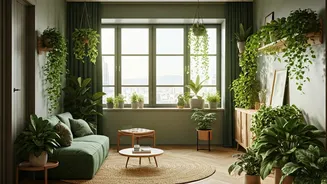
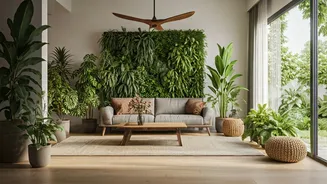
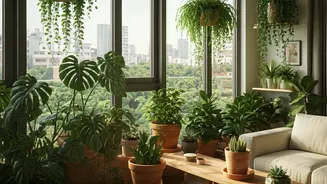
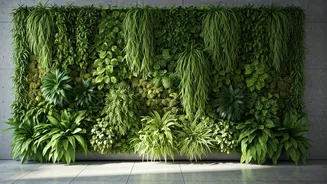
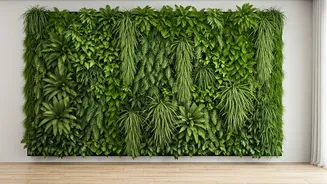
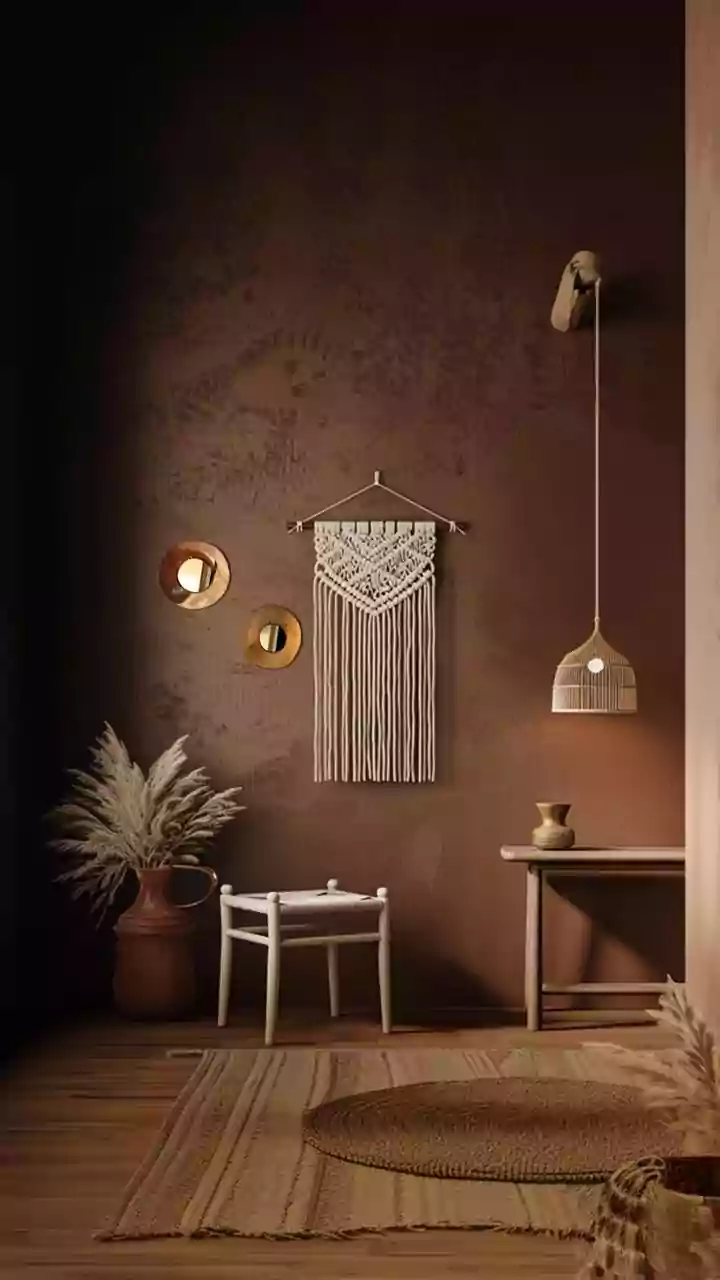
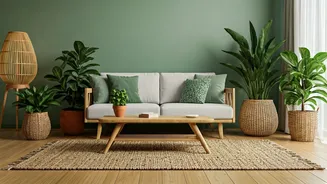
This includes biophilic design, an architectural approach that weaves natural elements directly into buildings. Think living walls of moss and ferns in the lobby, apartments designed to maximize natural light, and the use of natural, non-toxic materials like reclaimed wood and stone. The goal isn't just to get a LEED certification; it's to improve the daily well-being of residents. Buildings are being designed with enhanced air and water filtration systems, creating a healthier indoor environment that serves as a sanctuary from outdoor pollution. It’s a shift from simply being “less bad” for the planet to being actively “more good” for the people inside.
The 'Grounded' Revolution in Amenities
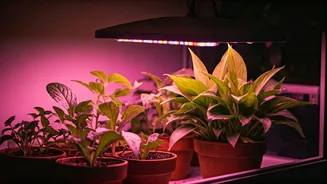
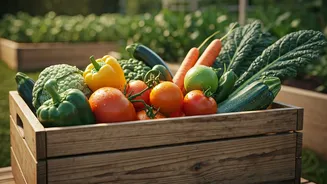
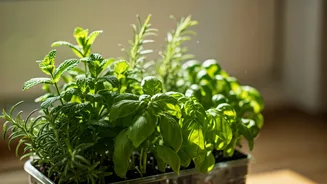
The 'grounded' aspect of this trend is where the most significant cultural shift lies. For years, the peak of apartment luxury was the rooftop infinity pool or the high-tech fitness center. Today, those are being supplemented—and sometimes replaced—by amenities that foster connection and earthiness. We’re seeing the rise of community gardens, where residents can grow their own vegetables and herbs, sometimes with guidance from a staff horticulturalist. Instead of a sterile business center, there might be a shared workshop or a 'tool library' for DIY projects. Common spaces are being reimagined not as showpieces but as functional hubs for community, like communal kitchens for group dinners, lounges designed for coworking, and courtyards that encourage spontaneous interaction. This 'grounded' approach pushes back against the isolation that can sometimes define high-rise living, anchoring residents to their building, their neighbors, and even the soil.
Why This Is Happening Now
This movement isn't just an architectural fad; it’s a direct response to a convergence of cultural forces. The pandemic was a major catalyst, forcing millions of people to spend unprecedented time in their homes. Suddenly, air quality, natural light, and access to outdoor space weren't just perks—they were essential for mental and physical health. This intensified a desire for homes that feel like sanctuaries, not just addresses. Furthermore, Millennial and Gen Z renters, who now make up a dominant share of the market, place a higher value on sustainability and community than previous generations. They are more likely to choose a home that aligns with their environmental and social values. Developers are responding to this market demand, realizing that a beehive on the roof or a farm-to-table program using produce from an on-site garden can be a more powerful draw than another generic screening room.
From Concrete Jungle to Urban Oasis
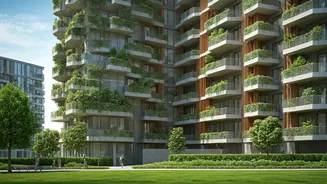
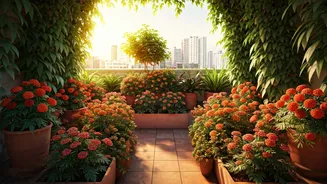
What does this look like in the real world? In some new developments, entire facades are draped in greenery, acting as natural insulation and air purifiers. In others, what would have been a parking lot is now a thriving urban farm that supplies a CSA (Community Supported Agriculture) program for the building’s residents. Retrofitted older buildings are turning unused rooftops into social spaces complete with fire pits, outdoor kitchens, and plots for gardening. Some apartment complexes are organizing community composting programs, providing bike repair stations, and hosting workshops on everything from pickling to furniture repair. This isn't about rejecting the city; it's about reimagining it. The ultimate vision is an urban environment that doesn’t force a choice between the dynamism of city life and the restorative qualities of nature, but instead thoughtfully integrates the two.