








The New Non-Negotiable
For generations, weather was a secondary travel concern. You’d check the 10-day forecast before packing, throw in a raincoat, and hope for the best. That era is over. Weather-led planning is the new travel 'adulting'—a shift from wishful thinking to strategic
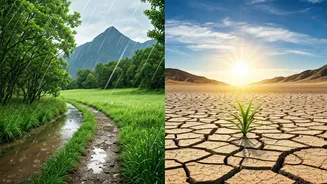
foresight. It means treating long-term climate patterns, seasonal risks, and potential for extreme events not as an afterthought, but as a core part of your decision-making process. This isn't about the fear of a ruined beach day. It’s about realistically assessing the risk of wildfires, hurricanes, atmospheric rivers, or debilitating heatwaves that can cancel flights, force evacuations, and turn a dream vacation into a logistical nightmare.
Why Now? From Inconvenience to Hazard
The travel landscape has fundamentally changed. Summer in southern Europe is no longer a guaranteed paradise; it can be a punishing trial by heat, with temperatures soaring well above 100°F and forcing tourist sites to close. The Caribbean's idyllic image is now permanently asterisked by an increasingly volatile and unpredictable hurricane season. In the American West, 'wildfire season' has become a year-round threat that can choke the air with smoke and shut down access to national parks. We’ve moved past simple inconveniences. These are systemic, climate-driven shifts that make booking a trip a year in advance without considering environmental volatility a significant gamble. The 'bad luck' of getting a rainy week has been replaced by the foreseeable risk of a climate-related disruption.
Embrace the Shoulder Season
The most powerful tool for the modern traveler is the 'shoulder season'—the weeks or months just before and after a destination’s peak season. For years, this was a budget traveler’s hack. Today, it’s a core strategy for a better trip. Think of Italy in May or October instead of scorching August. Or consider the Caribbean in early December, after hurricane season has passed but before the holiday crowds descend. The benefits are threefold: the weather is often far more pleasant and stable, the crowds are thinner, and prices for flights and accommodations are typically lower. By shifting your travel window, you're not 'settling' for a less-than-ideal time; you are actively choosing a smarter, more comfortable, and more resilient vacation period.
Upgrade Your Planning Toolkit
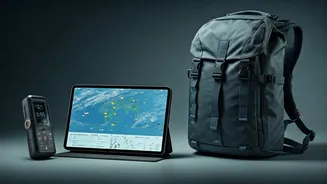
Responsible travel planning now requires more than just a booking website. Start by consulting long-range climate data from resources like the National Oceanic and Atmospheric Administration (NOAA) to understand typical conditions for your target month, not just for that week. Next, travel insurance has become non-negotiable. But not all policies are created equal. Standard policies may not cover you if you simply want to cancel due to an ominous forecast. Look for 'Cancel For Any Reason' (CFAR) upgrades. While more expensive, a CFAR policy allows you to recoup a significant portion of your pre-paid costs if you get cold feet, whether it’s due to a looming hurricane or a forecast of relentless smoke. Think of it less as an expense and more as an investment in your own peace of mind.
Rethink Your Destination Wish List
The final step in weather-led planning is a mindset shift. Instead of locking onto a single destination at a specific time (e.g., “Maui in August”), think in terms of experiences. If your goal is a relaxing beach vacation in late summer, your options might now include destinations further north or in a different hemisphere that are less prone to extreme heat or storms. If you want to hike, maybe a mountain range in New England or Canada is a safer bet than the fire-prone West during peak season. This approach encourages flexibility and discovery. It opens up a world of destinations that may have been overlooked in the past but are now perfectly suited to our new climate reality. The perfect trip is no longer just about where you go, but when—and why.