






The Power of a Passport
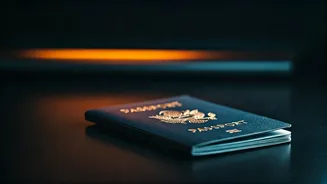
What makes one passport more “powerful” than another? The answer is simple: visa-free access. Global mobility firm Henley & Partners has been tracking this for years with its Henley Passport Index, the industry-standard ranking of all the world's passports.
The index measures how many destinations a passport holder can visit without needing to secure a visa in advance. A higher score means less paperwork, fewer embassy appointments, and more spontaneous travel opportunities. For travelers, it’s the difference between a bureaucratic nightmare of applications and fees, and the freedom to simply book a flight and go. For nations, it's a powerful barometer of their global standing and diplomatic relationships.
India's Upward Trajectory
While top spots on the index are dominated by countries like Singapore, Japan, and European nations offering access to nearly 200 destinations, India has been making its own quiet but significant progress. In early 2024, the Indian passport secured a ranking around the 80th mark, granting its holders visa-free or visa-on-arrival access to 62 countries. Though this number may seem modest compared to the leaders, it represents a meaningful improvement over the past decade. The list of accessible countries now includes popular tourist destinations in Asia, Africa, and the Caribbean, such as Thailand, Mauritius, Sri Lanka, and Kenya. This gradual climb reflects a concerted diplomatic effort by India to build stronger bilateral ties and project a more confident global image.
From Bureaucracy to Beaches
This isn’t just a numbers game; it has a profound real-world impact on India's burgeoning middle class. The traditional visa process for many Western countries can be arduous and expensive, involving extensive documentation, proof of funds, and in-person interviews with no guarantee of success. This barrier often puts dream vacations or business trips out of reach. By expanding its list of visa-free partners, India is unlocking a new world of possibilities. For a family in Mumbai, a trip to Thailand is no longer a month-long planning ordeal but a spontaneous holiday. For a startup founder in Bangalore, a business trip to a partner country in Africa is now far more feasible. This newfound freedom is fueling a boom in outbound tourism and empowering a new generation of Indian travelers.
More Than Just Vacation
A stronger passport is a powerful symbol of a nation's soft power and economic health. When other countries grant visa-free access, it’s a vote of confidence. It signals that the passport holder's home country is seen as economically stable and a reliable international partner. For India, this rising passport power runs parallel to its story of economic growth and its increasing role in global geopolitics. As India solidifies its position as a major world economy, its citizens are viewed less as potential immigration risks and more as valuable tourists, investors, and business partners. The passport, in this sense, is a reflection of the nation's brand on the world stage—and India's is getting stronger.
Why This Matters in the U.S.
This trend has clear implications for the United States. The Indian-American community is one of the most successful and fastest-growing diaspora groups in the country, maintaining strong ties to their country of origin. Easier travel makes it simpler for families to connect and for cultural exchange to flourish. Furthermore, as Indian citizens find it easier to travel globally, they become a more significant demographic for the international tourism market, including for the U.S. While a visa is still required for Indian citizens to visit America, the overall trend of a more mobile and affluent Indian traveler presents a massive opportunity for the U.S. travel and hospitality industries. It’s a clear signal that the next wave of global tourism will be significantly shaped by the aspirations of Indian travelers.