




The High Cost of the Grocery Aisle
For decades, the path to success for a new food brand was clear, if brutally difficult: get into grocery stores. This meant convincing a handful of powerful retail buyers to give you shelf space. The process involves paying steep “slotting fees” just
to get placed, funding expensive in-store promotions, and competing against thousands of other products under harsh fluorescent lights. A failed launch could bankrupt a company overnight. The digital age promised an alternative with direct-to-consumer (DTC) sales, but that path has also become prohibitively expensive. The cost of social media ads has skyrocketed, turning what was once a democratic playing field into a high-stakes bidding war. For a new hot sauce or artisanal snack company, spending tens of thousands on Instagram ads before making a single sale is a massive gamble. This challenging landscape has forced a new generation of entrepreneurs to get creative and go back to basics: meeting their customers face-to-face.
Selling a Story, Not Just a Product
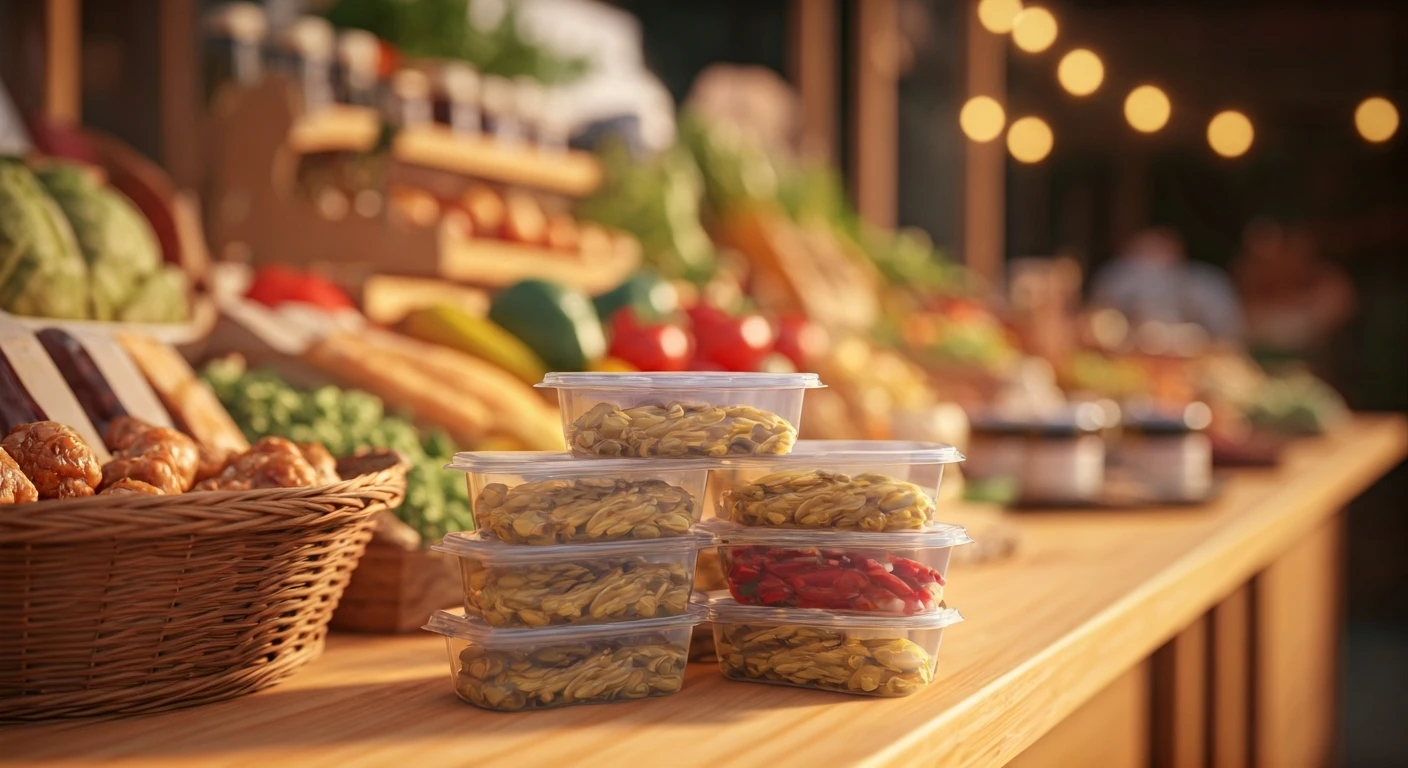
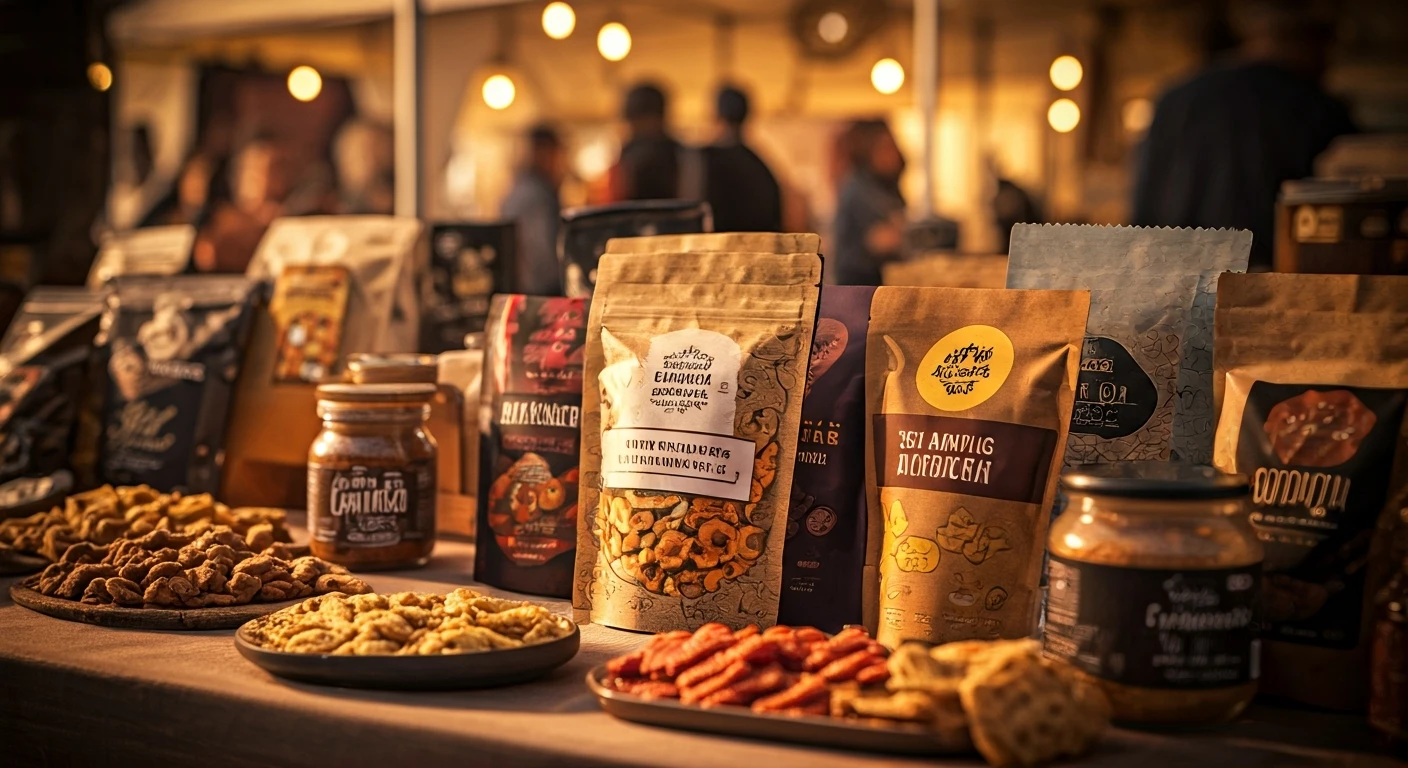
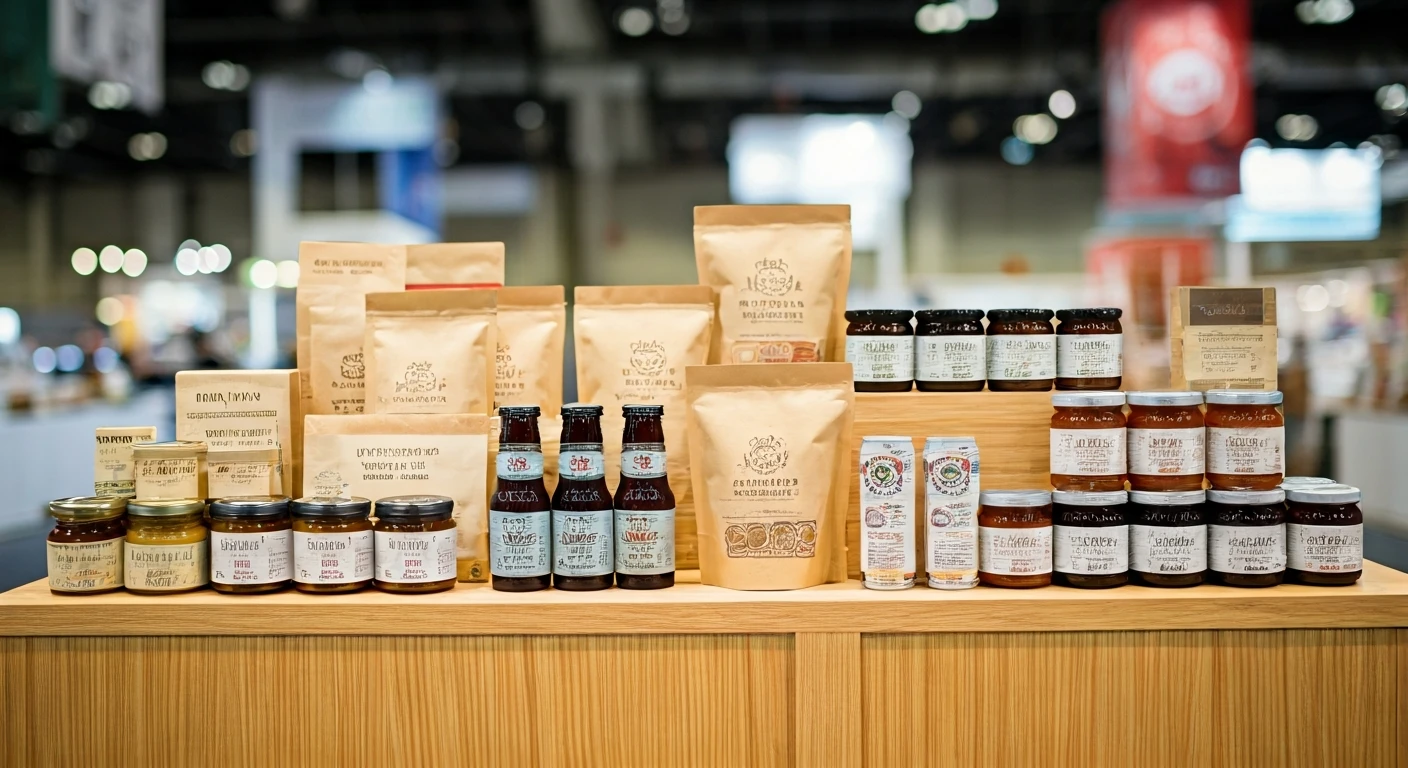
Today’s consumers, particularly Millennials and Gen Z, aren't just buying a product; they're buying a story, an experience, and a connection to the founder. This is where events shine. At a food fair like Smorgasburg in New York or a local farmers' market, a founder can personally hand a potential customer a sample. They can explain the origin of their grandmother’s recipe, detail their commitment to sustainable sourcing, or simply share their passion with infectious enthusiasm. This interaction transforms a simple transaction into a memorable moment. The customer doesn’t just walk away with a jar of salsa; they walk away with a story they can tell their friends. This authentic connection is nearly impossible to replicate through a digital ad or a package sitting on a shelf. Brands like Fly By Jing, now a household name for its Sichuan chili crisp, famously started with founder Jing Gao hosting sought-after private dinners and pop-ups. The product was great, but the initial buzz was built on the exclusive, in-person experience she created.
The World's Best (and Cheapest) Focus Group
Beyond marketing, events serve as an invaluable, real-time research and development lab. Instead of spending a fortune on formal focus groups, a startup can get immediate, unfiltered feedback from hundreds of people in a single afternoon. Is the new flavor too spicy? Is the packaging confusing? Is the price point right? A customer’s candid reaction after tasting a sample is more honest and useful than a dozen market research surveys. This direct feedback loop allows young brands to iterate and perfect their product before attempting a larger, more expensive rollout. They can test different branding messages, experiment with pricing, and see which demographics gravitate toward their product. Furthermore, these events are content goldmines. A line of eager customers, a vibrant market stall, and happy faces enjoying the food provide endless authentic material for social media, building online buzz that mirrors the offline excitement.
Building a Community Before Building a Company
The most successful of these event-first brands aren’t just acquiring customers; they’re building a community. The first 100 people who discover a new brand at a pop-up become its most powerful evangelists. They feel a sense of ownership and discovery, eagerly telling their friends and followers that they found this amazing new thing “before it was cool.” This initial tribe of superfans provides the critical momentum needed to grow. This strategy is about playing the long game. Instead of a massive, splashy launch that quickly fades, these startups build a durable foundation of loyalists. When they finally do launch in retail stores or expand their online presence, they aren't starting from zero. They are launching to an audience that is already waiting, excited to see a favorite local brand make it to the big time. It's a slower, more deliberate path to growth, but it often results in a more resilient and beloved brand.