
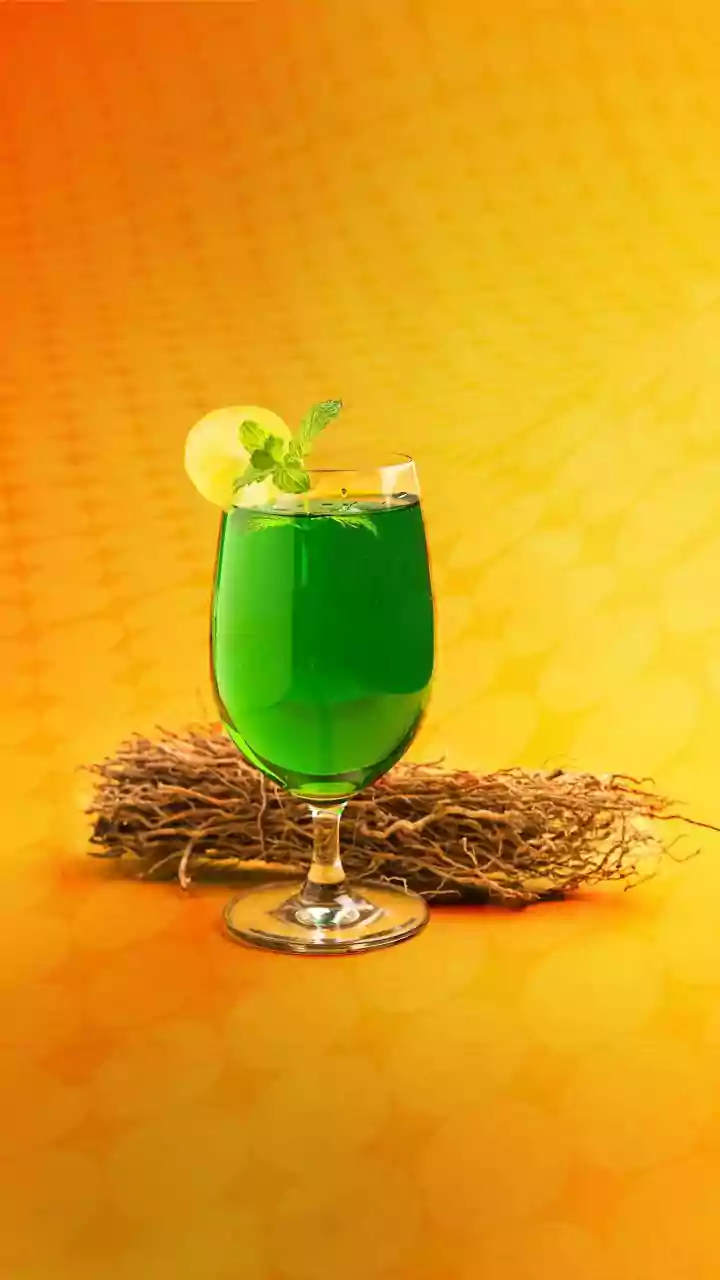
From Comfort Food to Center Stage
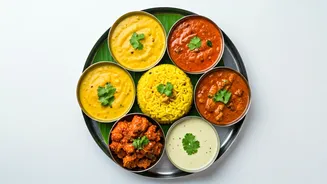
For decades, the American perception of Indian desserts was largely limited to the sweet, syrupy staples found at the end of a lunch buffet line: a warm gulab jamun, a scoop of pistachio kulfi, or a simple rice pudding (kheer). They were comforting and
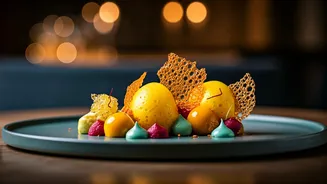
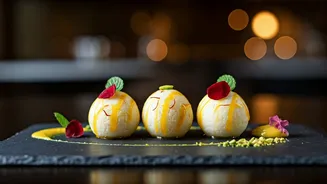
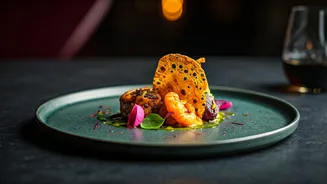
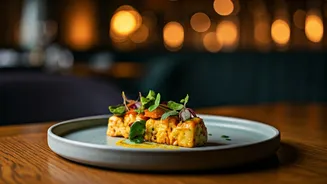
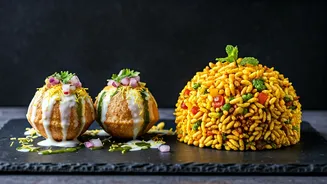
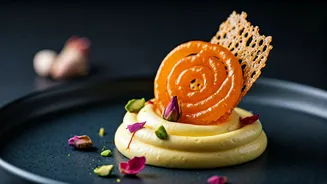
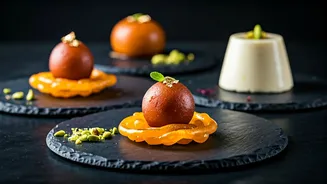
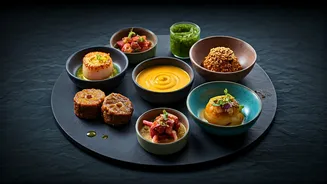
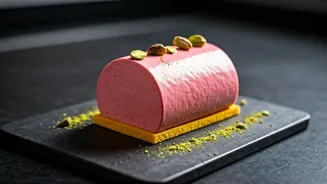
traditional, but rarely seen as sophisticated. That’s rapidly changing. A new generation of chefs is taking these beloved classics and placing them firmly in the world of haute cuisine. At upscale restaurants in New York, Washington D.C., and Miami, you’ll now find desserts that use the soul of a Desi sweet as a jumping-off point for something entirely new. Think less about a simple milk-solid ball soaked in syrup and more about a gulab jamun cheesecake with a saffron-scented crust, or a jalebi reinvented as a crispy, delicate spiral alongside rhubarb compote. This isn’t about just putting an old favorite on a fancier plate; it’s a fundamental reimagining of flavor, texture, and presentation.
The Chefs Driving the Change
This movement is being led by a class of highly skilled chefs who straddle two worlds. Many, like Chintan Pandya of New York's Dhamaka and Semma, or the late Floyd Cardoz, are formally trained in Western culinary techniques but possess a deep, personal connection to South Asian flavors. They aren't bound by a rigid adherence to 'authenticity.' Instead, they ask creative questions: What if ras malai, traditionally soft cheese patties in clotted cream, was deconstructed into its component flavors and presented as a delicate panna cotta? What if the gritty, satisfying texture of besan laddu was refined into a smooth, elegant tart filling? For these chefs, it's a form of creative expression and cultural assertion. They are using their platforms to show that the flavor profiles of cardamom, saffron, rosewater, and jaggery are as complex and worthy of fine-dining exploration as French vanilla or Belgian chocolate. They are moving the conversation beyond chicken tikka masala and proving the depth and breadth of the subcontinent's culinary heritage.
More Than Just a Trend
So, why is this happening now? The word 'again' in the headline is key. There was a fusion boom in the 90s, but it often felt like a superficial mashing of cultures. Today's movement feels different—more confident and ingredient-driven. Several factors are at play. American diners are more adventurous than ever, thanks to travel, food television, and social media. An Instagram-worthy dessert, like a shimmering, artfully plated falooda, can generate as much buzz as any main course. There's also a powerful cultural component. As the South Asian diaspora has become more prominent in American life, so has its cultural confidence. Chefs and diners alike are eager to celebrate this heritage, not as something 'ethnic' or exotic, but as a vital part of the modern American culinary fabric. This isn't about assimilating flavors to make them palatable; it's about celebrating them on their own terms, in the most elevated setting possible.
The Art of Reinterpretation
The 'romanticising' is in the technique. Chefs are applying classic French pastry methods or modernist kitchen science to these homespun sweets. A simple carrot halwa might be transformed into a delicate terrine served with carrot-top foam. Kulfi, the dense, slow-melting Indian ice cream, might be served as a semifreddo paired with seasonal American fruit, like figs or peaches. This process isn't without its critics. Some worry that in the quest for refinement, the rustic, comforting soul of the original dessert gets lost. It’s a delicate balance: honoring the memory and flavor of a dish that a billion people know and love, while pushing it into a new, exciting form. The most successful dishes manage to evoke the nostalgia of the original while still surprising the palate with something new.