




Why Rain Magnifies the Risk
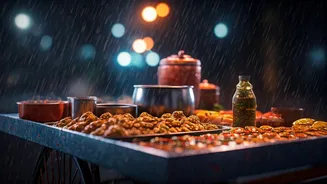
It’s not just about getting a little wet. The persistent dampness and high humidity of a monsoon or a very rainy, hot summer create an ideal breeding ground for bacteria like E. coli, Salmonella, and Listeria. Food that might be perfectly safe on a dry
day can spoil much faster. More importantly, heavy rains can lead to flooding and water-logging, which contaminates the municipal water supply. This contaminated water can easily find its way into food preparation—from washing vegetables to making ice for drinks or being mixed into sauces and chutneys.
The Vendor and Stall Checklist
Before you even look at the food, assess the environment. A few visual cues can tell you a lot about a vendor's hygiene standards. Is the cart clean and well-organized? Are they located away from overflowing drains or piles of garbage? Flies are a major red flag, as they transfer filth directly onto food. Also, observe the vendor's practices. Are they using separate utensils for raw and cooked items? Do they handle money and then touch food without washing their hands? A reputable vendor will often have a system, using gloves or having a separate person to handle cash. A high turnover of customers is generally a good sign, as it means food isn't sitting around for long.
Choose Hot, Fresh, and Simple
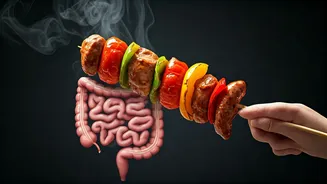
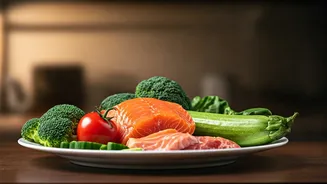
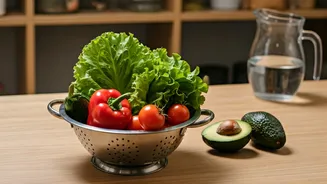
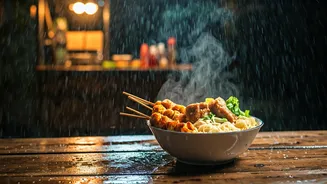
Your safest bet is always food that is cooked to order, right in front of you, and served piping hot. The high heat kills most harmful bacteria. This makes items like freshly grilled kebabs, hot soups, or deep-fried snacks a much better choice than things that have been pre-prepared and are sitting out at room temperature. Be especially wary of anything with pre-cut fruits or raw vegetables, like salads or complex sandwiches. These items are often rinsed with tap water and offer countless surfaces for bacteria to grow on, especially in humid conditions. Peel-it-yourself fruits like bananas or oranges are a much safer alternative if you’re craving something fresh.
Beware of Water, Ice, and Sauces
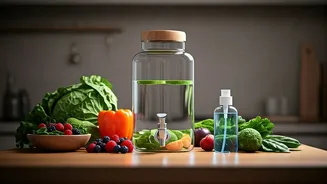
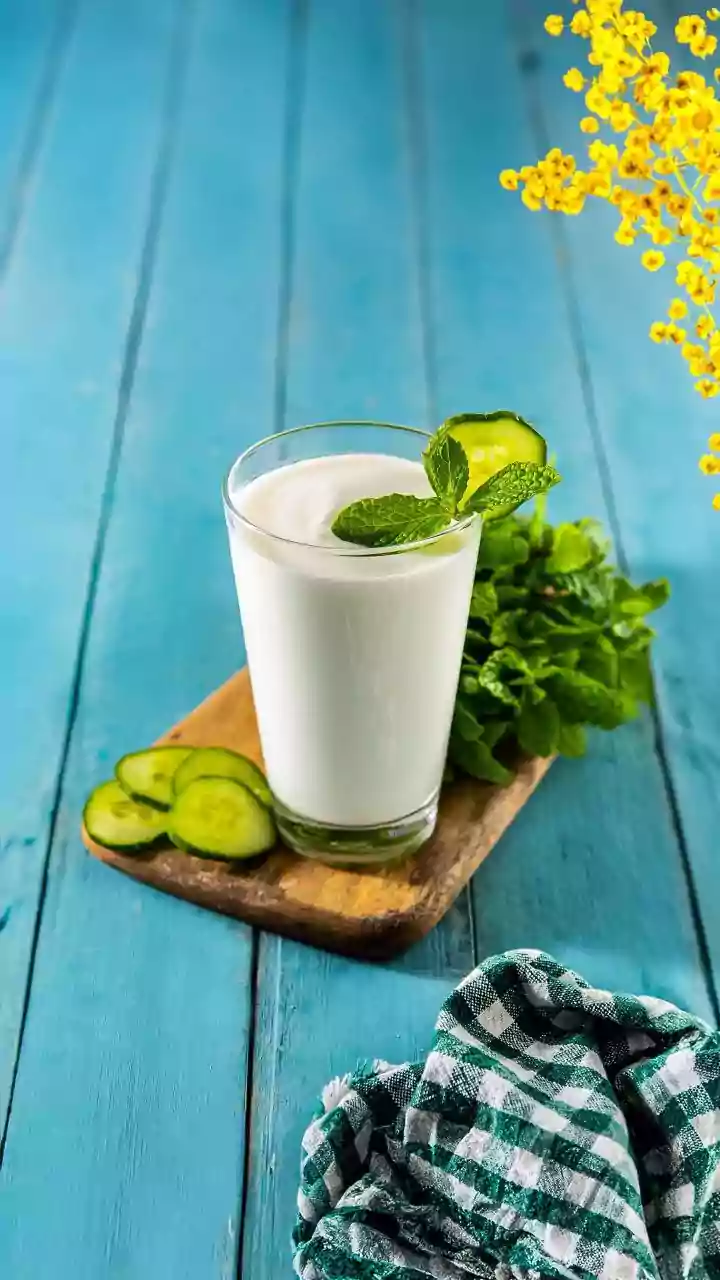
One of the biggest culprits for traveler's sickness is contaminated water. During periods of heavy rain, this risk skyrockets. Politely refuse any drinks with ice unless you are absolutely certain it was made from filtered or bottled water. This also applies to freshly squeezed juices or shakes that may have water or ice blended in. Likewise, be cautious with chutneys, dips, and sauces, especially the fresh, watery ones. They are often prepared in batches using tap water and can sit out for hours. Opt for sealed, bottled sauces when possible, or skip them altogether if the stall’s hygiene seems questionable.
Your Role in Staying Healthy
Food safety isn’t just the vendor’s responsibility; it’s yours, too. Your hands are a primary vehicle for transferring germs. Carry a small bottle of alcohol-based hand sanitizer and use it generously before you eat, especially after handling money or touching public surfaces. If you can, wash your hands with soap and clean water. This simple step can dramatically reduce your risk of getting sick. Eating with freshly cleaned hands ensures that you aren’t introducing new contaminants to your otherwise safely prepared meal.