




1. The Prices Are Dramatically Lower
Let’s start with the most compelling argument for your wallet. Peak season is a simple game of supply and demand. When everyone wants to go, prices for flights and hotels soar. But the moment the forecast shifts to “rainy,” demand plummets, and a destination
suddenly becomes a bargain hunter's dream. We're not talking about a minor discount; it's common to see accommodation prices drop by 30-50%. That five-star resort that felt out of reach? It might be perfectly affordable in the off-season. The same goes for flights, tours, and even meals. Your travel budget suddenly stretches further, allowing for a longer stay, a room upgrade, or more unique experiences that would have been too costly during the high-season frenzy.
2. You Get Famous Places to Yourself
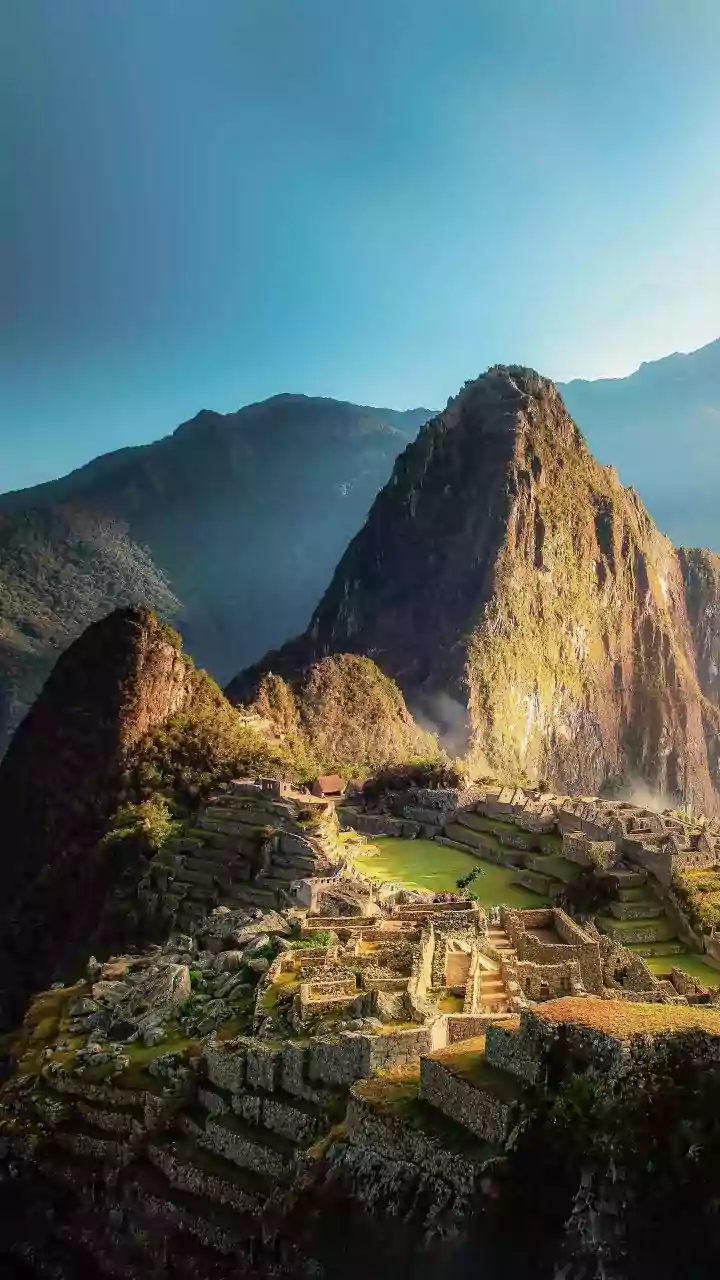
Picture Angkor Wat at sunrise. In January, it's a sea of smartphones vying for the perfect shot. In July, during the green season, you might share that same view with only a handful of others. The same is true for the once-secluded beaches of Thailand, the ancient ruins of Costa Rica, or the charming streets of a European city in its shoulder season. The dreaded tourist horde thins out dramatically during monsoon season. This isn't just about avoiding lines; it's about reclaiming the magic of a place. You can experience iconic landmarks with a sense of peace and intimacy that’s simply impossible when you’re elbow-to-elbow with thousands of other visitors. It’s the difference between seeing a place and truly connecting with it.
3. The Scenery Is More Spectacular
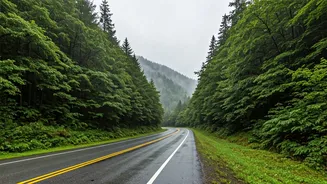
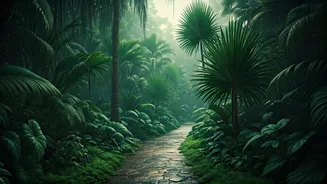
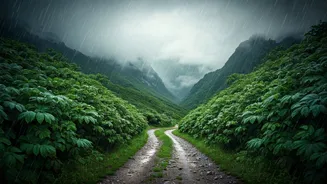
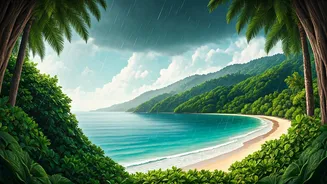
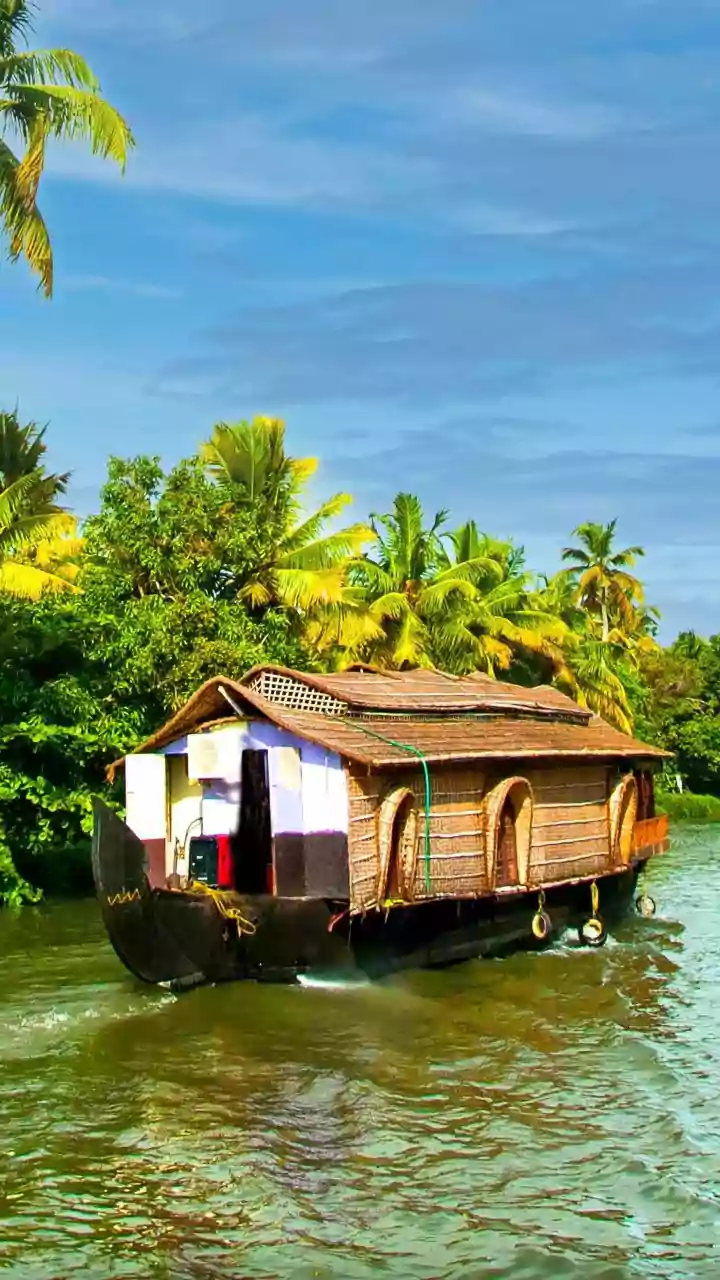
The term “rainy season” is poor marketing. A better name would be the “green season” or “waterfall season.” Months of dry heat can leave landscapes looking tired and dusty. But with the rains come an explosion of life. Hillsides turn a shocking, vibrant green. Waterfalls that were mere trickles in the dry season become thundering cascades. The air is washed clean of dust, making colors pop and skies appear more dramatic. The clouds themselves become part of the show, creating breathtaking sunsets and moody, atmospheric landscapes perfect for photography. A brief, powerful downpour followed by brilliant sunshine is a spectacle in itself. You're not just seeing a destination; you're seeing it in its most lush and dynamic state.
4. The Rain Isn't What You Think
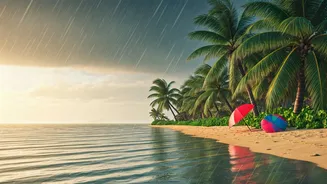
The biggest misconception about monsoon travel is the idea of a week-long, non-stop deluge that keeps you trapped indoors. While this can happen, it’s not the norm in most popular travel destinations. A more typical pattern, especially in tropical regions like Southeast Asia or Central America, involves clear, sunny mornings followed by a predictable, intense downpour for an hour or two in the afternoon. This rhythm is surprisingly easy to plan around. You explore in the morning, then take a cue from the locals: retreat to a covered cafe for a coffee, enjoy a long lunch, take a nap, or get a massage while the rain passes. The storm cools the air, and by late afternoon, you're ready to head out again into a refreshed world.
5. It’s a More Authentic Experience
When the crowds leave, a destination reverts to its normal rhythm. The high-season economy of tourist-trap restaurants and souvenir hawkers recedes, and you get a clearer glimpse of local life. You’re more likely to share a cafe with residents than with other travelers. The pace is slower, more relaxed. People often have more time to chat. There’s a certain camaraderie in huddling under an awning during a downpour. This is the time to take a cooking class, visit an indoor market, or explore a museum without the rush. You’re forced to slow down and engage with the culture on a deeper level, creating memories that go beyond a simple checklist of sights.