







The 7-Kilo Gauntlet
To understand this trend, you first need to understand the economics of domestic travel in India. The country's skies are dominated by ultra-competitive budget airlines like IndiGo, SpiceJet, and Akasa Air. Their business model, much like Spirit or Ryanair
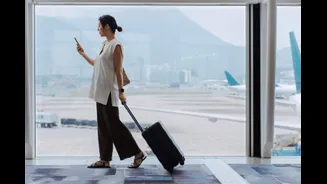
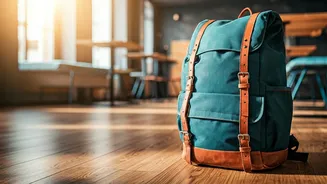
in the West, is built on unbundling. The base fare gets you a seat, and not much else. The biggest hurdle for travelers is the notoriously strict cabin baggage allowance, which is often a non-negotiable 7 kilograms (about 15.4 pounds). Checked baggage, meanwhile, comes with hefty fees that can sometimes rival the cost of the flight itself. This isn't a gentle suggestion; it's a hard limit enforced with weigh-ins at check-in and again at the gate. For millions of new flyers from India’s burgeoning middle class, avoiding these fees isn’t just a preference—it’s a financial necessity. The “minimalist packing challenge” was born not out of a philosophical movement but out of a practical, pocketbook-driven reality. Learning to fit a week’s worth of clothes, toiletries, and electronics into a single, 7kg backpack has become a crucial travel skill and a point of pride.
A New Kind of Traveler Emerges
This trend is being championed by a new demographic: India's millennials and Gen Z. Unlike previous generations, who often traveled in large family groups with luggage to match, these younger travelers are more likely to be flying solo, with a partner, or with a small group of friends. They are digitally native, globally aware, and, most importantly, they prioritize experiences over possessions. They would rather spend their money on a unique local meal, a scuba diving trip in the Andaman Islands, or a boutique hotel stay than on checking in an extra suitcase.
This marks a significant cultural departure from traditional Indian travel, which often involved packing for every conceivable contingency and bringing back elaborate gifts and souvenirs for an entire extended family. The new minimalist ethos says, “The memories are the souvenir.” This generation grew up watching global travel vloggers on YouTube and sees mobility, flexibility, and freedom as the ultimate luxuries. Being weighed down by heavy bags is, both literally and figuratively, the opposite of that ideal.
The Social Media Showcase
What turns a practical necessity into a full-blown cultural “obsession” is social media. Packing isn't just something you do before a trip; it's content. On YouTube and Instagram, Indian travel influencers have turned the 7kg challenge into an art form. You'll find countless videos titled “How to Pack for 10 Days in One Backpack,” “My 7kg Leh-Ladakh Packing List,” or “The Ultimate One-Bag Travel Guide.”
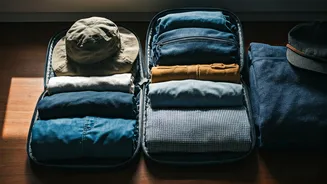
These creators meticulously lay out their chosen gear—quick-dry fabrics, solid toiletries, packing cubes, and multi-purpose gadgets. The comment sections are filled with followers asking for advice and sharing their own tips. It has gamified the experience. It's no longer a chore but a puzzle to be solved and a success to be shared. Posting a picture of your single, compact backpack against a stunning mountain backdrop in Himachal or a Goan beach sunset is a status symbol. It broadcasts that you are a savvy, modern, and resourceful traveler who has mastered the game.
More Than Just Packing Light
Ultimately, the fascination with minimalist packing is about more than just dodging airline fees. It’s a reflection of a changing India. It represents a generation that is more individualistic, economically pragmatic, and connected to global trends than any before it. They are embracing a travel style that is nimble and adaptable, allowing them to explore their own vast and diverse country—from the Himalayas to the backwaters of Kerala—on their own terms.
For the U.S. traveler accustomed to generous baggage allowances on domestic flights or the limitless capacity of a family road trip, this intense focus on every ounce might seem extreme. But in the context of modern India, it’s a perfectly logical, even aspirational, response. It’s a quiet revolution happening in backpacks and carry-ons across the subcontinent, signaling a shift in how a billion people are beginning to see the world.