






The Promise of a Pedestrian Street
The first surprise for many visitors to an Indian city is what they find—or rather, don’t find—on Gangtok’s main artery, M.G. Marg. There are no honking cars, no rickshaws jostling for position, no sacred cows wandering into traffic. Instead, you find a clean,
wide, pedestrian-only boulevard lined with Victorian-style lamps, benches, and blooming flower beds. It’s the city’s living room, where locals and tourists alike stroll, shop, and sip coffee. This meticulously planned space feels more like a European mountain town than a chaotic subcontinental hub. It’s the polished face of modern Sikkim, a state celebrated for its cleanliness, ban on plastic bags, and embrace of organic farming. This is the “heat” of progress: a vibrant, orderly, and aspirational energy that draws people in, promising a better, cleaner way of life in the mountains.
Echoes of a Himalayan Kingdom
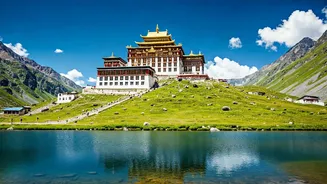
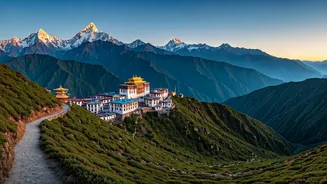
Venture just beyond the curated perfection of M.G. Marg, and you find the city’s deeper, older soul—the “mountain chill.” Gangtok is the capital of Sikkim, a former independent Buddhist kingdom that joined India in 1975. Its unique history is everywhere. A short drive away, the magnificent Rumtek Monastery, a key center of Tibetan Buddhism, sits in serene contemplation. In the city itself, the Namgyal Institute of Tibetology houses a stunning collection of ancient artifacts, thangkas, and manuscripts, preserving a culture that has been under threat elsewhere. Prayer flags flutter from rooftops, and the gentle scent of incense drifts from small temples tucked into side streets. This is the Gangtok that whispers of a different time, a place of deep spirituality and cultural resilience, rooted in the high-altitude landscape and its centuries-old connection to Tibet.
The Double-Edged Tourist Boom
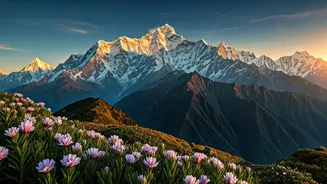
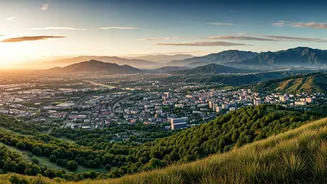
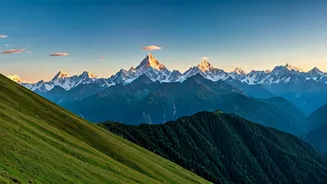
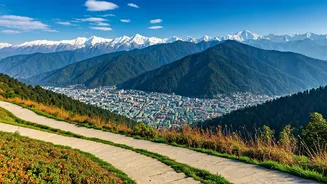
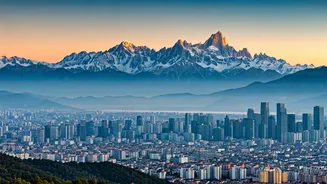
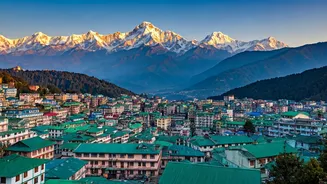
The city’s central balancing act is tourism. The very things that make Gangtok so appealing—its cleanliness, safety, and breathtaking views of Kanchenjunga, the world's third-highest peak—are fueling a development boom that threatens to overwhelm it. The “heat” is on in the form of rampant hotel construction, endless traffic snarls on the narrow mountain roads leading into the city, and a strain on precious resources like water. For a state that prides itself on environmentalism, the paradox is sharp. Tourism provides essential income and jobs, but it also brings concrete, crowds, and a cultural commodification that can dilute the very authenticity visitors seek. The challenge for Gangtok is managing this influx without losing the serene “chill” that defines its character. It’s a struggle familiar to beautiful places everywhere, but it feels particularly acute here, at 5,400 feet, where the margin for error is slim.
A Climate on the Edge
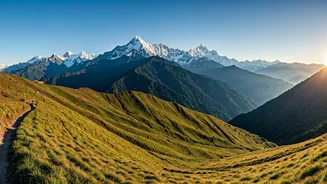
The tension between heat and chill is becoming dangerously literal. The Himalayas are a global climate change hotspot, warming faster than the global average. In Gangtok, this translates into more erratic weather patterns: intense, unseasonal rains that trigger landslides, and warmer winters that disrupt the delicate alpine ecosystem. The glaciers that feed the region’s rivers are retreating at an alarming rate, posing a long-term threat to water security for millions. For a city whose identity and economy are inextricably linked to its mountain environment, these changes are existential. The “mountain chill” is no longer a guaranteed constant but a fragile condition under threat. The struggle is no longer just about preserving culture but about preserving the physical environment that makes life here possible, forcing Gangtok to confront a global crisis on its own steep slopes.