





The High Cost of Eating Well
Let’s start with the obvious: everything is expensive. But for Gen Z, who entered adulthood during a period of rampant inflation and wage stagnation, the sticker shock is particularly acute. The price of groceries has outpaced wage growth for years, turning
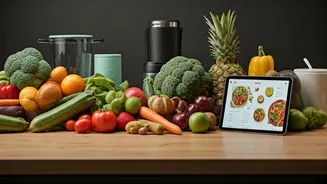
a routine trip to the supermarket into a careful balancing act. A carton of eggs, a staple protein, has seen wild price swings. Fresh produce, lean meats, and quality pantry items like extra-virgin olive oil now carry a premium that feels prohibitive. This isn't just about affording organic kale. It's about the basic building blocks of a flavorful, nutrient-dense diet becoming less accessible. When your budget is stretched thin by rent, student loans, and gas prices, the difference between a $7 bag of processed chicken nuggets and a $15 pack of free-range chicken breasts is not a small choice. The latter, which promises better flavor and ethical sourcing, is pushed into the category of a 'treat' or a 'splurge.' This economic reality is the foundation upon which the entire 'healthy food as luxury' mindset is built. It’s not that Gen Z doesn’t want to eat well; it's that the market has priced them out of doing so consistently.
Wellness as an Aesthetic
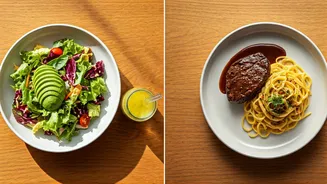
Beyond pure economics, social media has fundamentally changed our relationship with food. For Gen Z, food is not just fuel; it's content. A meal is an opportunity to perform wellness, success, and taste. The perfectly arranged Sweetgreen bowl, the dewy glow from Hailey Bieber’s $18 Strawberry Glaze Skin Smoothie, the artful drizzle of hot honey on avocado toast—these are not just meals, they are aesthetic statements broadcast to the world. Brands know this, marketing their products not just on nutritional benefits but on their visual appeal.
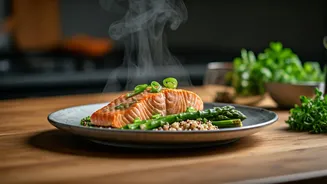
This 'Instagrammable health halo' creates a powerful feedback loop. The foods that look the best on camera are often the most expensive. They feature vibrant, fresh, and often exotic ingredients. The packaging is minimalist and chic. In this context, 'healthy' becomes synonymous with a certain high-end, curated lifestyle. A drab-looking (but perfectly nutritious) meal of beans and rice doesn’t have the same social currency as a colorful poke bowl. The luxury, then, is not just in the eating but in the posting. It’s the ability to participate in a visual culture where health and wealth are inextricably linked.
A Search for 'Clean' Ingredients
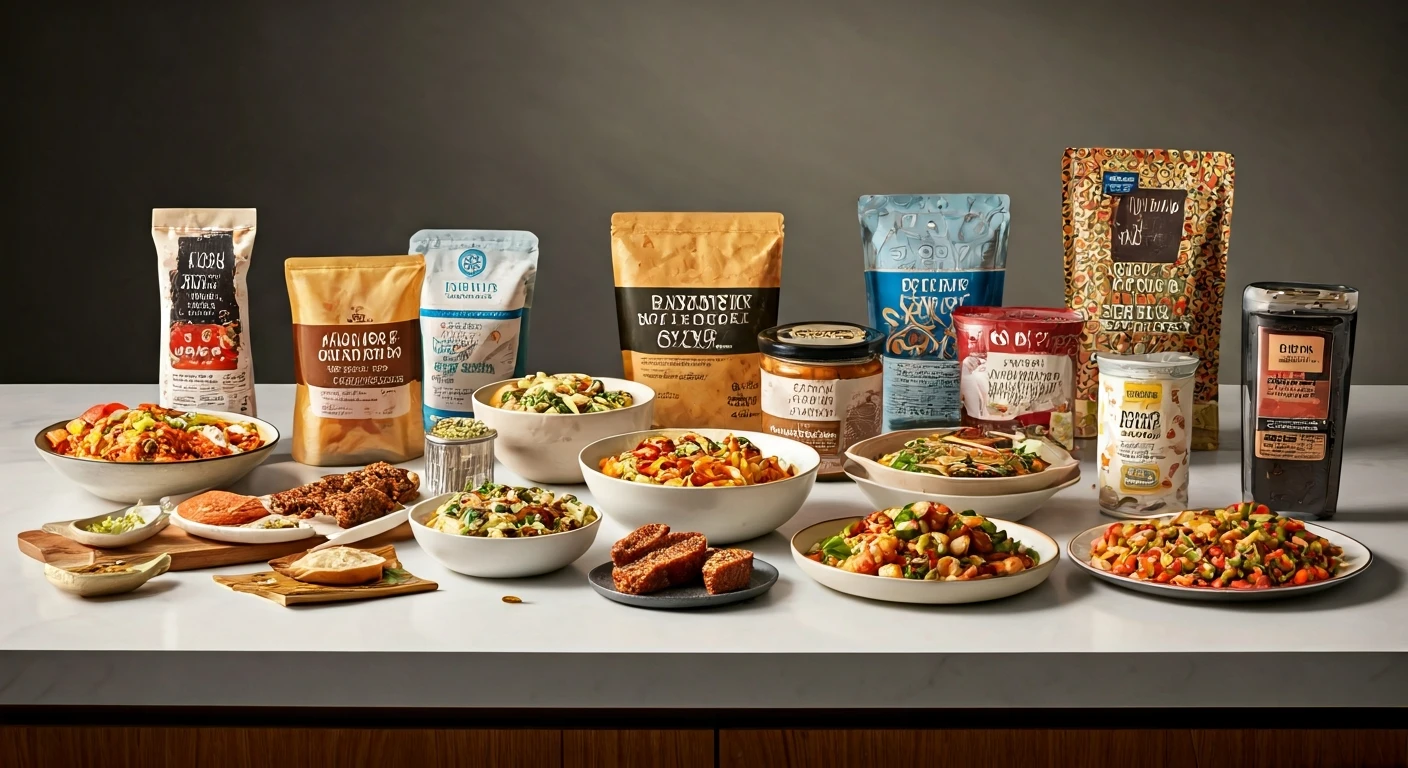
Gen Z is famously skeptical of large institutions, and Big Food is no exception. Growing up with a greater awareness of processed ingredients, complex food labels, and greenwashing, many younger consumers crave transparency and 'clean' products. They are wary of preservatives, artificial flavors, and long lists of unpronounceable chemicals. This has fueled a demand for foods that are organic, non-GMO, sustainably sourced, and made with simple, whole ingredients.
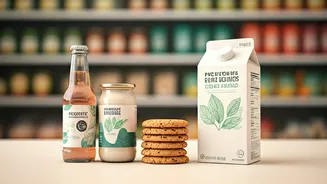
The problem? Trust costs money. A small-batch, artisanal granola using locally sourced oats and maple syrup will always cost more than a mass-produced box from a multinational corporation that leverages economies of scale. The 'flavorful' aspect of the headline is key here. Superior flavor often comes directly from higher-quality, fresher ingredients that haven't been engineered for a long shelf life. This quest for trustworthy, genuinely nutritious food leads directly to the premium shelf. The luxury is the peace of mind that comes from knowing what you’re putting in your body is, for lack of a better word, real.
The Convenience and Time Tax
Finally, we can't ignore the burnout factor. Many members of Gen Z are juggling side hustles, demanding entry-level jobs, and a packed social schedule, all while trying to maintain their mental and physical health. They are, in many ways, time-poor. The ultimate luxury in a fast-paced world is convenience.
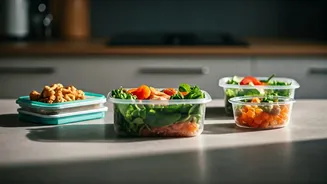
Preparing a healthy, flavorful meal from scratch takes time and energy—resources that are in short supply. It requires planning, shopping, chopping, cooking, and cleaning. The alternative is to pay the 'convenience tax.' This is the premium baked into a pre-made salad, a healthy meal delivery service, or a grab-and-go protein box. That $18 salad isn't just the cost of lettuce and chicken; it's the price of reclaiming an hour of your evening. For a generation primed for on-demand everything, paying a premium to outsource the labor of healthy eating feels less like an indulgence and more like a necessary survival tactic.