



The Unique Appeal of a Natural Material
Bamboo has moved far beyond its reputation as mere patio furniture material. In the world of interior design, it’s celebrated for bringing an organic, textural element into modern homes. Unlike cold metal or sterile plastic, bamboo lighting fixtures introduce
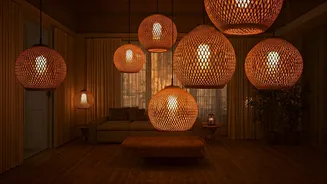
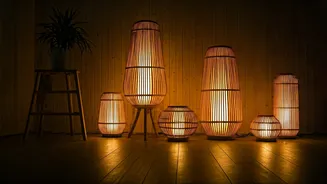
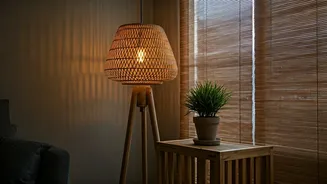
a touch of nature that immediately softens a space. The intricate weaves and natural variations in the material mean that no two fixtures are exactly alike, adding a bespoke quality to your decor. This aesthetic is rooted in design philosophies like Japandi and coastal modern, which prioritize natural materials, simplicity, and a connection to the outdoors. A woven bamboo pendant or lampshade doesn’t just illuminate a room; it acts as a sculptural element. During the day, it’s a piece of art. At night, it transforms, casting intricate patterns of light and shadow that add depth and character. This ability to blend sustainability—bamboo is a fast-growing, renewable resource—with high style makes it a compelling choice for the conscious consumer.
The Practical Perk: Moisture Resistance Explained
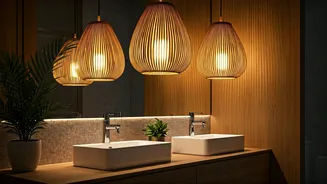
Here’s where bamboo truly shines, especially in traditionally tricky spaces. The headline feature, “moisture-resistant,” is a game-changer for rooms that contend with humidity. While not fully waterproof—you wouldn’t put one in a shower—many bamboo fixtures are treated or possess natural properties that allow them to thrive in damp environments where other materials might fail. This makes them an excellent choice for bathrooms, where they can add a spa-like tranquility, or kitchens, which often deal with steam from cooking. A bamboo pendant over a powder room vanity or a cluster of them above a kitchen island can unify a design while standing up to the environment. This resistance also extends to covered porches, sunrooms, and lanais. In these transitional indoor-outdoor spaces, a bamboo fixture can tie the interior decor to the natural world outside, all while resisting the effects of ambient humidity that could warp wood or rust metal.
How Bamboo Creates That Signature Warm Glow
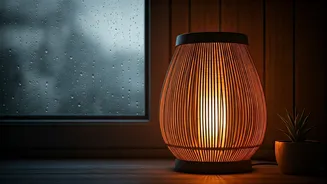
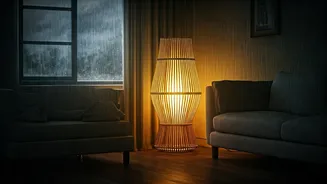
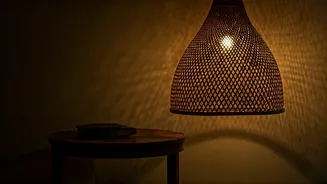
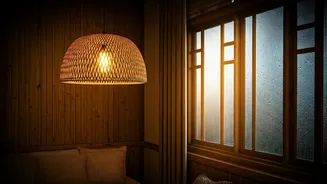
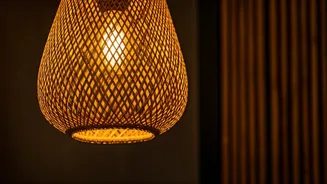
The “warm glow” isn’t just a pleasant phrase; it’s a direct result of the physics of light interacting with the material. Most overhead lighting is harsh and direct, casting sharp shadows and creating a clinical feel. A woven bamboo shade acts as a natural diffuser. As light from the bulb passes through the fine strips of bamboo, it is scattered and softened. This process mellows the light, filtering out harsh blue tones and emphasizing warmer, golden hues. The effect is an ambient glow that radiates outwards, filling the room with a comfortable, welcoming light that’s flattering to both people and interiors. It’s the kind of light that encourages you to relax and unwind. The density of the weave plays a crucial role here. A tighter weave will produce a more concentrated, moody downlight, while a looser, open weave will cast a broader, more diffuse radiance and more dramatic shadows on the surrounding walls and ceiling.
Tips for Choosing and Styling Your Fixture
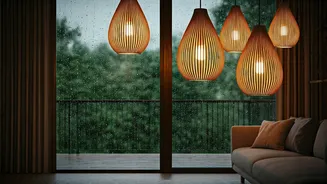
Bringing bamboo lighting into your home is simple, but a few considerations will ensure you get the perfect effect. First, consider scale. A common mistake is choosing a fixture that’s too small for the space. For a dining room table or a living room centerpiece, don’t be afraid to go big; a large pendant makes a confident statement. For smaller spaces like a hallway or reading nook, a more modest size will feel appropriate. Next, pay attention to the bulb. The fixture is only half the equation. To maximize the warm glow, choose a bulb with a “warm white” color temperature, typically rated between 2700K and 3000K. A clear Edison-style LED bulb can add a vintage touch, while a frosted bulb will provide a more even, diffuse light with less shadow play. Finally, think about placement. Over a dining table, the bottom of the fixture should hang about 30-36 inches above the surface. In a living room, ensure it’s high enough not to obstruct sightlines or get bumped into. And don’t be afraid to group them; a trio of smaller pendants at varying heights can create a stunning visual focus over a kitchen island or in a tall stairwell.