



1. Prepare Before the First Drop Falls
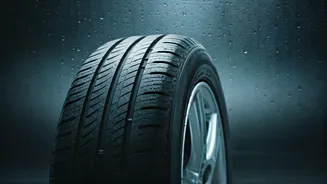
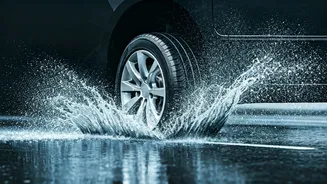
The smartest choices are made before you even turn the key. Your car’s three most critical safety components in the rain are its tires, wipers, and lights. Take ten minutes to inspect them. Check your tire tread by inserting a penny into the grooves with
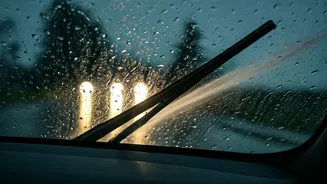
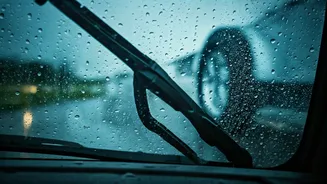
Lincoln’s head upside down; if you can see the top of his head, your treads are dangerously worn and won't channel water effectively. Next, check your windshield wipers. If they leave streaks or make chattering noises, replace them. A new set is an inexpensive investment in clear vision. Finally, walk around your car and ensure all your lights—headlights, taillights, and brake lights—are working. Being seen is just as important as seeing.
2. Recalibrate Your Speed and Following Distance
Everyone knows to “slow down” in the rain, but this advice is too generic to be useful. A smarter approach is to be specific. The Federal Highway Administration notes that wet pavement can reduce driver reaction times and vehicle control. The standard “three-second rule” for following distance is designed for ideal, dry conditions. In the rain, you should double that to at least five or six seconds. This gives you far more time to react to sudden stops or hazards. Reducing your speed isn't just about the speed limit; it's about driving at a pace that feels controlled and safe for the conditions, which is often significantly below the posted limit.
3. Know What to Do When You Hydroplane
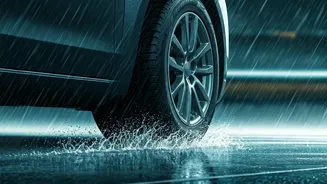
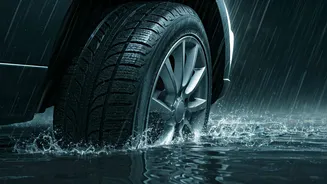
Hydroplaning is one of the most terrifying experiences a driver can have. It occurs when a layer of water builds up between your tires and the road surface, causing a complete loss of traction. It can happen at speeds as low as 35 mph if your tires are worn or the water is deep enough. The key is how you react. Your instinct will be to slam on the brakes or jerk the steering wheel. Do neither. Instead, ease your foot off the accelerator smoothly and steer straight ahead until your tires regain contact with the road. If you must turn, do so with small, gentle movements. Panicked, sudden inputs will only make the skid worse.
4. See and Be Seen: The Rules of Light
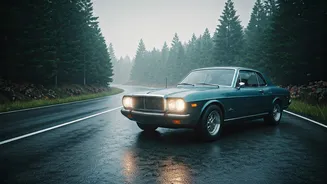
Reduced visibility is a leading cause of accidents in the rain. Many states have laws requiring headlights to be on whenever windshield wipers are in use—a wise rule to follow everywhere. This isn't just about helping you see the road; it's about making your vehicle visible to other drivers, especially in the gray, low-contrast light of a storm. However, never use your high beams. The bright light will reflect off the raindrops and create a wall of glare, further impairing your vision and blinding oncoming drivers. Also, be mindful of the spray kicked up by trucks and larger vehicles, which can temporarily blind you. Increase your following distance to stay out of their spray zone.
5. Turn Off Cruise Control
Cruise control is a fantastic tool for long, dry highway drives, but it becomes a significant liability in the rain. The system's job is to maintain a constant speed, and if your car begins to hydroplane, the cruise control will try to keep the tires spinning at the set speed. This can cause you to accelerate when you should be slowing down, worsening the situation and making it much harder to regain control. Manually controlling the accelerator allows you to feel the road through the pedals and react instantly to any loss of traction. Disengaging cruise control is a simple, proactive choice that keeps you in command.
6. Make the Smartest Choice of All: Don't Go
Sometimes, the best decision is to stay off the roads entirely. If the rain is torrential and visibility is near zero, or if local authorities have issued flash flood warnings, delaying your trip is the only responsible option. A flooded roadway can be catastrophically dangerous. According to the National Weather Service, it takes just six inches of moving water to knock you off your feet and only twelve inches to sweep a small car away. You can’t tell the depth of standing water, and it may be hiding washed-out sections of road. No appointment or errand is worth risking your life. If the weather is truly severe, wait it out.